


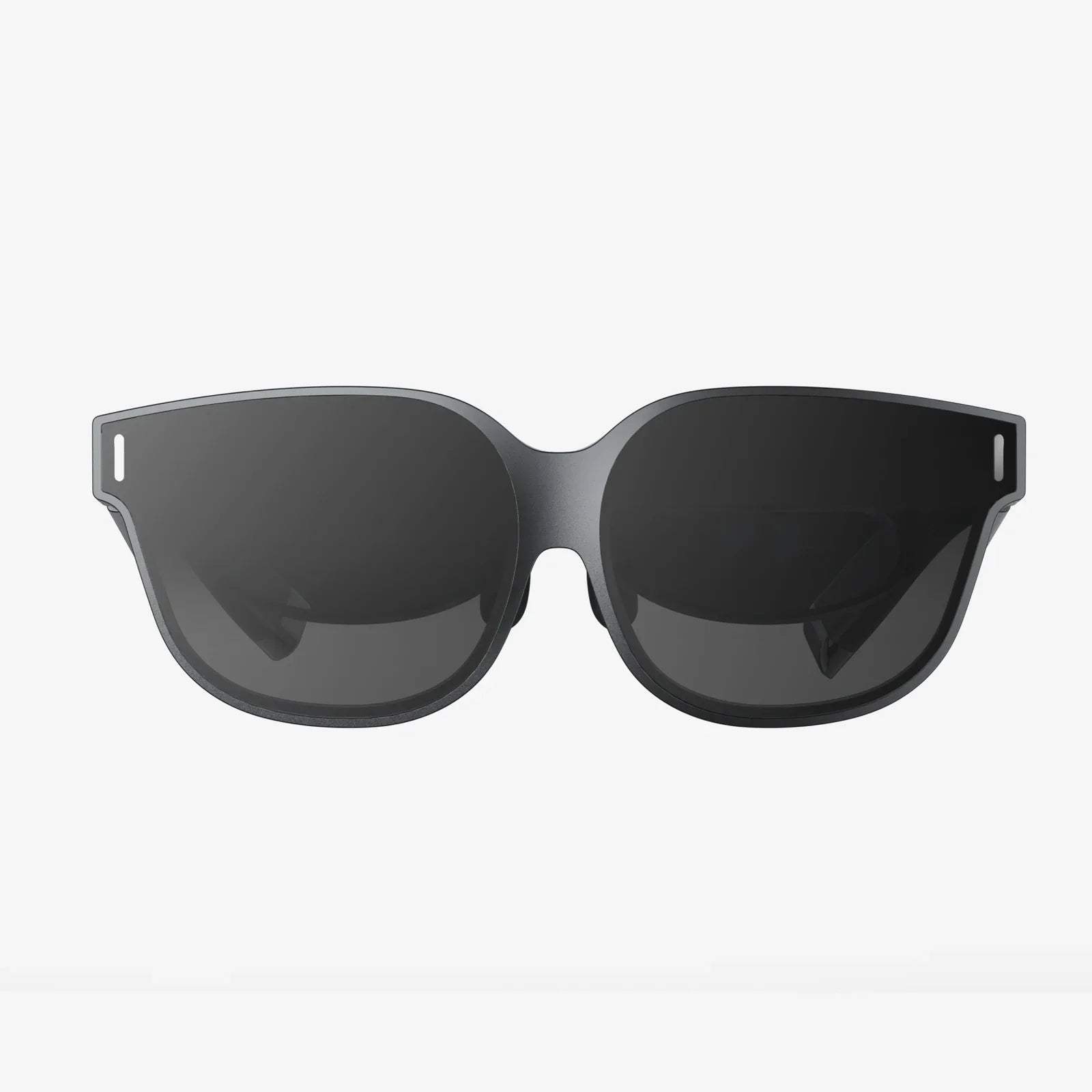
Imagine stepping through a portal into another world, feeling the presence of characters as if they stand right before you, and interacting with digital environments using your own hands. This is no longer the stuff of science fiction; it's the reality offered by today's top-tier virtual reality headsets. The quest for the best VR headset is a journey into the heart of immersive technology, a rapidly evolving landscape that promises to redefine entertainment, productivity, and human connection. But with so many options and technical jargon, how do you find the perfect gateway to these virtual realms? This definitive guide cuts through the noise, focusing on the core features, experiences, and considerations that truly matter, empowering you to make an informed decision without getting lost in marketing hype.
Defining the Virtual Reality Landscape
Before diving into specifications, it's crucial to understand the different categories of headsets available. The market is no longer monolithic; it has segmented into distinct tiers, each catering to different users and use cases.
PC-Connected Powerhouses
These headsets represent the pinnacle of virtual reality performance. They are tethered to a powerful desktop computer, which acts as the engine for rendering incredibly detailed and complex virtual worlds. The primary advantage of this category is raw power. By leveraging the advanced graphics processing units (GPUs) found in modern computers, these devices can deliver the highest resolutions, the smoothest frame rates, and the most visually stunning experiences available to consumers. They are the undisputed champions for hardcore gaming, professional simulation, and high-fidelity creative applications. The trade-off, of course, is the physical tether, which can limit freedom of movement, and the significant upfront cost of both the headset and the capable computer required to run it.
Standalone Freedom
Standalone headsets represent a revolution in accessibility and convenience. As the name implies, these are all-in-one devices. The computer, display, and tracking sensors are all integrated into the headset itself, requiring no wires to a PC or console. They are completely wireless, powered by a built-in battery, and ready to use anywhere you have a little space to move. This category has exploded in popularity because it removes the two biggest barriers to entry: high cost and technical complexity. Users can simply put on the headset and jump into an experience within seconds. While historically lagging behind tethered headsets in graphical prowess, the processing power of standalone devices has advanced at a breathtaking pace, closing the gap and offering remarkably rich and engaging experiences for gaming, fitness, social interaction, and media consumption.
Console-Based Ecosystems
This niche category is powered by a video game console. The headset connects directly to the console, which provides the computing power. This approach offers a compelling middle ground. It provides a more accessible and often more affordable entry into high-quality VR than a PC setup, as the console is a fixed-cost, optimized piece of hardware. The experience is typically more streamlined and user-friendly, as the hardware and software are designed specifically for each other within a closed ecosystem. This ensures a high degree of optimization and a curated library of content. However, this specialization also means less flexibility and a narrower range of experiences compared to the more open PC platform.
The Pillars of a Great VR Experience
Choosing the best VR headset isn't about finding the one with the longest list of specs; it's about finding the right balance of key features that create a compelling and comfortable experience.
Visual Fidelity: Seeing is Believing
The quality of the visual display is paramount to immersion. Several factors contribute to this:
- Resolution and Pixels-Per-Degree (PPD): Simply looking at the combined resolution of the displays (e.g., 1832x1920 per eye) is a start, but a more meaningful metric is Pixels-Per-Degree. This measures how many pixels are packed into one degree of your field of view. A higher PPD means a sharper, clearer image with less visible "screen door effect" (the fine lines between pixels). Modern high-end headsets have largely eliminated this issue.
- Lens Quality: The lenses are what focus the image from the screens onto your eyes. Fresnel lenses have been common but can cause artifacts like god rays (glare around high-contrast objects). Aspherical and pancake lenses are newer technologies that offer a much clearer picture with better edge-to-edge clarity and minimal glare, representing a significant generational leap in visual comfort.
- Refresh Rate: Measured in Hertz (Hz), this is how many times the image on the screen refreshes per second. A higher refresh rate (90Hz, 120Hz, or even 144Hz) leads to smoother motion, which is critical for reducing simulation sickness (a form of motion sickness) and making fast-paced action feel fluid and real.
Tracking and Control: Your Hands in the Virtual World
How a headset tracks your movement and translates your actions into the game is fundamental to the feeling of presence.
- Inside-Out Tracking: This is the modern standard, particularly for standalone headsets. Cameras mounted on the headset itself look outward to track the position of the controllers and map the physical room. It requires no external sensors to set up, offering fantastic convenience and portability. The technology has become extremely robust, providing highly accurate tracking for the vast majority of applications.
- Outside-In Tracking: This older method uses external sensors or base stations placed around the room to precisely track the position of the headset and controllers by emitting lasers or reading lights on the devices. While it can offer sub-millimeter accuracy, which is prized by professional users and competitive players, it is less convenient to set up and is not portable.
- Controller Design: The best controllers feel like a natural extension of your hands. Ergonomic design, haptic feedback (subtle vibrations that simulate touch), and finger-tracking capabilities all contribute to a deeper level of interaction, allowing you to not just point and click but to gesture, grab, and feel virtual objects.
Comfort and Ergonomics: Forgetting You're Wearing It
Immersion breaks the moment you become acutely aware of a heavy, uncomfortable device on your face. Comfort is not a luxury; it is a necessity for long sessions.
- Weight Distribution: A well-designed headset doesn't just rest on your cheeks and nose. It uses a balanced strap system, often with a rigid top strap or a counterweight at the back, to distribute its weight evenly across your head. This prevents pressure points and neck strain.
- Facial Interface: The foam or silicone gasket that seals against your face should be soft, breathable, and easily replaceable for hygiene. The ability to find a custom fit is crucial for both comfort and visual clarity.
- IPD Adjustment: Interpupillary Distance (IPD) is the distance between the centers of your pupils. Mechanical IPD adjustment allows you to physically shift the lenses to match your specific IPD, which is essential for a sharp image and preventing eye strain. Software-based IPD adjustment is less ideal but can be serviceable.
Matching the Headset to the User
The "best" headset is entirely subjective and depends entirely on who is using it and for what purpose.
The Hardcore Gamer
For the user who demands the absolute highest performance, graphical fidelity, and access to a vast library of cutting-edge titles, the choice is clear: a PC-connected headset. This user values a high refresh rate (120Hz+), maximum resolution, and the precise tracking needed for competitive play. They are likely already invested in a powerful gaming rig and see the headset as a premium peripheral. For them, the tether is a minor inconvenience outweighed by the unparalleled visual and experiential quality.
The Mainstream Explorer
This user is looking for fun, fitness, social connection, and easy-to-access entertainment. They value convenience, simplicity, and a low barrier to entry above raw power. The standalone headset is their perfect match. The ability to pick it up and be in VR within moments, without worrying about cables or PC settings, is a huge win. With a massive library of curated games, fitness apps, and social platforms, a standalone device offers a complete and satisfying ecosystem that caters to the entire family.
The Creative Professional and Enterprise User
Beyond gaming, VR is a powerful tool for design, architecture, training, and data visualization. For these users, specific features become critical. Ultra-high resolution is necessary for seeing fine details. Comfort for extended wear is non-negotiable. Advanced features like eye-tracking (for foveated rendering and user analytics) and inside-out tracking that can also track the user's fingers without controllers are increasingly important. They need a device that is both a powerful creative canvas and a reliable professional tool.
The Future is Already Here: Emerging Technologies
The pace of innovation in VR is relentless. Several key technologies are moving from cutting-edge novelties to expected features in the best VR headsets.
Eye-Tracking and Foveated Rendering
This is arguably the most important innovation for the future of VR performance. Eye-tracking sensors monitor exactly where you are looking on the screen. Foveated rendering uses this data to dramatically reduce the rendering workload. It renders the area where you are directly looking at full resolution, while intelligently reducing the detail in your peripheral vision—where your eyes cannot perceive the difference. This can massively improve performance and visual quality without the user ever noticing, allowing for more complex graphics without requiring exponentially more computing power.
Mixed Reality (MR) and Passthrough
The line between virtual reality and the real world is blurring thanks to high-resolution color passthrough cameras. This technology allows you to see your physical environment in real-time through the headset's displays, enabling mixed reality experiences. Digital objects can be placed on your real table, virtual screens can be pinned to your walls, and game mechanics can interact with your room's geometry. This isn't just a gimmick; it's a fundamental expansion of what the technology can do, opening up new possibilities for productivity, creative expression, and unique gameplay.
Haptic Feedback and Full-Body Tracking
Immersion is about more than just sight and sound. Advanced haptic vests and gloves are beginning to provide tactile feedback, allowing users to feel the impact of a virtual punch or the texture of a digital object. Similarly, full-body tracking using additional sensors or AI-powered estimation can bring your entire body into the virtual space, making social interactions and avatar movements vastly more natural and expressive. While still in the early adoption phase, these technologies point toward a future of truly embodied presence in virtual worlds.
Your journey into virtual reality shouldn't begin with a list of brands, but with a clear understanding of the experiences you crave. Do you dream of untethered freedom, exploring new worlds from your living room without a single cable? Or do you seek the absolute zenith of graphical power, where every texture is crisp and every movement is buttery smooth? The best VR headset is the one that disappears on your face, whose controllers feel like natural extensions of your will, and whose technology fades into the background, leaving only the awe-inspiring wonder of the experience itself. The portal is waiting; all you have to do is find the right key.
Share:
Wireless Headsets for the Computer: The Ultimate Guide to Unplugging Your Audio
Heads-Up Display: The Transparent Revolution in How We See the World