


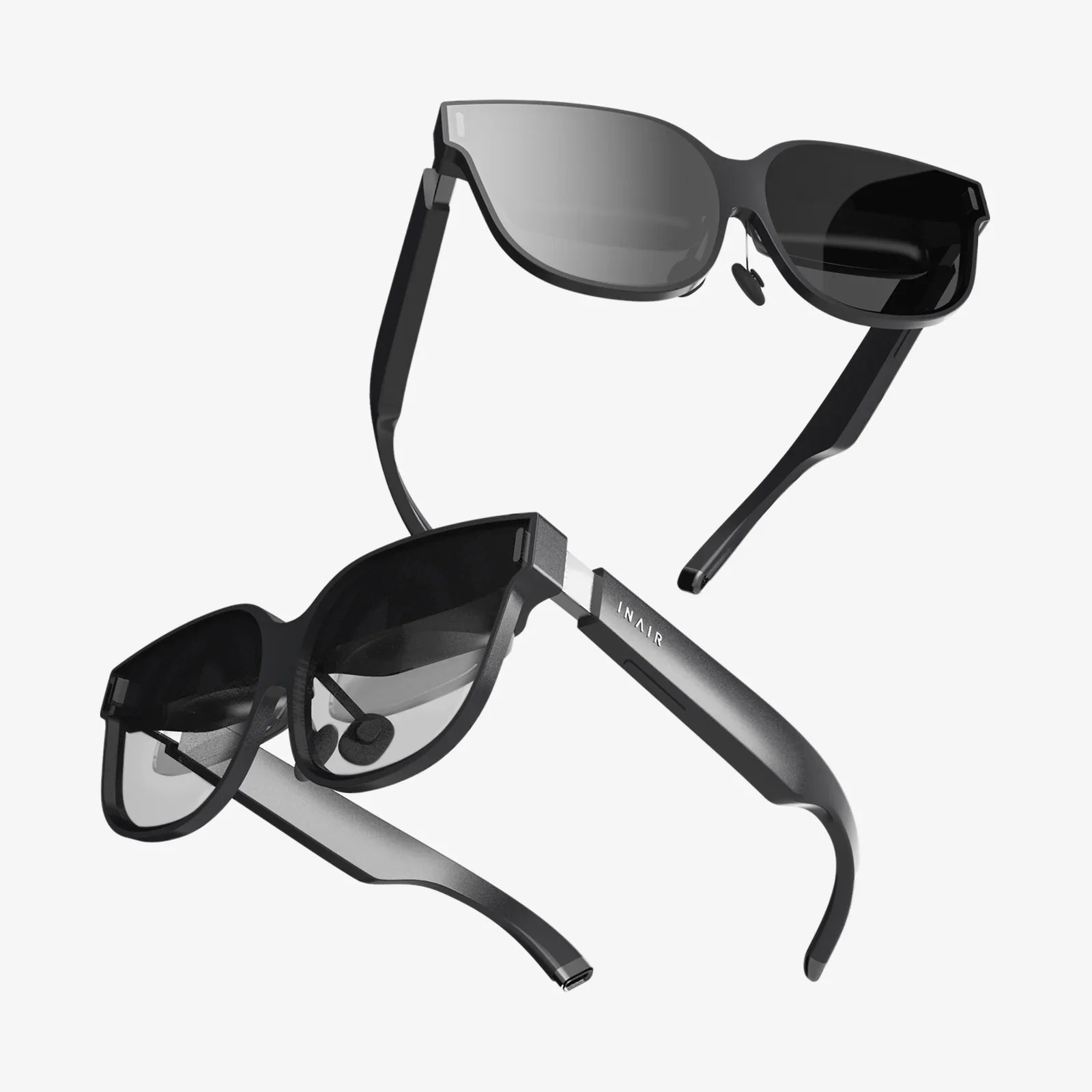
The virtual doorway to other worlds is now wider and more inviting than ever, but stepping through requires the right key. The quest for the best VR headset to buy in 2025 is not just about finding a piece of hardware; it’s about choosing your passport to experiences that blur the very line between the digital and the physical. The market has exploded with options, each promising unparalleled immersion. This isn't just about gaming anymore; it's about how we will work, socialize, and create in the years to come. Forget everything you thought you knew about clunky screens and limited experiences. The future is here, and it's waiting for you to put it on.
The 2025 VR Landscape: More Than Just Games
The virtual reality ecosystem in 2025 is a mature, vibrant, and surprisingly diverse universe. The technology has successfully shed its image as a niche gaming accessory and has firmly established itself as a multifaceted platform for human connection and productivity. The driving forces behind this evolution are significant advancements in several key areas.
First, the resolution race has reached a point of incredible visual fidelity. Standalone headsets now commonly feature displays that meet or exceed the coveted “retina” quality, where the human eye can no longer discern individual pixels at a normal viewing distance. This elimination of the “screen door effect” is paramount for immersion, making virtual environments feel tangible and real. Furthermore, high dynamic range (HDR) capabilities and wide color gamuts are becoming standard, allowing for breathtaking contrast and colors that pop with a vibrancy often missing in the real world.
Second, the concept of the “metaverse” has evolved from a buzzword into a series of interconnected, functional platforms. In 2025, VR is a primary gateway to these persistent digital spaces. Professionals attend meetings on virtual conference tables overlooking digital cityscapes, architects walk clients through unbuilt structures at 1:1 scale, and friends gather from across the globe to watch movies in shared virtual cinemas or explore user-generated worlds. This social and professional utility has dramatically expanded the target audience for VR, making the choice of a headset a decision about your digital social and work life.
Finally, the absolute barrier to entry—price—has lowered significantly. While flagship models still command a premium for cutting-edge features, the performance gap between budget-friendly and high-end devices has narrowed. A robust ecosystem of refurbished and previous-generation models also offers a compelling path for new users to enter the fold without a massive financial commitment. This democratization means there has never been a better time to invest in a virtual reality headset.
Key Features to Prioritize in Your 2025 Headset
With so many options available, knowing what to look for is crucial. The “best” headset is entirely subjective and depends on your intended use. Here are the critical specifications and features you must evaluate.
Display and Visual Fidelity: Seeing is Believing
The quality of the display is the soul of the VR experience. Key metrics include:
- Resolution per Eye: Aim for a minimum of 2K per eye, with 4K per eye becoming the new gold standard for high-end devices in 2025. This directly impacts text clarity and detail sharpness.
- Refresh Rate: A higher refresh rate (90Hz, 120Hz, or even 144Hz) translates to smoother motion, reduced latency, and a significantly lower chance of motion sickness. For fast-paced games and applications, this is non-negotiable.
- Lens Technology: Pancake lenses have largely replaced the older Fresnel lens design in new models. They allow for a much slimmer and lighter headset design while providing a larger “sweet spot” and edge-to-edge clarity. Look for headsets boasting this newer lens tech.
- Field of View (FoV): A wider FoV (110 degrees or more) increases the feeling of presence, making you feel like you’re “inside” the world rather than looking through a pair of binoculars.
Tracking and Controllers: Your Hands in the Virtual World
Precise tracking is what makes interaction in VR feel magical and intuitive.
- Inside-Out Tracking: This is now the universal standard. Cameras on the headset itself track the movement of the controllers and your surroundings, eliminating the need for external base stations or sensors. It offers fantastic convenience and portability. The number and quality of these cameras directly impact tracking reliability, especially at the edges of your vision or behind your back.
- Controller Design and Haptics: Controllers have evolved into sophisticated instruments. Look for ergonomic designs that feel like a natural extension of your hands. Advanced haptic feedback goes beyond simple vibration, offering nuanced sensations like the pull of a bowstring, the patter of rain, or the texture of a virtual object. Finger-tracking capabilities, either through cameras or sensors on the controllers themselves, allow for expressive hand gestures, enhancing social presence and gameplay mechanics.
Form Factor and Comfort: Wearability is King
The most powerful headset is useless if it’s uncomfortable to wear.
- Standalone vs. Tethered: Standalone headsets have their compute power and battery built-in, offering complete wireless freedom and ease of setup. Tethered (or PCVR) headsets connect to a powerful computer, delivering the absolute highest fidelity graphics for sim racing, flight sims, and enthusiast-grade gaming. Your choice here is the first major fork in the road.
- Weight Distribution: A well-designed headset uses a counter-balanced strap (often a rigid halo-style or elite-style strap with a rear battery) to distribute weight evenly across your head, not just on your face. This is critical for extended sessions.
- Materials and Ergonomics: Soft, breathable facial interfaces (often made of materials like silicone or faux leather) are essential for hygiene and comfort, especially during active use. Many manufacturers now offer optional prescription lens inserts, a game-changer for glasses wearers.
Audio: The Other Half of Immersion
3D spatial audio is not a luxury; it’s a necessity. Built-in directional speakers that don’t cover your ears are popular as they keep you aware of your real-world environment, which is a key safety feature. However, for the deepest immersion, high-quality headphones that provide rich, directional sound cues are irreplaceable. Many headsets feature a standard 3.5mm audio jack or support low-latency Bluetooth audio for your own headphones.
Software and Ecosystem: The World Within
The hardware is just a window; the software is the world you look into. Consider the platform the headset is tied to. A robust storefront with a rich library of games, creative applications, and social experiences is vital. Furthermore, look at the social features: how easy is it to connect with friends, party up, and share experiences? Cross-platform compatibility for popular games and apps is also a major advantage, ensuring your friends aren’t locked into a different ecosystem.
Breaking Down the Categories: Finding Your Fit
Based on the features above, headsets in 2025 generally fall into three distinct categories.
The Wireless Freedom Champion: Standalone Headsets
This category represents the most popular and accessible segment of the market. These all-in-one devices require no wires and no external computer. They are perfect for users who value convenience, portability, and a low-friction experience. They excel at social VR, fitness applications, media consumption, and a huge library of mobile-optimized games. The performance gap between standalone and PCVR continues to shrink, with the latest chipsets in 2025 offering stunning visuals that were exclusive to high-end PCs just a few years prior. This is the recommended category for most first-time buyers and those who want to use VR in multiple rooms.
The Performance Powerhouse: PC-Connected Headsets
For the enthusiast who demands nothing but the best, tethered PCVR headsets remain the apex. By leveraging the raw graphical power of a modern gaming computer, these devices deliver the highest possible resolutions, the most stable high refresh rates, and the most visually complex and demanding experiences. They are the undisputed choice for hardcore sim racers, flight simulator pilots, and gamers who want to experience modded versions of classic titles with maximum settings. The trade-off is, of course, the physical tether to a computer, which can limit movement and requires a more complex setup process.
The Budget-Conscious Gateway: Value-Oriented Options
The VR market now healthily supports a tier of devices that prioritize affordability above all else. These are often previous-generation standalone models that receive deep discounts, or new models designed with cost-saving measures (e.g., using LCD instead of OLED displays, fewer tracking cameras). While they may lack the bleeding-edge specs of their flagship siblings, they provide a fantastic and fully-featured introduction to VR. For anyone curious but hesitant to make a four-figure investment, this category offers a low-risk way to step into the virtual world without a significant compromise on the core experience.
Future-Proofing Your Investment
Technology evolves rapidly, but a smart purchase in 2025 can remain relevant for years. Consider headsets that support backward compatibility with existing software libraries to protect your game purchases. Look for modern connection standards like Wi-Fi 6E for flawless wireless streaming and DisplayPort 2.1 or USB4 for tethered connections, ensuring compatibility with next-generation computers. Perhaps most importantly, choose a headset from a company with a proven track record of supporting its hardware with consistent software updates and new features, extending the life and value of your device long after you take it out of the box.
Setting Up for Success: Your First Steps in VR
Once you've made your choice, proper setup is key. Designate a clear play area free of obstacles and fragile items. Most systems will guide you through tracing a Guardian or Boundary—a virtual wall that appears when you get too close to the edge of your safe zone. Pay attention to this feature; it is your primary safeguard against real-world accidents. Adjust the headset straps meticulously for a secure and comfortable fit. Start with less intense experiences to allow your brain to acclimatize to VR, and take regular breaks every 30 minutes. Most importantly, share the experience! Introducing friends and family to VR is one of the greatest joys of owning a headset.
The shimmering cities of fantasy epics, the silent vastness of space, the intimate connection of a conversation with someone on the other side of the planet as if they were in your living room—these are no longer dreams of a distant future. They are experiences on offer right now, waiting behind the lens of the right headset. The technology has finally matured from a promising prototype into a transformative portal for play, work, and human connection. Your journey into the next dimension doesn't require a leap of faith, just a informed decision on which window to open first. The ultimate virtual reality is the one that feels real to you, and in 2025, that reality is closer and more accessible than ever before.
Share:
Best VR Goggles for iPhone XR: Your Ultimate Immersive Experience Guide
XR Headset News Today 2025: The Year Spatial Computing Became Mainstream