


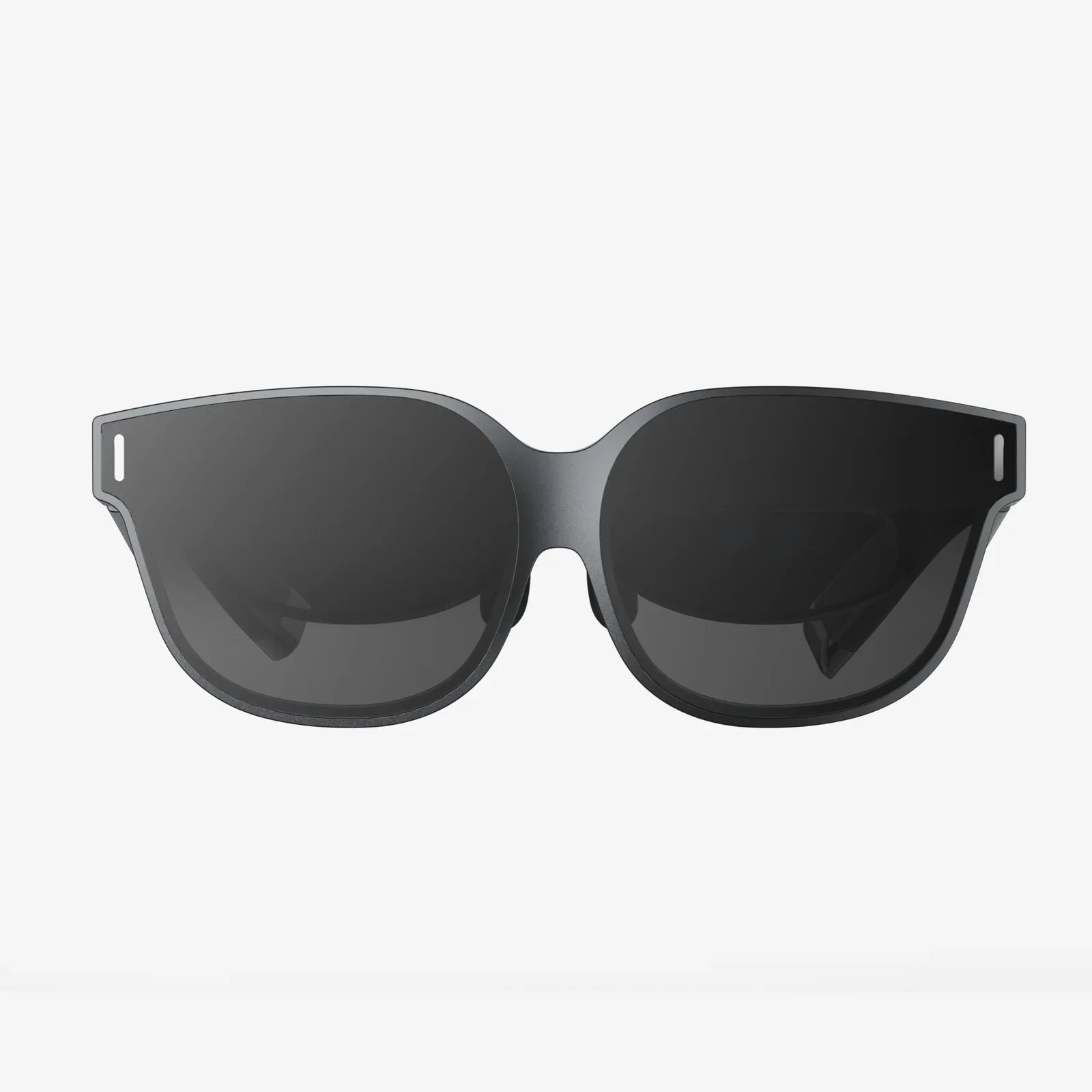
Imagine stepping into another world, a digital dimension so vivid and responsive that the real one fades away, all without a single wire holding you back. The quest for the perfect untethered experience is the holy grail for VR enthusiasts, and finding the best wireless virtual reality headset is the key to unlocking this unparalleled freedom. This isn't just about cutting a cord; it's about redefining immersion, where your physical movements are limitless and your virtual adventures are bound only by your imagination. The era of tripping over cables and being painfully aware of your play space is over. Welcome to the future, a future that is blissfully wireless.
The Revolution of Untethered VR: Why Wireless Matters
For years, virtual reality was a paradox. It promised boundless exploration but delivered a experience physically tethered to a powerful, and expensive, computer. This cable was more than a mere inconvenience; it was a constant reminder of the artificiality of the world, a leash that prevented true immersion. The advent of compelling wireless VR technology has shattered this limitation, representing the most significant leap forward in making VR accessible, intuitive, and genuinely magical.
The benefits are immediately tangible:
- Unmatched Freedom of Movement: Spin, crouch, dodge, and lay down without a second thought. This is crucial not just for action-packed games but for any application where natural, unencumbered movement enhances the experience, from virtual sculpting to fitness applications.
- Dramatically Improved Safety: The tripping hazard posed by a trailing cable is eliminated, creating a safer environment for both the user and their hardware.
- Reduced Setup Complexity: Without the need to manage a high-bandwidth cable connection, entering VR becomes a quicker, more seamless process, encouraging spontaneous use.
- A More Social Experience: Wireless headsets are easier to share with friends and family in a living room setting, as there's no complex cabling to a computer in another room.
Key Technologies Powering Wireless VR Headsets
Achieving a high-fidelity, low-latency wireless video transmission is a monumental technical challenge. It requires a perfect marriage of hardware and software. There are two primary technological approaches that manufacturers use to achieve wireless functionality, each with its own strengths.
Standalone (All-in-One) Systems
These headsets are complete computing systems. The display, processors, sensors, and battery are all contained within the headset itself. They are entirely self-sufficient, requiring no external computer, console, or phone to operate.
How it Works: A mobile-grade system-on-a-chip (SoC), similar to those found in high-end smartphones, powers the entire experience. The onboard processors handle everything from rendering the 3D environment to tracking head and controller movements. They connect to a dedicated online store to access games and applications and often feature a rechargeable battery pack offering several hours of use.
Pros: Ultimate portability and convenience, no need for a powerful PC, generally more affordable entry point, quick and easy setup.
Cons: Graphical fidelity and processing power are necessarily lower than PC-powered systems, limiting the complexity of experiences; battery life dictates session length.
PC-Streaming via Dedicated Wireless Adapters
This solution is designed for enthusiasts who already own a high-performance gaming PC and want to liberate a PC-connected headset from its cable without sacrificing visual quality.
How it Works: A dedicated wireless transceiver, often a PCIe card installed in the PC and a receiver module attached to the headset, creates a direct, high-bandwidth link between the computer and the headset. This system uses technologies like WiGig (802.11ad), which operates on the 60GHz spectrum, to transmit compressed video and audio data with extremely low latency. The PC does all the heavy graphical lifting, streaming the result to the headset, which acts as a display.
Pros: Delivers the full graphical fidelity and library of a premium PC VR experience, no compromises on game complexity, often uses a swappable battery pack for indefinite play.
Cons: Requires a significant investment in both a capable VR-ready PC and the wireless adapter kit, adds some setup complexity, potential for signal interference in certain environments.
Critical Features to Evaluate in a Wireless VR Headset
Beyond the core wireless technology, several factors separate a good headset from the best wireless virtual reality headset. A careful evaluation of these features will ensure your investment delivers the experience you crave.
Visual Fidelity: Resolution, Refresh Rate, and Lens Quality
The window into the virtual world must be as clear and convincing as possible.
- Resolution: Measured in pixels per eye, higher resolutions drastically reduce the "screen door effect" (the visible grid between pixels) and make text sharper and worlds more believable. Look for headsets with combined resolutions well into the millions of pixels.
- Refresh Rate: Measured in Hertz (Hz), a higher refresh rate (90Hz and above) makes motion appear smoother and more natural, which is critical for comfort and immersion. It also helps reduce simulation sickness for many users.
- Lens Technology: Advanced lens designs, like Fresnel or pancake lenses, manage focus and clarity across a wider field of view (FOV), reducing god rays and glare while providing a more expansive view of the virtual world.
Tracking: Inside-Out vs. External Sensors
How the headset understands its position in space and the location of your controllers is fundamental to interaction.
- Inside-Out Tracking: Cameras mounted on the headset itself view the surrounding environment to track its position. This is the standard for modern wireless headsets as it requires no external sensors, making setup trivial and the system highly portable. The quality of the cameras and the software algorithms determine its accuracy.
- External Sensor Tracking: Some older or high-end PCVR setups use external lasers or sensors placed around the room to precisely track sensors on the headset and controllers. While potentially more accurate, this method sacrifices the simplicity and portability that define the wireless ethos.
Performance and Battery Life
For standalone headsets, the processor is the engine. A powerful, modern chipset is required to render complex worlds while handling tracking and input. For PC-streaming kits, the efficiency of the compression and transmission technology is key to maintaining performance. Battery life is the ultimate limiter of untethered sessions. Most standalone headsets offer 2-3 hours of active use, while many wireless adapter kits use hot-swappable batteries, allowing for continuous play.
Content Library and Ecosystem
A headset is only as good as the experiences it can access. The best wireless virtual reality headset will have a robust and growing library of content tailored to its platform. Some ecosystems are walled gardens, while others are more open. Consider where your desired apps and games reside—whether it's a curated standalone store or the vast plains of PC-based platforms.
Comfort and Ergonomics
A headset must be comfortable enough to forget you're wearing it. Weight distribution is critical, especially as battery packs add mass. Look for designs that balance weight effectively across the head, with plush, adjustable straps and facial interfaces. The ability to accommodate eyeglasses or offer custom optical inserts is also a major quality-of-life feature.
The Future of Wireless Virtual Reality
The trajectory of wireless VR is incredibly exciting. We are moving towards even greater integration and miniaturization. Future headsets will likely leverage technologies like 5G and cloud streaming to offload processing entirely, making photorealistic graphics possible on tiny, lightweight glasses. Improvements in eye-tracking and foveated rendering will work in tandem with wireless systems, drastically reducing the bandwidth and processing power needed by only rendering the precise spot you're looking at in full detail. Furthermore, the development of more efficient battery technology and low-power displays will extend play sessions and reduce the overall weight and bulk of the hardware. The line between the virtual and the real will continue to blur, and the cord will never be missed.
Your journey into a limitless virtual realm doesn't start with the most expensive specs sheet, but with the headset that seamlessly disappears on your face and whisks your mind away. The true best wireless virtual reality headset is the one that perfectly aligns with your dreams of exploration, your craving for action, and your desire to create, all while making the technology itself fade into the background. The freedom to move is the freedom to believe. Stop dreaming about that perfect, unplugged dive into other dimensions and start experiencing it—your untethered adventure awaits just beyond the horizon.
Share:
Which AR Glasses Are the Best? A Deep Dive into the Future on Your Face
AR Glasses for PC: The Ultimate Guide to Transforming Your Digital Workspace