


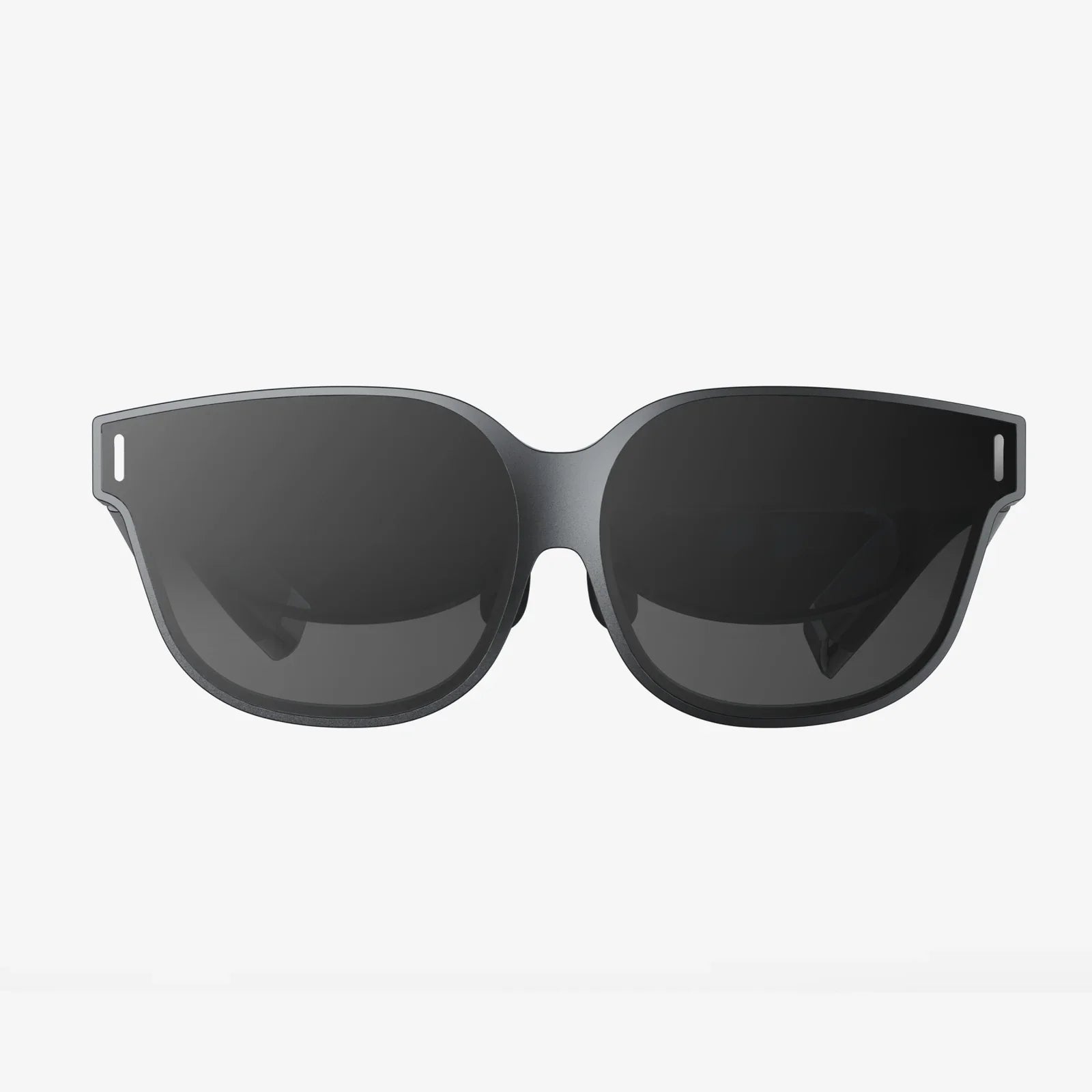
You strap on a sleek new device, its screen glowing with promise. It will track your steps, monitor your sleep, and unlock a new era of quantified self-awareness. For the first week, it’s fascinating. By the third week, it’s a chore. And by the third month, it’s gathering dust in a drawer. This cycle of enthusiasm and abandonment is the silent epidemic of the wearable technology revolution, pointing to the industry's most profound and difficult hurdle.
The Mirage of the Killer Feature
For years, the industry believed that a single "killer feature" would be the key to mass, permanent adoption. Whether it was step counting, heart rate monitoring, or contactless payments, the assumption was that utility alone would win. However, this perspective fundamentally misunderstood the human element of the equation. The challenge isn't just about what the device can do; it's about what value it consistently delivers to a user's life without becoming a burden.
Many devices fall into the trap of being data-rich but insight-poor. They present users with a deluge of numbers—sleep scores, stress levels, VO2 Max estimates—without providing actionable, contextualized guidance. Seeing that you had a "poor" night's sleep is frustrating; understanding the specific, controllable factors that contributed to it and receiving a personalized suggestion for improvement is valuable. The gap between raw data and genuine wisdom is vast, and most wearables have struggled to build a reliable bridge across it.
The Tyranny of the Daily Charge
While not the sole challenge, the persistent issue of battery life is a direct and tangible contributor to user abandonment. Power density has not kept pace with the increasing capabilities of these devices. As processors become more powerful and sensors more numerous and precise, their energy demands soar.
This creates a critical point of friction: the daily charging ritual. For a device meant to be worn 24/7 to track continuous health metrics, having to take it off for several hours a day is a fundamental design flaw. It breaks the seamless integration into a user's life. The moment a user forgets to charge their device, the chain of data is broken, and the perceived reliability of the entire system is damaged. This friction is a constant reminder that the technology is still an intruder in one's life, not a natural part of it. The ultimate goal—a device that requires no conscious thought for power, much like a traditional watch—remains elusive, acting as a significant barrier to effortless, long-term use.
The Privacy Paradox and Data Deluge
Wearables are, by their very nature, intimate data collection platforms. They reside on our bodies, recording our most sensitive biological information: our heart rhythms, location patterns, sleep habits, and even blood oxygen levels. This creates a significant privacy paradox. Users willingly exchange this deeply personal data for the promise of better health and convenience, often without a clear understanding of where this data is stored, how it is used, or who it might be shared with.
Beyond the legitimate fears of data breaches and unauthorized commercial use, there is a more subtle psychological challenge: data anxiety. Constant monitoring can lead to an unhealthy obsession with metrics, a condition sometimes termed "orthosomnia"—the pursuit of perfect sleep data. Instead of empowering users, the relentless stream of data can generate stress, guilt, and a compulsive need to "optimize" every biological function. The wearable, intended as a tool for wellness, can ironically become a source of neurosis, undermining its own core purpose.
The Design Dilemma: Fashion Versus Function
A device that is technologically brilliant but aesthetically unappealing will struggle to find a permanent place on the user's wrist. The biggest challenge here is achieving a universal design that appeals to a diverse global market with vastly different tastes, while also accommodating the necessary hardware. For many, a wearable is not just a gadget; it is an accessory, a statement of personal style.
The industry has grappled with finding the right balance. Some devices prioritize function, resulting in bulky, utilitarian designs that appeal to a niche athletic audience but fail in broader social or professional settings. Others prioritize a minimalist, fashion-forward aesthetic but compromise on sensor accuracy or display functionality. Creating a device that is both a credible piece of technology and a desirable piece of jewelry, for all genders and styles, remains a formidable industrial design and engineering challenge.
Fragmentation and the Interoperability Impasse
The wearable ecosystem is notoriously fragmented. Devices from different manufacturers operate on different software platforms, with data often locked into proprietary silos. A user's health data might reside in one app, their fitness data in another, and their notification streams managed by a third. This lack of a seamless, unified experience creates frustration and diminishes the overall value proposition.
True interoperability—where data flows securely and effortlessly between devices, platforms, and healthcare providers—is the holy grail. It would allow for a more holistic view of an individual's wellbeing. However, commercial interests and a lack of universal standards have prevented this from becoming a reality. This fragmentation forces users to make difficult choices and often means the full potential of their collected data is never realized.
The Path Forward: From Gadget to Guardian
Overcoming these intertwined challenges requires a fundamental shift in perspective. The next generation of wearables must evolve from being mere data-reporting gadgets into becoming intelligent, proactive guardians of health and wellness. This involves a deeper integration of artificial intelligence and machine learning not to just report data, but to interpret it with nuance and context.
Future success hinges on predictive and personalized insights. Imagine a device that doesn't just tell you you're stressed, but recognizes the early signs and suggests a brief breathing exercise. Or a device that analyzes sleep data alongside calendar events to recommend an ideal wind-down time for the following night. This shift from reactive logging to proactive coaching will create the sustained value necessary for long-term adoption.
Furthermore, solving the battery dilemma through advancements in low-power processors, energy harvesting (such as using kinetic movement or solar power), and perhaps even new battery chemistry is essential for removing a major point of friction. Finally, building trust through transparent data practices and robust security will be non-negotiable. Users need to feel confident that their most personal information is safe and used ethically.
The drawer full of abandoned wearables isn't a monument to failure, but a testament to unmet expectations. The technology has proven its capability to sense and measure; now, the industry must master the art of understanding, advising, and integrating. The race is no longer to build a better sensor, but to build a smarter, more intuitive, and truly indispensable companion that earns its place on your wrist not for a month, but for a lifetime. The device that finally cracks this code won't just be worn—it will be missed when it's gone.
Share:
Framework Desktop: The Revolutionary Blueprint for a Truly Personal Computer
AI and AR Projects: The Symbiotic Technologies Reshaping Our Reality