


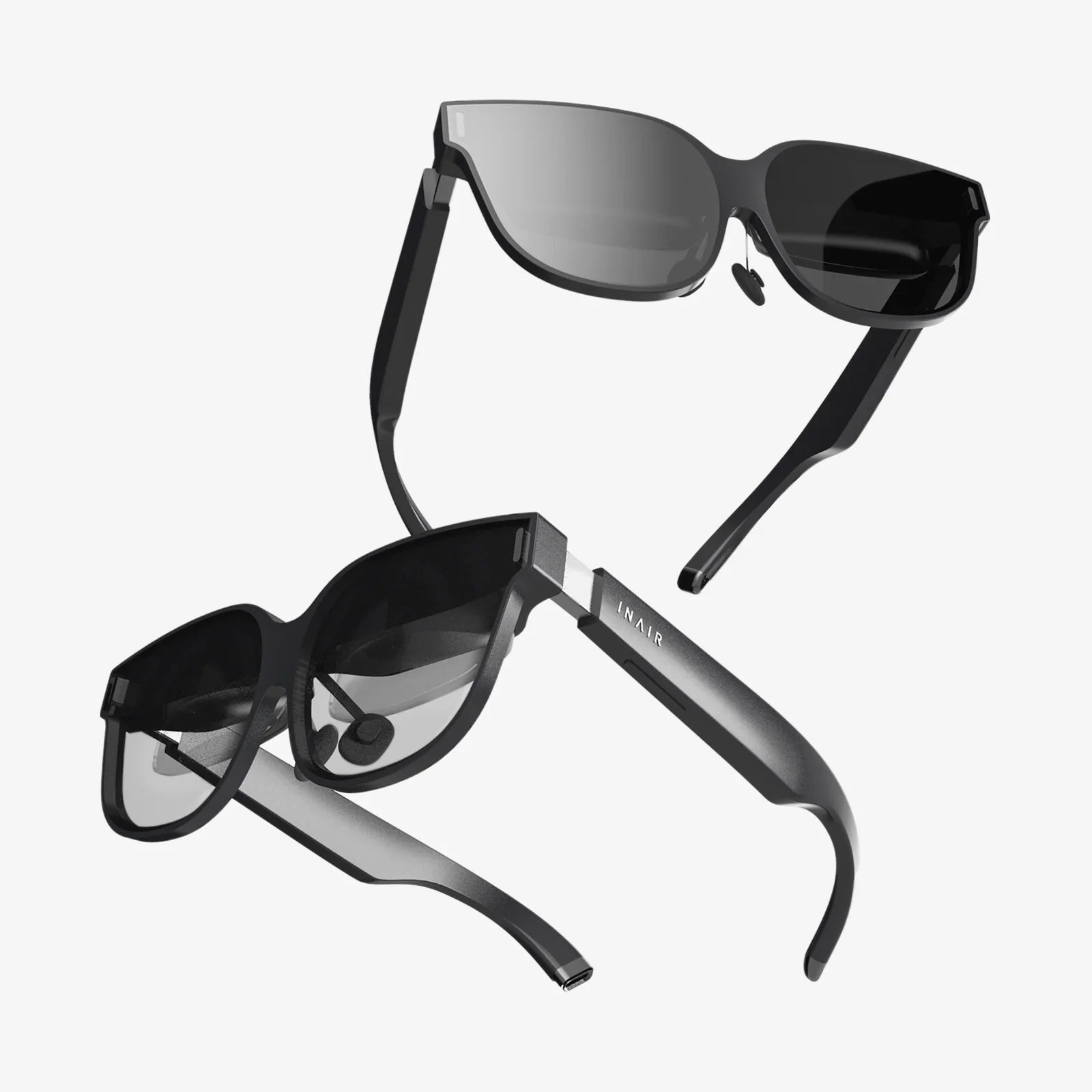
Imagine the most epic blockbuster film, not on a screen in front of you, but all around you. Picture a heart-pounding concert where you have the best seat in the house, from the comfort of your living room. Envision collaborating with colleagues from across the globe as if you were all gathered around the same physical whiteboard. This isn't a glimpse into a distant future; it's the palpable, awe-inspiring reality offered by modern Bigscreen VR goggles. This technology has evolved from a niche gaming peripheral into a powerful portal for immersive media consumption, social interaction, and professional collaboration, fundamentally reshaping our relationship with digital content.
The Evolution of the Virtual Cinema
The concept of a personal, portable cinema is not new. For decades, people have sought ways to replicate the theatrical experience at home, from large projection televisions to sophisticated surround sound systems. However, these setups, while impressive, always existed within the confines of a physical room. They were an improvement, but not a transformation. The advent of consumer virtual reality marked a paradigm shift. Early iterations of the technology were clunky, low-resolution, and often caused discomfort, making prolonged media viewing impractical. They were proof-of-concepts, exciting but flawed.
The true revolution began with the development of dedicated platforms and applications designed specifically for virtual cinemas. These software environments understood that the hardware was merely the vessel; the magic happened in the creation of a believable, comfortable, and high-fidelity virtual space. This is where the concept of Bigscreen VR goggles truly took root. It wasn't just about strapping a screen to your face; it was about being teleported to a perfectly calibrated movie theater, a cozy retro living room, or even the bridge of a starship hurtling through the cosmos. The software could render these environments with stunning detail, complete with virtual seats, ambient lighting, and spatial audio that tricked the brain into believing it was somewhere else entirely.
The hardware rapidly evolved to meet the demands of this software. Key technological leaps included:
- High-Resolution Displays: The move from blurry, pixelated screens to high-resolution, and eventually 4K-per-eye, displays was the single most important factor. This eliminated the "screen door effect" and made text legible and images crisp, which is essential for believing you are looking at a massive, high-quality screen.
- Advanced Lenses: The adoption of Fresnel and later pancake lenses provided a larger "sweet spot" for clarity, reduced glare, and made the devices significantly thinner and lighter, enhancing comfort for long viewing sessions.
- Inside-Out Tracking: The elimination of external base stations simplified setup immensely. Cameras on the device itself track its position in the room, allowing for seamless movement and interaction within the virtual space without cumbersome external hardware.
- Improved Ergonomics: Manufacturers shifted focus from pure technical specs to user comfort. Better weight distribution, adjustable straps, and facial interfaces made from breathable materials meant users could enjoy a two-hour film without neck strain or discomfort.
This symbiotic evolution between sophisticated software and powerful, user-friendly hardware is what defines the modern Bigscreen VR experience. It transformed a novel tech demo into a viable and profoundly compelling alternative to traditional home entertainment systems.
Beyond the Silver Screen: A Multifunctional Portal
While the name "Bigscreen" implies a focus on film, the utility of these devices extends far beyond passive viewing. They have become multifunctional portals that redefine a variety of digital activities.
The Ultimate Gaming Arena
For gamers, Bigscreen VR goggles offer an experience that flat screens cannot match. While traditional VR games place you inside the action, the Bigscreen mode allows for a different kind of immersion. Playing a classic console game on a virtual IMAX screen is a revelation. Racing games feel more intense, epic RPGs become more cinematic, and strategy games benefit from the sheer scale of the virtual display. It effectively gives every game, even those not designed for VR, a new layer of grandeur and immersion. Furthermore, for PC gamers, these devices can function as a wireless, ultra-immersive monitor, allowing them to play their entire library in a private theater.
Revolutionizing Social Connection
This is perhaps the most transformative aspect of the technology. Bigscreen platforms are inherently social. You are not alone in your virtual cinema; you can invite friends to join you. Their avatars sit in the seats next to you. You can hear their reactions, chat about the film, and share popcorn emojis. This recreates the lost social ritual of going to the movies, but without geographical constraints. Friends and family scattered across the country or the globe can have a shared viewing experience, making them feel connected in a way a simple video call cannot replicate. The sense of presence—the feeling that you are actually in a room with another person—is the killer feature. This extends to watching live sports events, YouTube videos, or even just hanging out in a custom virtual environment, making the physical distance between people feel insignificant.
A New Dimension for Productivity
The concept of the "infinite office" is becoming a reality with Bigscreen VR goggles. Instead of being limited by the physical monitors on your desk, you can surround yourself with multiple large, virtual screens. You can have your email on one screen, a coding environment on another, and a web browser on a third, all floating in a serene, distraction-free virtual environment. This vastly expands the available screen real estate without requiring a massive physical footprint. For remote workers, virtual meeting rooms can foster a stronger sense of collaboration than grid-based video conferencing tools. Brainstorming on a virtual whiteboard or manipulating 3D models together in a shared space provides a level of interaction that feels natural and productive.
Navigating the Considerations: Comfort, Content, and Community
Despite the incredible promise, adopting this technology is not without its considerations. Potential users should be aware of the current landscape to set realistic expectations.
- Technical Requirements: To stream high-resolution video or power multiple virtual displays, a robust internet connection and a capable computing device are often necessary. Wireless models provide incredible freedom but rely on a strong Wi-Fi network to function optimally.
- Comfort for Long Sessions: While ergonomics have improved dramatically, these are still devices worn on the head. Factors like individual sensitivity to weight, heat buildup, and the pressure on the face can vary. Trying different models or aftermarket comfort accessories is often recommended for serious users.
- Content Accessibility and Legality: The question of how to get content onto the virtual screen is paramount. While users can stream from their own PCs or certain subscription services, the ecosystem of native apps from major streaming platforms is still evolving. Furthermore, the social viewing of copyrighted content exists in a legal gray area that platforms are continuously navigating.
- The Social Experience: The quality of the social interaction is entirely dependent on the community. While joining a public room to watch a movie with strangers can be a fun and novel experience, it can also be unpredictable. Most platforms offer robust tools for creating private rooms and curating your social circle to ensure positive interactions.
The Future is Being Streamed, and It's Immersive
The trajectory of Bigscreen VR technology points toward an even more seamless and integrated future. We are moving toward devices that are indistinguishable from a pair of sunglasses, with varifocal lenses that perfectly accommodate our eye prescription and eye-tracking that provides intuitive control and stunning visual fidelity. The line between the virtual screen and the real world will continue to blur with advancements in augmented reality, allowing digital screens to be placed seamlessly within our physical environment.
The content itself will evolve. We are already seeing the birth of native 3D and 180-degree videos filmed specifically for this medium. Imagine not just watching a concert, but standing on stage with the artist. Imagine not just watching a nature documentary, but being transported into the heart of the rainforest. The storytelling language for this medium is still being written, and it promises a depth of empathy and understanding that traditional media cannot achieve.
The potential for live events is staggering. Front-row seats at Broadway shows, exclusive access to fashion weeks, or immersive educational lectures from the world's top professors could all be democratized through this technology. The virtual ticket could become as sought-after as a physical one, breaking down barriers of location and cost.
From their humble beginnings as bulky headsets with limited appeal, Bigscreen VR goggles have matured into a sophisticated and transformative technology. They are no longer just for gamers or tech enthusiasts; they are for movie lovers seeking the ultimate home theater, for families and friends separated by miles but connected by a desire to share experiences, for professionals building the future of remote work, and for anyone who has ever dreamed of a bigger screen. They represent a fundamental shift from watching content to inhabiting it. The door to these boundless virtual worlds is now open, and the view from the inside is nothing short of spectacular. Your personal IMAX is waiting, and the show is about to begin.
Share:
Using VR for Large Screen: The Ultimate Immersive Entertainment Revolution
Different Wearable Technology: Beyond the Wrist and Into the Future