


- by wangfred
Different Wearable Technology: Beyond the Wrist and Into the Future
- by wangfred
Imagine a world where your clothing monitors your posture, your earrings translate languages in real-time, and a discreet skin patch manages a chronic health condition—all without a single device on your wrist. This isn't a scene from a science fiction novel; it's the rapidly evolving, multifaceted reality of different wearable technology. The term 'wearable' has become almost synonymous with the smartwatch, but this is a vast and often overlooked oversimplification. The true landscape of wearables is a sprawling ecosystem of innovation, pushing the boundaries of where technology can live and how it can serve us, moving from our wrists to our ears, our skin, our eyes, and woven into the very fabric of our lives. This technological revolution is not just about convenience; it's about a fundamental shift in how we interact with data, manage our health, and perceive our own bodies.
It is impossible to discuss the wearables market without acknowledging the titan that popularized it: the wrist-worn device. These devices, encompassing both fitness trackers and full-featured smartwatches, became the mainstream entry point for millions. Their success is rooted in a perfect storm of factors: the wrist is a traditional place for a functional accessory, it provides excellent proximity for heart rate monitoring, and it offers a glanceable interface that doesn't require users to fully disengage from their surroundings. These gadgets democratized health data, turning abstract concepts like steps, heart rate variability, and sleep stages into tangible metrics for the average consumer. They created a culture of quantified self, encouraging movement, and providing rudimentary health insights that were previously locked away in medical facilities. While they represent the most visible facet of the market, they are merely the tip of the iceberg, setting the stage for a much broader and more specialized wave of innovation.
Perhaps the most significant evolution beyond the wrist has occurred in and around our ears. Hearables, a portmanteau of 'hearing' and 'wearables,' have exploded in sophistication. They are no longer simple wireless audio devices for music and calls. Modern hearables are packed with sensors and powered by advanced algorithms for active noise cancellation, transparent hearing modes, and personalized sound amplification. They are becoming powerful health tools, capable of monitoring heart rate through the ear's blood flow and even detecting potential signs of fever through internal temperature sensors. Furthermore, they are at the forefront of ambient computing, acting as a always-available, voice-activated portal to digital assistants and real-time information. The development of biometric hearing aids that can double as health monitors blurs the line between consumer electronics and medical devices, offering a glimpse into a future where assistive technology is both seamless and powerfully insightful.
What if your clothing was the computer? This is the promise of smart fabrics and electronic textiles (e-textiles). This category represents a radical departure from the hard, plastic devices we typically imagine. Instead, technology is integrated directly into the fibers of the material itself through conductive threads, micro-sensors, and flexible circuitry. The applications are staggering. In athletics, smart shirts can provide detailed biomechanical feedback on running form, muscle exertion, and breathing efficiency, far beyond what a wrist device can measure. In the medical field, smart onesies for infants can monitor breathing and heart rate to help prevent Sudden Infant Death Syndrome (SIDS). For workers in high-risk environments like firefighting or construction, uniforms can monitor vital signs and environmental toxins, sending alerts if a worker is in distress. The ultimate goal is technology that disappears entirely—garments that look and feel completely normal but offer a suite of intelligent functions, making the interaction between the user and the device completely passive and unintrusive.
While consumer devices offer general wellness insights, a parallel and critically important field is that of medical-grade wearables. These are FDA-approved or CE-marked devices designed for continuous, clinical-level monitoring and the management of specific diseases. This includes adhesive patches that monitor ECG for cardiac patients for weeks at a time, continuous glucose monitors (CGMs) that liberate diabetics from constant finger-pricking, and smart inhalers that track usage and environmental triggers for asthma sufferers. These devices are transforming healthcare from a reactive, episodic model—where care happens during a brief clinic visit—to a proactive, continuous model. Doctors can receive real-world, real-time data on how a patient's body is functioning outside the sterile clinical environment, enabling more personalized treatment plans and early intervention. This not only improves health outcomes but also empowers patients, giving them unprecedented visibility and control over their conditions.
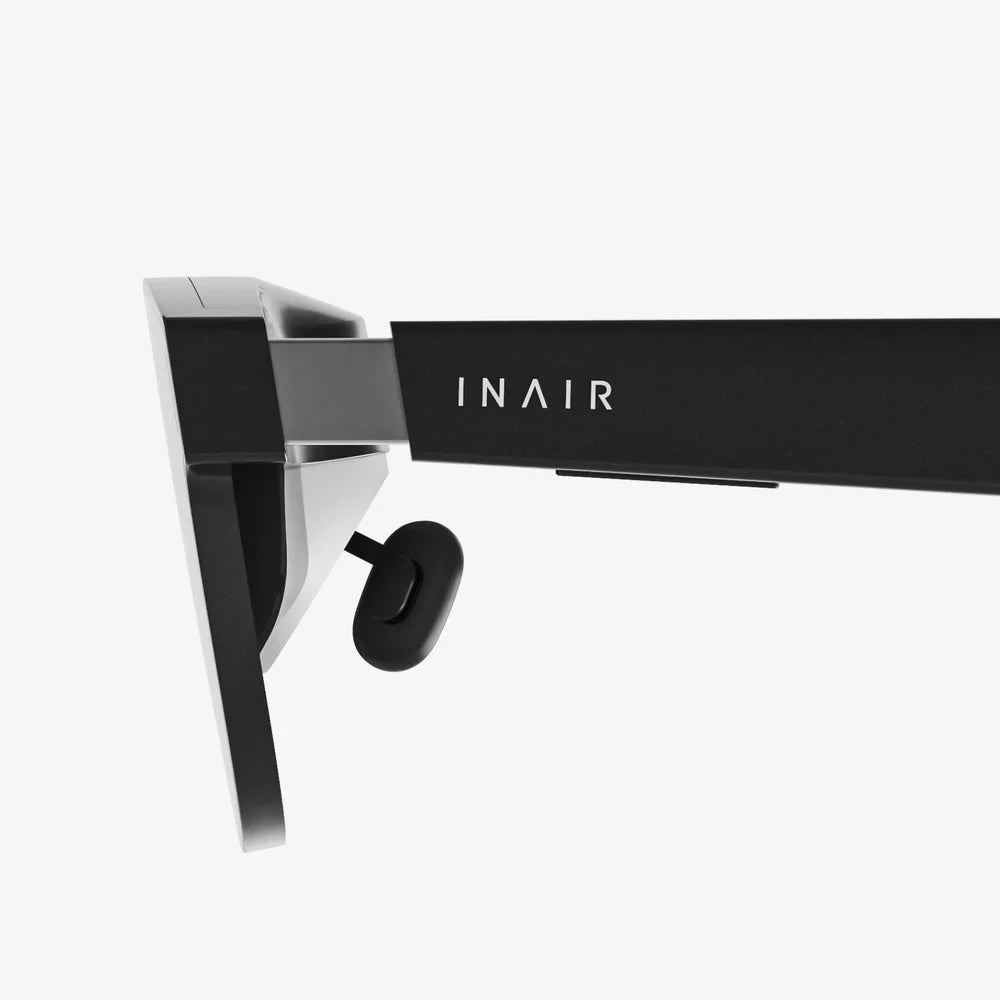
Smart glasses have had a tumultuous history, often criticized for their clunky design and limited utility. However, the category is experiencing a powerful resurgence, moving beyond the failed consumer push into specialized enterprise and niche applications. In fields like logistics, warehouse workers use smart glasses to see picking instructions hands-free, dramatically improving efficiency and accuracy. Surgeons can overlay vital signs or surgical guides into their field of vision during complex procedures. Mechanics can view repair manuals while keeping both hands on the engine. The technology is also advancing rapidly in the consumer space, focusing less on a full augmented reality overlay for everyone and more on specific, high-value use cases like navigation cues for cyclists or real-time translation for travelers. The dream of a sleek, socially acceptable pair of glasses that seamlessly blends the digital and physical worlds remains the holy grail, and steady progress in miniaturization and display technology continues to make it more plausible.
Pushing the boundary of 'wearable' to its logical extreme brings us to implantable technology. These are devices that are placed inside the human body, representing the deepest level of integration between biology and technology. While this may sound futuristic, it is already a reality. Pacemakers and implantable cardioverter-defibrillators (ICDs) are life-saving staples of modern medicine. More recently, we've seen the development of smart prosthetics with sensors that connect to the nervous system, allowing for more natural movement and even a sense of touch. Subdermal chips, though still a niche phenomenon, can store medical information or act as access keys. This category raises profound questions about ethics, privacy, and the very definition of humanity, but it also holds the promise of overcoming some of our greatest biological limitations, offering solutions for paralysis, neurodegenerative diseases, and organ failure.
The proliferation of different wearable technology is not without its significant challenges. As these devices collect increasingly intimate and continuous data—from our precise location and conversations to our deepest health metrics—the issue of data privacy and security becomes paramount. Who owns this data? How is it being used? Could it be used by insurers to adjust premiums or by employers to make hiring decisions? The potential for misuse is enormous. Furthermore, the problem of digital divide could be exacerbated; will these advanced health-monitoring tools only be available to the wealthy, creating a new class of 'bio-enhanced' individuals? There are also practical hurdles: battery life remains a constant constraint, and creating interoperability between devices from different manufacturers is a complex task. Finally, the social acceptance of always-on technology, particularly devices with cameras and microphones like smart glasses, continues to be a delicate societal negotiation.
The trajectory of wearable technology is clear: it is moving towards contextuality, ambience, and invisibility. The next generation of devices will not require our constant attention; instead, they will fade into the background, working autonomously to provide the right information or service at the right time. They will be less about a screen to stare at and more about a system that understands our needs and state of being. Advances in energy harvesting could see devices powered by body heat, movement, or light, eliminating the daily charging ritual. Artificial intelligence will be the key, acting as the brain that makes sense of the torrent of data from these various sensors, turning raw data into actionable, personalized insights. We are moving towards a world of distributed sensing, where a network of different devices on, in, and around our bodies works in concert to create a holistic digital model of our health and environment.
The true power of different wearable technology lies not in any single device, but in the symphony they will eventually play together. The smartwatch will talk to the smart fabric shirt, which will calibrate its readings with the hearable in your ear, all informing a discreet skin patch that administers medication. This interconnected ecosystem promises a future where technology is no longer something we carry, but something we wear, and ultimately, something we are. It’s a future that is being built today, stitch by sensor-laden stitch, not on factory assembly lines for a single must-have gadget, but across countless labs and design studios, all converging on the human body as the next great platform for technological innovation. The revolution will not be wrist-worn; it will be woven, worn, and seamlessly integrated into the very essence of our daily existence.