


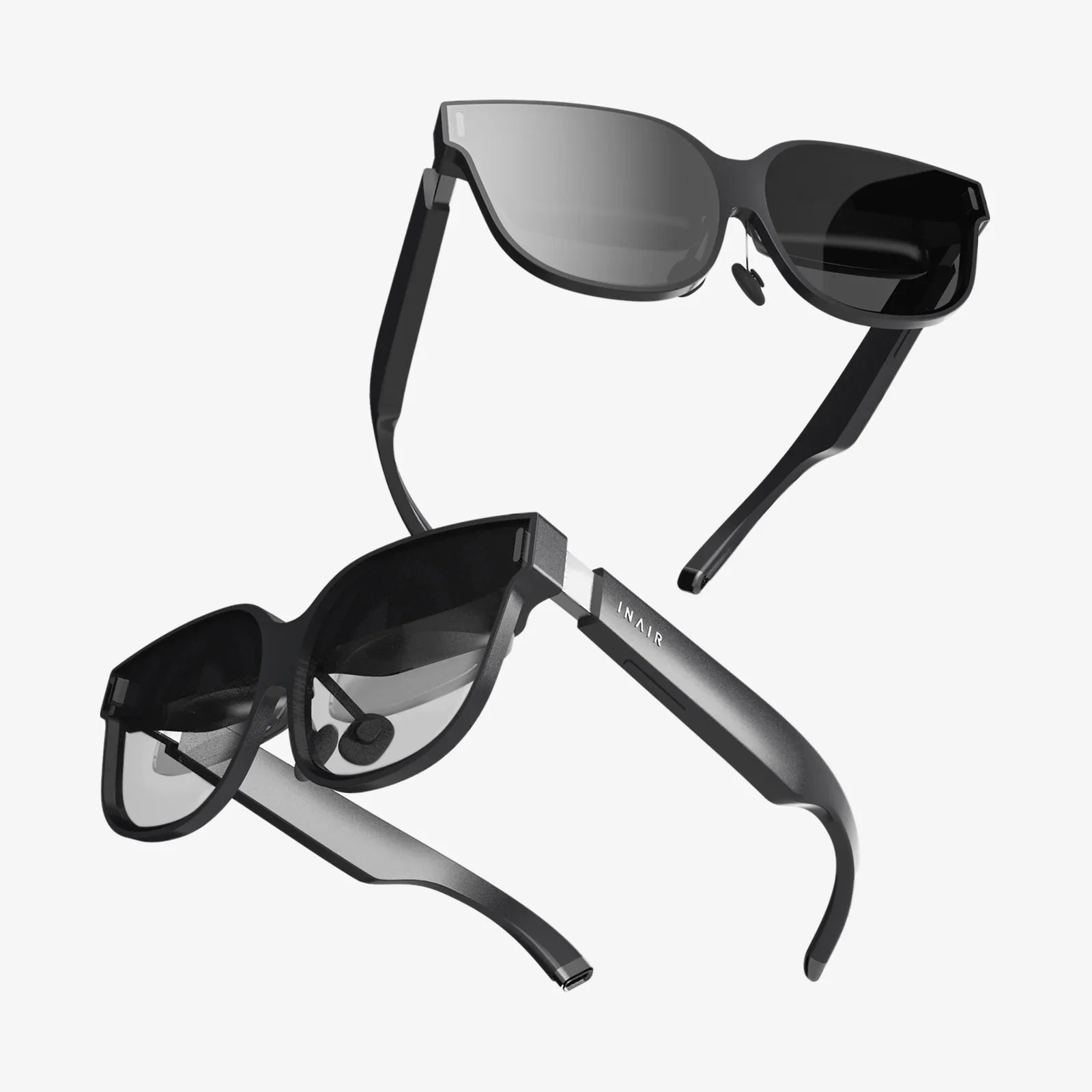
Imagine strapping on a lightweight visor and instantly being transported from your living room in Mumbai to the surface of Mars, the front row of a concert, or a virtual classroom—all without spending a fortune. This is no longer a distant sci-fi fantasy but a tangible reality for millions of Indians, thanks to the rapid evolution of budget VR headsets. The Indian market is currently experiencing a virtual reality revolution, not led by prohibitively expensive, high-end equipment, but by a wave of accessible, affordable technology designed for the masses. For students, gamers, explorers, and professionals alike, the gateway to immersive digital worlds is now wider open than ever before, promising experiences that were once the exclusive domain of elite tech enthusiasts. The question is no longer if you can afford to join the VR revolution, but which affordable portal is right for your journey.
The VR Landscape in India: Why Budget is Booming
The adoption of virtual reality technology in India follows a unique trajectory. Unlike Western markets where high-end PC-powered headsets initially drove growth, India's story is fundamentally linked to affordability and mobile penetration. With one of the world's largest smartphone user bases, the natural entry point for VR became the mobile-powered headset—a simple shell that leverages the powerful processor, high-resolution display, and sensors already in your pocket.
This mobile-first approach, combined with a growing appetite for immersive content in gaming, education, and real estate, has created a fertile ground for budget-friendly options. Indian consumers are famously value-conscious, seeking products that offer the best mix of features, quality, and price. Manufacturers and retailers have responded with a diverse array of headsets that cater to this precise demand, making India a key battleground in the global budget VR market.
Demystifying the Types of Budget VR Headsets
Not all VR headsets are created equal, especially in the budget category. Understanding the fundamental types is the first step to making an informed purchase.
1. Mobile VR Headsets (Smartphone-Based)
These are the true champions of the budget segment. Essentially, they are sophisticated holders for your smartphone. The headset contains lenses that split your phone's screen into two images (one for each eye) and use its internal gyroscope and accelerometer to track your head movements.
- How they work: You download VR apps and games onto your phone, slot it into the headset, and you're ready to go.
- Pros: Extremely affordable, no wires or external sensors required, huge library of free and cheap content, portable.
- Cons: Limited by your phone's processing power and battery life, less accurate tracking than advanced systems, potential for lower visual fidelity.
- Ideal for: VR beginners, casual gaming, 360-degree videos, virtual tours, and educational apps.
2. Standalone VR Headsets (All-in-One)
This category represents the sweet spot between mobile convenience and a more immersive experience. Standalone headsets have all the necessary computing power, displays, and sensors built directly into the unit. They operate independently, without needing a PC, console, or phone.
- How they work: They are self-contained systems with their own operating system, app store, and controllers. You charge them up and use them wirelessly.
- Pros: No need for a powerful phone or PC, superior performance and tracking compared to mobile VR, wireless freedom, dedicated software ecosystem.
- Cons: Pricier than mobile options, though many fall into the "budget" category, especially older or entry-level models.
- Ideal for: Users seeking a more dedicated and high-quality VR experience without a major investment, more serious gamers.
Key Features to Scrutinize Before You Buy
Navigating the specs of a budget VR headset can be confusing. Here’s what truly matters when you're evaluating your options.
Display and Resolution: The Window to the Virtual World
The quality of the display is paramount to avoiding discomfort and achieving immersion. For mobile VR, this is your phone's screen. Look for a smartphone with a high-resolution display (Full HD or, ideally, Quad HD or higher) and a high pixel-per-inch (PPI) density. This reduces the "screen door effect," where you can see the lines between pixels, which can break immersion. For standalone headsets, examine the per-eye resolution; a higher number generally means a sharper, clearer image.
Field of View (FOV): How Wide the World Is
Measured in degrees, the Field of View is how much of the virtual world you can see at any given moment without turning your head. A wider FOV (around 100 degrees or more) feels more natural and immersive, like looking through a scuba mask. A narrower FOV can feel like you're looking through a tunnel, which can detract from the experience. Most budget headsets offer a FOV between 90 and 110 degrees.
Tracking: How the Headset Follows Your Moves
This is how the headset understands your head and, if applicable, hand movements.
- 3-Degrees of Freedom (3DoF): Tracks rotational movement—pitching your head up and down, turning it left and right, and tilting it side to side. This is standard for most mobile VR headsets and is sufficient for watching 360-degree videos or playing simple games.
- 6-Degrees of Freedom (6DoF): The gold standard for immersive VR. It tracks rotational movement and positional movement—leaning forward, crouching, ducking, and walking around. This is what allows you to physically move within a virtual space. Most modern standalone headsets offer 6DoF tracking, which is a significant step up in realism.
Controllers: Your Hands in the Virtual Realm
While some mobile VR experiences use a Bluetooth gamepad or even just your head to select items, dedicated motion controllers are a game-changer. They allow you to interact with the virtual world intuitively—pointing, grabbing, throwing, and shooting. For standalone headsets, ensure the controllers are included and offer responsive, accurate tracking.
Comfort and Fit: For Long-Lasting Enjoyment
A VR headset is useless if it's uncomfortable to wear. Look for adjustable head straps (preferably an over-the-head halo design for better weight distribution), padded face cushions, and adjustable lenses for IPD (Interpupillary Distance—the distance between your eyes). Good weight balance is crucial to avoid straining your neck during longer sessions.
Where to Find the Best Deals in India
The Indian e-commerce ecosystem is the primary hunting ground for a great budget VR deal.
- Major E-commerce Platforms: Websites like Amazon India and Flipkart are the go-to destinations. They offer a vast selection, competitive pricing from various sellers, detailed user reviews, and the security of easy returns and reliable customer service. Always check the ratings and read through user reviews to gauge real-world performance and potential issues.
- Official Brand Websites: Some manufacturers sell directly to consumers through their Indian portals. This can sometimes yield good bundle deals or discounts during festival sales.
- Local Electronics Retailers: While less common for the variety found online, larger retail chains may carry popular models, allowing you to see the product physically before buying.
Pro Tip: Time your purchase around major sale events like Amazon's Great Indian Festival, Flipkart's Big Billion Days, or holiday seasons to snag the best possible discounts and bank offers.
Unlocking the Potential: What Can You Actually Do With a Budget VR Headset?
The hardware is just the beginning. The true value lies in the experiences it unlocks.
Gaming and Entertainment
This is the most popular application. From terrifying horror games and exhilarating space simulators to rhythm games that double as a workout, the library is vast. Platforms like YouTube host millions of 360-degree videos, allowing you to explore distant locations, attend events, or watch music videos from a whole new perspective. Apps dedicated to VR cinema can make it feel like you're watching a movie on a giant private screen.
Education and Training
VR is revolutionizing learning. Students can take a virtual field trip to the pyramids of Egypt, explore the human body from the inside, or conduct complex chemistry experiments in a safe, virtual lab. This immersive form of education enhances retention and understanding far beyond textbooks.
Virtual Tourism and Exploration
With travel restrictions and costs, VR offers an incredible alternative. Numerous apps are dedicated to letting you visit the world's greatest landmarks, museums, and natural wonders. It's a powerful tool for exploration and discovery from your home.
Social Connection and Metaverse Platforms
Social VR platforms are emerging where you can create an avatar, meet people from around the world, play games together, attend live events, or just hang out in virtual spaces. It represents a new frontier for social interaction on the internet.
Navigating the Challenges and Setting Realistic Expectations
It's crucial to enter the world of budget VR with the right mindset. You are not getting a $1000 experience for a fraction of the price. There will be compromises. The graphics might not be photorealistic; you might encounter some tracking jitter; the content library for standalone headsets, while growing, isn't as vast as its PC-based counterparts. Some users also experience motion sickness, especially in experiences with artificial locomotion. Start with stationary experiences and gradually build up your "VR legs."> The key is to see a budget headset for what it is: an astonishingly affordable ticket to a new form of digital experience, not a perfect simulation of reality.
The journey into virtual reality no longer requires deep pockets or technical expertise. Today's budget VR headsets have successfully democratized a technology that promises to reshape how we play, learn, and connect. For the curious Indian consumer, there has never been a better time to take that first, tentative step into a larger world. The vast digital frontier is waiting; all you need to do is choose your viewfinder and look up.
Share:
Top VR Headset for iPhone: Your Ultimate Guide to Mobile Virtual Reality
XR Real AR Glasses: The Unseen Revolution Reshaping Our World