


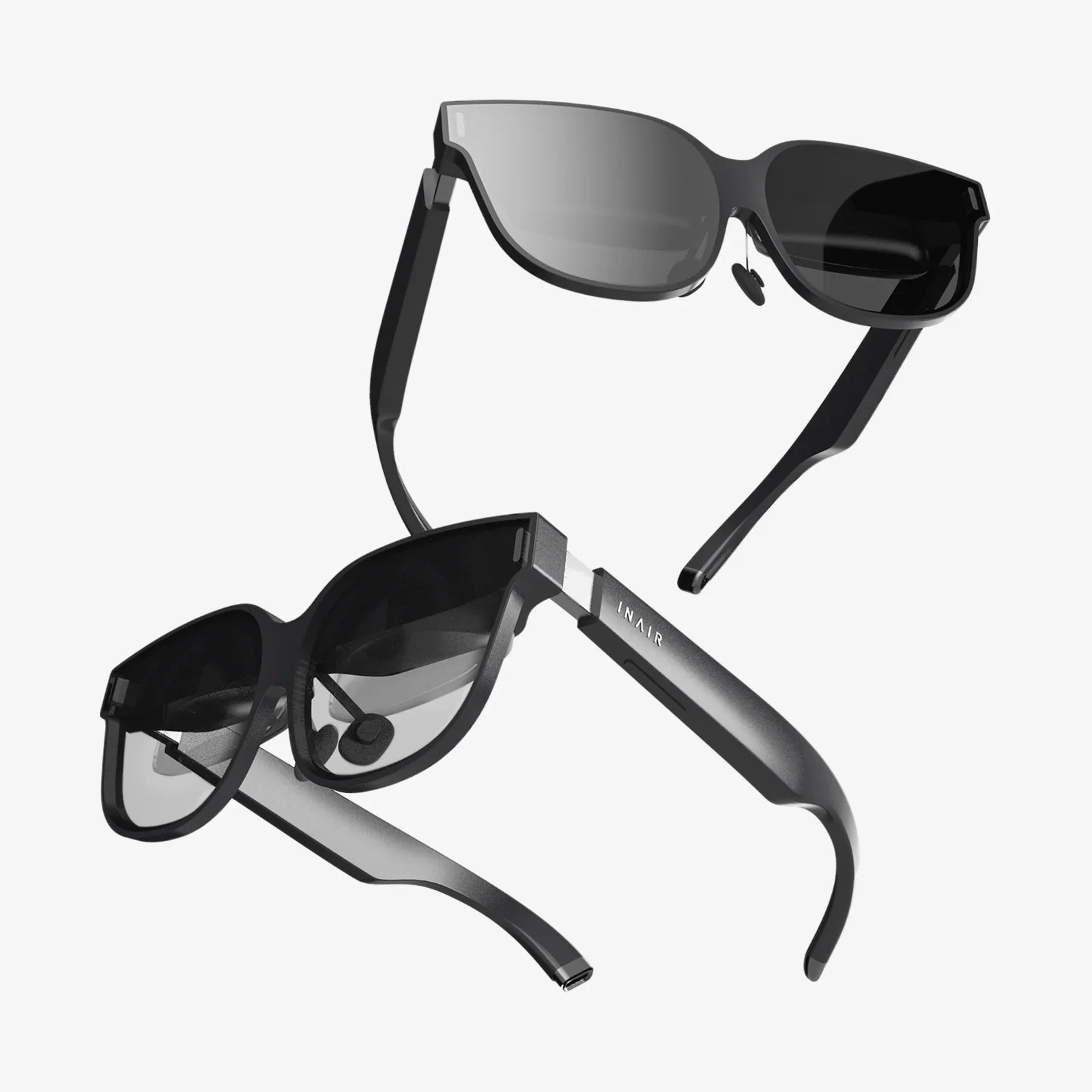
Imagine a world where the vast expanse of the internet is not confined to a screen in your hand or on your desk, but is seamlessly overlaid onto your reality, accessible with a simple glance or a quiet voice command. This is the tantalizing promise of internet-connected glasses, a concept that has leapt from the pages of science fiction into the realm of consumer technology. The question on many people's minds is no longer a matter of if such a technology is possible, but rather, how practical, powerful, and pervasive it has become. Can you truly cut the cord, put away your phone, and experience the web through a device that looks and feels like a regular pair of glasses? The answer is a fascinating and complex journey into the cutting edge of wearable computing.
The Technology Behind the Lenses: More Than Meets the Eye
At first glance, a pair of smart glasses might appear deceptively simple. The magic, however, lies in the sophisticated miniaturization of components packed into the frame and lenses. Unlike a traditional computer with a large central processing unit, the computing power in these devices is distributed. A tiny, efficient microprocessor acts as the brain, often paired with a dedicated connectivity chip for Wi-Fi and Bluetooth. This allows the glasses to connect to the internet either directly via a wireless network or by tethering to a smartphone, which acts as a modem and a secondary processing hub.
The most critical component is the display technology. There are several methods to project digital information onto the user's field of view. Some systems use Waveguide technology, where light is channeled through a transparent combiner lens placed in front of the eye. Micro-LEDs project images onto this combiner, which then reflects the light into the retina, creating the illusion of a screen floating in space. Another approach is Micro-OLED displays, which offer high brightness and contrast, projecting images directly onto a tiny screen that is magnified by a series of lenses. The ultimate goal is to achieve a high-resolution, full-color display that is bright enough for outdoor use yet doesn't obscure the real world, a concept known as augmented reality (AR).
User interaction is another engineering marvel. Without a keyboard or a large touchscreen, input methods must be intuitive and discreet. Advanced models employ a combination of:
- Voice Commands: Integrated microphones pick up speech, and sophisticated natural language processing algorithms interpret requests to search the web, send messages, or control apps.
- Touch-sensitive Stems: Swiping or tapping on the arm of the glasses allows for scrolling, selection, and playback control without needing to raise your hands.
- Gesture Recognition: Miniature cameras or sensors can detect subtle finger movements in the air near the frame, enabling a more immersive and hands-free interface.
- Head Tracking and Gaze Detection: By understanding where you are looking and how your head is moving, the system can navigate menus or select items with a lingering glance.
A World of Applications: Beyond Novelty
The ability to use the internet from glasses unlocks a multitude of applications that extend far beyond checking social media on the go. This technology has the potential to revolutionize numerous professional and personal domains.
Professional and Industrial Use Cases
In fields where hands-free operation is critical, smart glasses are a game-changer. A mechanic working on a complex engine can pull up schematics, instructional videos, or torque specifications without pausing to consult a manual or a tablet. A surgeon could have vital patient statistics, imaging results, or real-time guidance from a remote specialist visible during a procedure. Warehouse workers can see picking and packing instructions directly in their line of sight, dramatically improving efficiency and accuracy. The constant need to look down at a clipboard or screen is eliminated, reducing error and mental fatigue.
Everyday Navigation and Information
Imagine walking through a foreign city. Instead of holding up your phone and looking like a tourist, turn-by-turn navigation arrows are painted onto the sidewalk in front of you. Glance at a restaurant, and its reviews and today's specials pop up next to its sign. Look at a historical monument, and a brief history lesson materializes. This contextual, ambient information layer transforms how we interact with our environment, making the internet a natural extension of our perception rather than a separate destination.
Accessibility and Connection
For individuals with certain disabilities, this technology can be profoundly empowering. Real-time captioning of conversations for the hearing impaired can be displayed, making social interactions smoother. Those with low vision could use object recognition and audio descriptions to better navigate their surroundings. Furthermore, the ability to make video calls, see family photos, or receive messages without fumbling for a device can help older adults stay connected more easily, combating social isolation.
Navigating the Challenges: The Hurdles on the Horizon
Despite the exciting potential, the path to mainstream adoption of internet-connected glasses is fraught with significant challenges that developers and society must address.
Technical Limitations
The most immediate hurdle is battery life. Powering a display, processor, multiple sensors, and wireless radios on such a small device is a immense drain on energy. Users often face a choice between all-day battery life and full functionality, a compromise that can be frustrating. Display quality is another issue. Achieving a wide field of view, high resolution, and adequate brightness without the display being too bulky, too expensive, or too power-hungry remains a key engineering challenge. Furthermore, processing complex AR environments or advanced computer vision tasks requires significant computational power, which generates heat—a major problem for a device worn on the face.
The Social and Privacy Conundrum
Perhaps the most debated aspect is the 'social acceptance' of wearing cameras and displays on one's face. The concept of being recorded by someone's glasses during a private conversation is a legitimate privacy concern that has already sparked public backlash. The phenomenon of "Glassholes"—a term coined for users who are perceived as intrusive or obnoxious with the technology—highlights the social etiquette that has yet to be written. Manufacturers are addressing this with explicit recording indicators (like LED lights) and designs that make it clear when a camera is active, but public perception will take time to evolve.
Health and Safety Considerations
Staring at a screen, even a translucent one, for extended periods can cause eye strain and headaches, a phenomenon often called "digital eye strain." The long-term effects of having a light source so close to the eye are still being studied. There are also safety concerns, particularly when walking, driving, or cycling. If the digital overlay is too engaging, it could create a dangerous distraction, effectively causing the user to miss critical events in the real world. Ensuring that these devices augment reality without detracting from it is a critical design imperative.
The Future Vision: Where Do We Go From Here?
The current generation of internet-connected glasses represents just the beginning. The trajectory points toward even more seamless integration. Future iterations will likely feature:
- Improved Form Factors: Designs that are indistinguishable from fashionable eyewear, moving away from the bulky, tech-heavy look.
- Advanced AI Integration: On-device artificial intelligence that anticipates your needs, proactively providing information before you even ask for it.
- Haptic Feedback: Subtle vibrations in the frame to provide tactile confirmation of commands or notifications.
- Biometric Monitoring: Sensors to track health metrics like heart rate, blood oxygen levels, and even signs of fatigue, turning your glasses into a personal health guardian.
- 5G and Beyond: Ultra-low latency connectivity will enable complex, cloud-rendered AR experiences to be streamed directly to lightweight glasses, offloading processing demands.
The journey to perfecting internet-connected glasses is a marathon, not a sprint. It requires a delicate balance of technological innovation, thoughtful design, and the development of new social norms. The question is no longer can you use the internet from a set of glasses—because you absolutely can. The more compelling question now is: how will this invisible, always-available window to the digital world reshape our lives, our work, and our interactions with each other? The next time you see someone seemingly talking to themselves or gesturing at the air, they might not be lost in thought—they might simply be browsing the web, and the future is literally right before their eyes.
Share:
Why Won't My VR Headset Charge? A Comprehensive Troubleshooting Guide
Extended Reality Meaning: A Deep Dive Into The Future of Human-Computer Interaction