


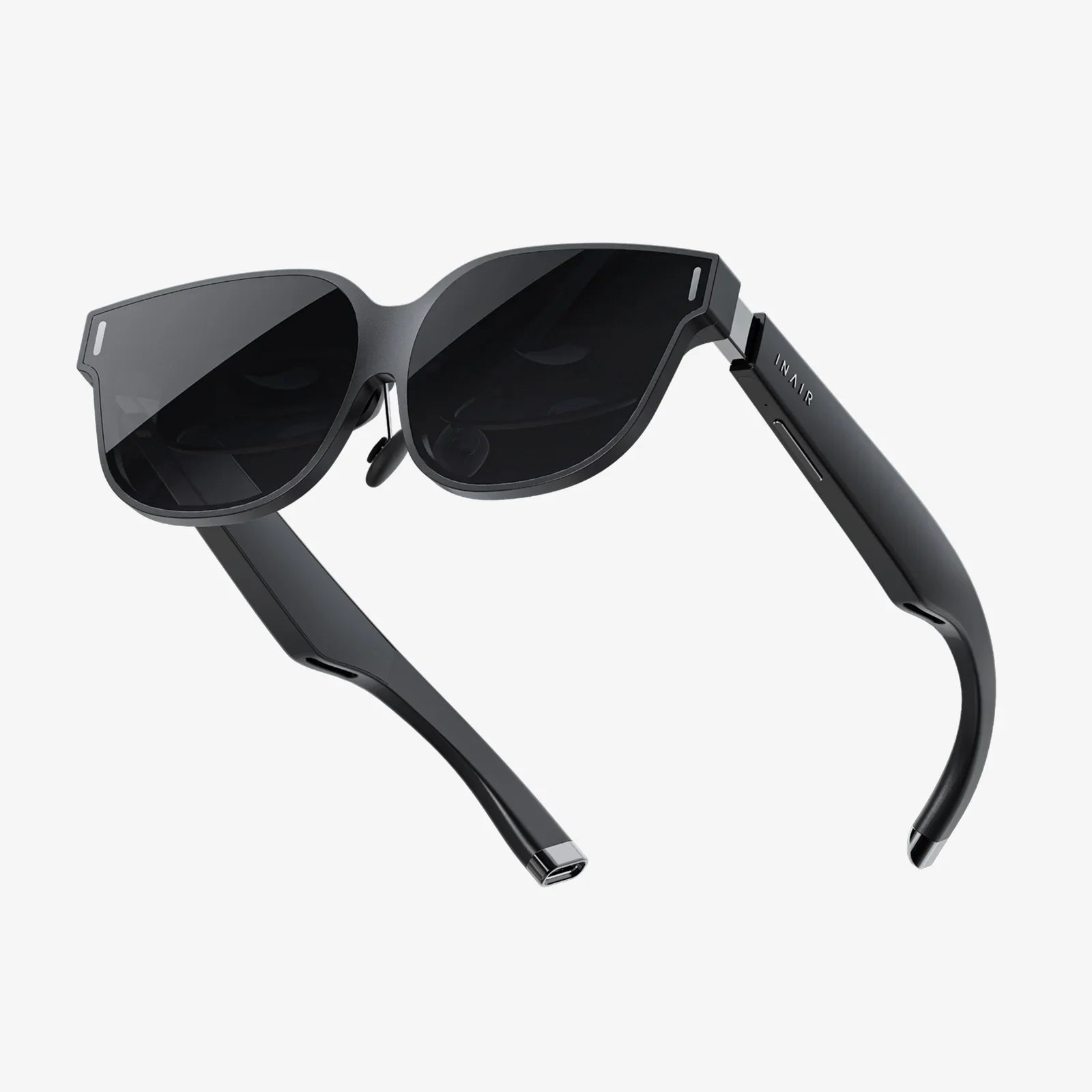
Imagine settling into the best seat in the house for the season finale of your favorite show. The screen is massive, the sound is impeccable, and the outside world has completely melted away. Now, imagine that this perfect theater exists not in a multiplex, but within a device you wear on your head. This is the promise and reality of watching TV on a VR headset, a concept that is rapidly evolving from a sci-fi fantasy into a compelling, everyday entertainment option. The question isn't just can you do it, but should you? The answer is a resounding and fascinating journey into the future of personal media consumption.
The Technical How: More Than Just a Screen on Your Face
At its most fundamental level, the answer to "can you watch TV on a VR headset?" is a simple and definitive yes. The technology is not only possible but has been a core feature of modern VR systems for several years. The methods for accessing your television content, however, vary in their approach and complexity.
Dedicated Streaming Applications
The most straightforward method is through official applications available on your headset's platform store. Major streaming services have recognized the growing VR user base and have developed dedicated VR applications. These apps are designed from the ground up to leverage the immersive potential of virtual reality. They often feature custom virtual environments, from a cozy modern apartment to a lavish theater, where the screen is the central focus. The experience is seamless, requiring little more than downloading the app, logging into your account, and pressing play.
The VR Web Browser
For services that do not have a dedicated VR app, the built-in web browser is your gateway. Modern VR browsers are surprisingly capable, allowing you to navigate to almost any website that offers streaming video content. You can log into your cable provider's portal, access network-specific sites, or use web-based versions of streaming platforms. The browser will typically project the video feed onto a large virtual screen within a neutral environment. While it may lack the curated ambiance of a dedicated app, it offers unparalleled flexibility and access to a near-infinite library of web-based content.
Desktop Mirroring and Virtual Desktops
This method is a favorite among tech enthusiasts for its power and versatility. Specialized software allows your VR headset to wirelessly connect to your personal computer. Instead of seeing a flat screen, this technology immerses you in a 360-degree recreation of your computer's desktop. You can open any media player, streaming service, or video file on your PC and watch it on a massive, virtual screen while still having access to your other PC applications. This is particularly powerful for watching locally stored media files or accessing services that have complex digital rights management (DRM) that might not work perfectly in a VR browser.
Social Viewing and Co-Watching
One of the most revolutionary aspects of VR television is the social dimension. Several platforms offer social spaces where you can invite friends—who are also in VR—to join you in a virtual theater. You each appear as an avatar, can sit together, and even chat with each other as if you were in the same room. This transforms watching TV from a solitary or parallel activity (like texting while watching) into a shared, communal experience, even if your friends are thousands of miles away. It replicates and, in some ways, enhances the social ritual of gathering around the television.
The Experiential Why: Beyond the Gimmick
Anyone can hold a phone up to their face. The true value of watching TV in VR lies in the qualitative shift in the experience. It’s not just about making the image bigger; it’s about changing your entire relationship with the content.
The Ultimate Big Screen Experience
The most immediate and obvious benefit is the sheer scale. A high-end headset can simulate the experience of sitting before a screen that is over 100 inches diagonally, if not larger. This is a screen size that is impractical and prohibitively expensive for most home setups. Whether you're watching a sweeping nature documentary or a high-octane action movie, the sense of scale and immersion is profoundly different from even a large flat-panel television.
Unmatched Immersion and Focus
In our modern world, watching TV is rarely just watching TV. It's a multitasking endeavor accompanied by scrolling on a phone, chatting on a laptop, or being interrupted by daily life. VR creates a sensory deprivation chamber for entertainment. When you put on the headset, you are making a conscious choice to focus solely on the content. The outside world, with all its distractions, disappears. This forced focus allows you to become more absorbed in the narrative, notice finer details in the cinematography, and form a deeper emotional connection to the story.
A Personalized and Private Theater
VR is the ultimate solution for personalized viewing. You are free to watch whatever you want, at whatever volume you want, at any time of day, without disturbing others in your household. It’s the perfect setup for night owls, parents putting kids to bed, or anyone living in a shared space. Furthermore, you have control over your environment. Don’t like the default virtual cinema? Change it to a beach at sunset or the bridge of a starship. The environment becomes part of the experience.
Practical Considerations and Current Limitations
While the future is bright, the present experience is not without its drawbacks. It's crucial to approach VR television with a realistic understanding of its current limitations.
Visual Fidelity and Resolution
This is the most significant hurdle. While VR displays have improved dramatically, the technology is still chasing the pixel density of a modern 4K television. The reason is simple: a TV's pixels are spread across a large screen that you view from several feet away. A VR headset's pixels are crammed into two small screens that are magnified by lenses and sit just centimeters from your eyes. The result is that even a 4K video stream might not look as razor-sharp as it does on a native 4K TV. You may perceive something known as the "screen door effect," where the faint lines between pixels are visible. For most narrative content, this becomes less noticeable after a short period of acclimation, but it remains a key area for improvement.
Comfort and Ergonomics
Headsets have become lighter, but they are still a piece of hardware strapped to your face. Watching a two-hour movie requires a comfortable headset and a comfortable seating position. Not all devices are created equal in this regard. Neck strain, pressure on the face, and general fatigue can be a factor for longer viewing sessions. This is a rapidly improving area of design, with newer headsets prioritizing balance and weight distribution for multi-hour use.
The Isolation Factor
The very immersion that makes VR great can also be a social negative in a physical space. Watching TV is often a shared activity with family or partners in the same room. VR inherently isolates you from the people physically around you. While social VR apps solve this for remote friends, they don't help if your partner is sitting on the couch next to you. It can feel antisocial, making it better suited for personal viewing time rather than replacing the shared living room television.
The Future of Television is Virtual
The trajectory of the technology points toward a future where many of today's limitations are solved. Advancements in micro-OLED displays promise incredible pixel density that will finally surpass the clarity of traditional screens. Pancake lenses are making headsets slimmer and more comfortable. The concept of "passthrough AR"—using cameras to blend the real world with virtual elements—hints at a future where you could place a virtual TV on your real wall and watch with your family, who are also wearing AR glasses, thus ending the isolation dilemma.
Beyond just replicating a flat screen, the future lies in truly immersive, volumetric, and interactive content. Imagine not just watching a detective show, but standing in the virtual recreation of the crime scene, looking for clues yourself. Or watching a concert from the perspective of being on stage with the band. This is the true endgame for VR as a entertainment medium: not just a screen replacement, but a new form of storytelling altogether.
So, can you watch TV on a VR headset? Absolutely. You can access an enormous library of content through various convenient methods. But the more compelling question is what you gain from the experience. You gain an unparalleled level of immersion, a distraction-free zone for focused enjoyment, and a private theater that fits on your head. While the technology still has room to grow in terms of comfort and absolute visual fidelity, it already offers a genuinely transformative way to experience television and film. For the cinephile craving a big-screen experience at home, the tech enthusiast eager to explore the cutting edge, or simply someone who wants to get the most out of their viewing time, the virtual cinema is open for business, and the best seat in the house is waiting for you.
Share:
What's the Best VR Headset Right Now? A 2024 Buyer's Deep Dive
Is a VR Headset Bad for Your Eyes? An In-Depth Look at the Science and Safety