


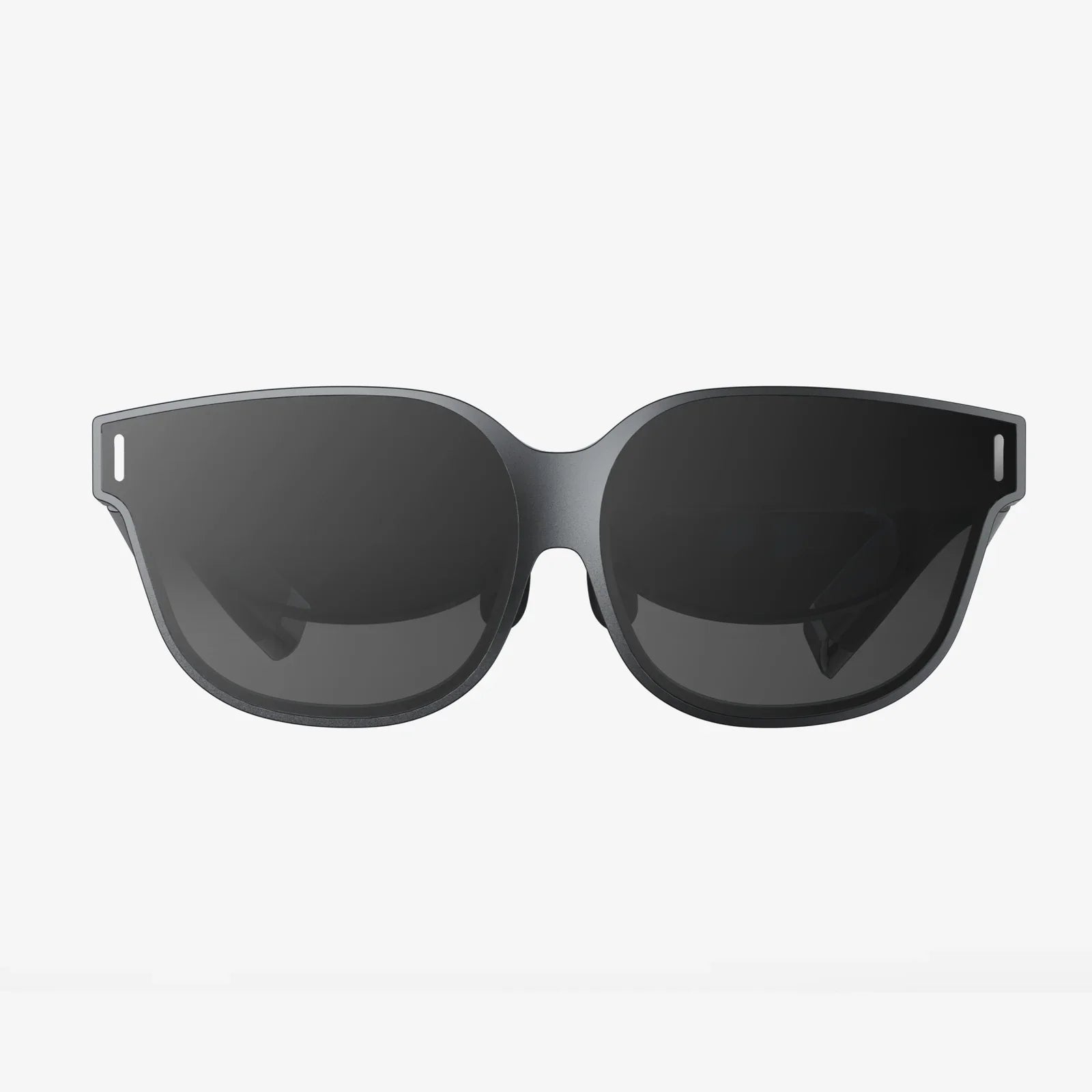
You've seen the futuristic ads, heard the buzz from friends, and maybe even tried one on yourself—but a nagging question holds you back from fully diving into the virtual world: is strapping a screen mere inches from your eyes actually safe? The concern is legitimate and shared by millions. As virtual reality technology leaps from science fiction to mainstream entertainment, education, and even professional training, understanding its true impact on our most precious sensory organs is more critical than ever. Let's pull the headset away from the hype and peer into the science, the myths, and the practical realities of VR and ocular health.
The Human Eye: A Marvel of Biological Engineering
To understand how VR interacts with our eyes, we must first appreciate how vision works in the natural world. Our eyes are not simple cameras; they are complex, dynamic organs that work in concert with the brain to create our perception of reality. Two key processes are essential for clear, comfortable vision: accommodation and vergence.
Accommodation is the process by which the eye's lens changes shape to focus on objects at different distances. To focus on something close, the ciliary muscles contract, making the lens rounder. To focus on something far away, these muscles relax, flattening the lens.
Vergence is the coordinated movement of both eyes inward (convergence) or outward (divergence) to ensure a single, fused image of an object. When you look at your nose, your eyes converge strongly; when you gaze at the horizon, they diverge.
In the real world, these two processes are perfectly linked—a phenomenon known as the accommodation-vergence reflex. Your brain seamlessly synchronizes focusing and eye pointing, a harmony developed over millions of years of evolution. This natural, hardwired link is the cornerstone of comfortable stereoscopic vision, and it's precisely this link that VR technology challenges.
The Core Conflict: Vergence-Accommodation Breakdown
This is the central, inescapable optical challenge presented by current consumer VR and AR headsets. Here’s the problem: A VR headset uses a pair of lenses placed between your eyes and two two-dimensional screens. These lenses bend the light from the screens, making the images appear to come from a distance—typically a fixed focal distance of around two meters.
However, the content within the virtual world can be anywhere. You might be looking at a virtual character standing right in front of you (requiring your eyes to converge) while your eyes are still physically focused at the headset's fixed focal plane of two meters. Your brain receives conflicting signals: your vergence system says "focus close," but your accommodation system is locked into focusing at the fixed distance of the display.
This decoupling of two naturally paired processes is known as Vergence-Accommodation Conflict (VAC). For many users, especially first-timers, this conflict is the primary source of eye strain, discomfort, headaches, and even nausea—a collection of symptoms often grouped under the term "cybersickness." The brain struggles to reconcile the mismatch, leading to fatigue. It's an unnatural visual experience that our biology isn't evolved to handle for extended periods.
Beyond the Conflict: Other Common Causes of Discomfort
While VAC is the main technological hurdle, several other factors contribute to the potential for eye strain in VR.
Digital Eye Strain (Computer Vision Syndrome)
The same issues that plague us after a long day at a computer monitor are amplified in VR. Users tend to blink less frequently when engrossed in digital content, leading to dry, irritated eyes. The intense concentration required can cause the ciliary muscles responsible for accommodation to become fatigued. Furthermore, the proximity of the screens, even with lens correction, demands sustained effort from the eye's focusing system.
Visual Quality and the "Screen Door Effect"
Early-generation headsets were notorious for their low resolution and the visible space between pixels, known as the screen door effect. While modern headsets have vastly improved, any imperfection in the display—whether low resolution, poor contrast, or persistence (a faint ghosting of images)—forces the eyes and brain to work harder to interpret the scene, accelerating fatigue.
Improper Fit and Calibration
A headset that is improperly fitted is a direct path to discomfort. If the headset sits too low, too high, or is too tight, it can cause pressure headaches. More importantly, if the Interpupillary Distance (IPD)—the distance between the centers of your pupils—is not correctly calibrated to the headset's lenses, the image will be blurry and cause immediate strain as your eyes fight to achieve fusion. Proper IPD adjustment is not a luxury; it is a necessity for clear and comfortable VR.
Intense and Flickering Light
VR environments are often filled with bright, flashing lights and rapid movement. While modern displays use high refresh rates to minimize perceptible flicker, some individuals remain sensitive to these rapid light changes, which can trigger headaches and migraines.
Debunking the Myths: Separating Fear from Fact
Amidst the genuine concerns, several myths about VR and eye damage persist, often causing unnecessary alarm.
Myth: VR Will Permanently Damage Your Eyesight
There is currently no scientific evidence to suggest that short or medium-term use of modern VR headsets causes permanent damage to the structure or function of the eyes in adults. The discomfort experienced is typically temporary, akin to the muscle fatigue felt after a long drive or a strenuous workout. The symptoms of eye strain and cybersickness, while unpleasant, are not indicative of lasting harm.
Myth: VR Is Just Like Sitting Too Close to the TV
This old parental warning is based on a misunderstanding. Sitting close to a traditional television might cause temporary eye fatigue, but it does not cause permanent damage. The concern originally stemmed from early TVs that emitted low levels of radiation, which is not an issue with modern screens. VR is different because of the VAC and the immersive nature of the experience, but the core idea remains: it causes temporary strain, not permanent injury.
Myth: VR Will Make You Go Blind
This is a complete fabrication with no basis in ophthalmology or science. VR cannot cause blindness. The technology does not emit any type of radiation or energy that could destroy photoreceptors in the retina or damage the optic nerve.
A Special Consideration: Children and VR
The conversation shifts significantly when it comes to children. The visual system in children is not fully developed and continues to mature until around the age of 13. The potential impact of prolonged VAC on a developing visual system is a legitimate area of ongoing research.
Most headset manufacturers explicitly advise against their use by young children (often setting a minimum age of 10-13). The concern is not proven damage, but the unknown effects of potentially altering the natural development of visual skills like depth perception and eye coordination. The principle of precaution is strongly advised. Parents should strictly adhere to age guidelines, severely limit session times for older children, and prioritize real-world play for visual development.
The Future is Clearer: Technological Advancements
The industry is acutely aware of the visual comfort challenges and is investing heavily in solutions. The next generation of headsets is already addressing these core issues:
- Varifocal and Light Field Displays: These are the holy grail for solving VAC. Experimental systems use eye-tracking to determine exactly where you are looking in the virtual space and then mechanically or electronically adjust the focus of the lenses in real-time, dynamically matching vergence with accommodation just like in the real world.
- Increased Resolution and Higher Refresh Rates: As displays approach "retina" quality within the headset and refresh rates push to 120Hz and beyond, the visual experience becomes more lifelike and less taxing on the eyes, reducing strain.
- Improved Optics and Software: Advanced lens designs that minimize distortion and software that corrects for optical imperfections are becoming standard, creating a sharper, more comfortable image.
Your Eyes in VR: A Practical Guide to Safe and Comfortable Use
You don't have to wait for future tech to enjoy VR safely today. Adopting smart habits can virtually eliminate discomfort.
- Take Regular Breaks: This is the single most important rule. Follow the 20-20-20 rule: every 20 minutes, take a 20-second break and look at something at least 20 feet away. This allows your ciliary muscles to relax and your vergence system to reset.
- Calibrate Meticulously: Never skip the IPD adjustment. Take the time to slide the lenses or use the software tool to ensure the image is perfectly clear for each eye. Adjust the headset strap for a secure but comfortable fit.
- Keep It Clean: Smudges and dust on the lenses force your eyes to work harder. Use a microfiber cloth to clean them regularly.
- Blink Consciously: Remind yourself to blink fully and frequently to keep your eyes lubricated.
- Start Slowly and Listen to Your Body: Begin with short, 15-30 minute sessions. If you feel any eye strain, dizziness, or nausea, stop immediately. Do not "power through" the discomfort. Your tolerance will naturally increase over time.
- Optimize Your Environment: Ensure the physical room is well-lit to reduce contrast between the bright headset and darkness, and play in a safe, clear space to avoid anxiety and tension.
- Consult a Professional: If you have a pre-existing eye condition like strabismus, severe amblyopia, or are prone to migraines, consult an eye care professional before using VR.
So, is the fear that a VR headset is bad for your eyes the final word? Not exactly. The reality is more nuanced than a simple yes or no. The technology presents a unique challenge to our visual system through Vergence-Accommodation Conflict, which can undoubtedly lead to significant temporary discomfort, eye strain, and cybersickness. However, the specter of permanent damage for adults is, based on all current research, a myth. The true risk lies not in catastrophic damage but in misuse and overuse. By understanding the science behind the strain, respecting the technology's limits, and adopting a disciplined approach to its use—prioritizing breaks, perfect calibration, and listening to your body—you can confidently explore the incredible potential of virtual worlds without sacrificing the health of your very real eyes. The future of VR is not just about more immersive worlds, but about creating ones that are in perfect harmony with human biology.
Share:
Can You Watch TV on a VR Headset? The Ultimate Immersive Viewing Guide
Extended Reality Market: A Comprehensive Deep Dive into the Future of Immersive Technology