


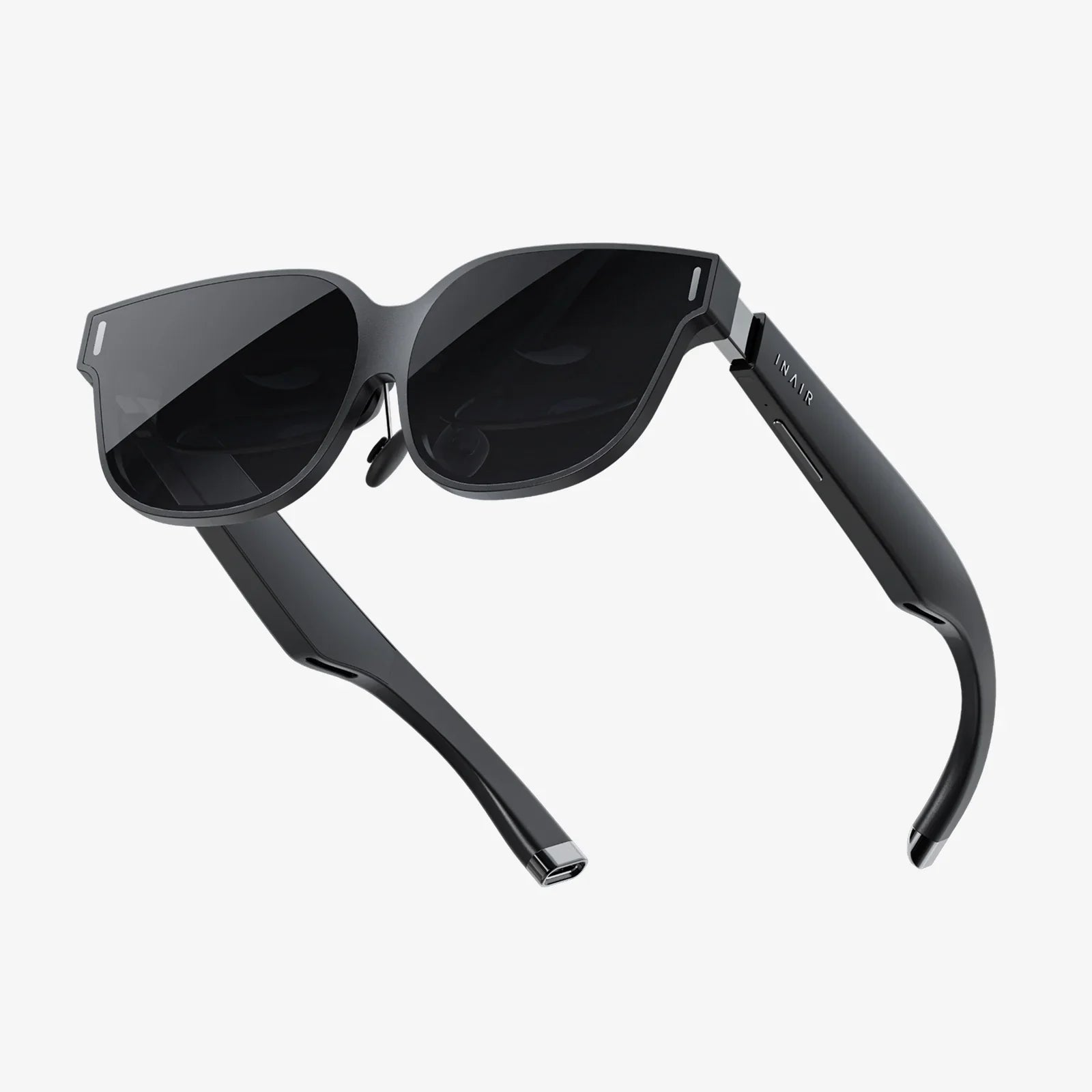
- by wangfred
Cheaper Wearable Devices: The Democratization of Health and Connectivity
- by wangfred
Remember when a high-tech wristwatch felt like something from a sci-fi movie, a luxury reserved for elite athletes or tech moguls? That world is gone. Today, a quiet revolution is strapping itself to wrists everywhere, not with a hefty price tag, but with unprecedented accessibility. The era of cheaper wearable devices is here, and it’s fundamentally reshaping how we interact with technology, manage our health, and connect with the world around us. This isn't just about saving money; it's about the democratization of data and the empowerment of the individual on a global scale. Dive in to discover how the drop in cost is fueling a massive surge in innovation and adoption, breaking down barriers and putting the future of personal technology within everyone's reach.
The journey from expensive niche gadget to affordable mainstream accessory is a fascinating story of technological maturation and market forces. Several key factors have converged to make cheaper wearable devices a reality.
Initially, wearable technology was produced in limited quantities. Components were custom-made, assembly lines were novel, and the research and development costs were enormous. As consumer interest exploded, manufacturers ramped up production to levels previously unimaginable. This massive scale drives down the per-unit cost of components through bulk purchasing. Furthermore, manufacturers, particularly in global tech hubs, have perfected the assembly process, achieving efficiencies that significantly reduce labor and production costs. The initial high cost of setting up a supply chain for a new product category has been amortized over hundreds of millions of units, allowing for drastic price reductions in subsequent generations.
The heart of any wearable is its silicon. The rapid evolution of microcontroller units (MCUs) and systems on a chip (SoCs) has been breathtaking. These chips have become exponentially more powerful, energy-efficient, and, crucially, cheaper to produce. Sensor technology is another area of dramatic price erosion. Accelerometers, gyroscopes, and optical heart rate monitors were once costly pieces of precision engineering. Today, they are miniaturized, mass-produced, and incredibly inexpensive, allowing even the most budget-friendly devices to pack a impressive array of tracking capabilities. Similarly, improvements in battery technology and the proliferation of low-energy connectivity options like Bluetooth have removed significant cost barriers.
The wearable market is fiercely competitive. With numerous players vying for consumer attention, price becomes a primary battleground. This competition forces continuous innovation and cost optimization. Many companies also employ a tiered strategy: offering a high-end, feature-packed flagship model while simultaneously launching a more affordable version that captures the essential functions. The goal for many isn't necessarily to make a large profit on the hardware itself but to onboard users into a broader ecosystem. A cheaper device acts as a gateway, collecting valuable aggregated health data, driving engagement with companion software platforms, and fostering brand loyalty for future purchases.
Cheaper does not have to mean cheaply made or devoid of features. The definition of a "budget" wearable has been completely rewritten.
Modern affordable wearables deliver a stunning array of core features that were premium just a few years ago. Users can expect:
The notion that a lower price means a clunky, unattractive device is outdated. Manufacturers now offer a wide range of styles, band materials (from silicone to metal mesh), and colorful, high-resolution displays. The build quality has improved dramatically, with many devices featuring durable polymers and scratch-resistant glass, making them suitable for daily wear and tear.
The proliferation of cheaper wearable devices is creating waves far beyond the tech industry, impacting healthcare, wellness, and social dynamics.
This is arguably the most significant impact. For a minimal investment, millions of people now have a window into their own physiology. They can track resting heart rate trends, monitor sleep quality, and be alerted to potential irregularities like unusually high heart rates while at rest. This fosters a profound sense of body awareness and empowers individuals to take a more proactive role in their health. It encourages conversations with healthcare professionals based on data, not just symptoms, potentially leading to earlier interventions and better preventative care on a population level.
Wearables have turned fitness into a game. Step goals, achievement badges, and social challenges with friends create powerful motivators. The accessibility of cheaper devices means this motivational tool is available to a much wider socioeconomic group, helping to combat sedentary lifestyles. It makes fitness engaging and data-driven, providing tangible feedback that encourages people to move more, which has positive implications for public health issues like obesity and heart disease.
While smartphones are ubiquitous in many areas, they are not universal. A cheaper wearable can serve as a more accessible and simpler point of entry into the digital world for some demographics, like older adults or younger children. It provides crucial connectivity—receiving messages and calls from family—without the complexity or cost of a full smartphone, helping people stay connected and safe.
While the value proposition is strong, consumers should be aware of the compromises often associated with cheaper wearable devices.
This is the most common trade-off. The optical heart rate sensors in budget devices can be susceptible to errors during high-intensity interval training or activities with significant wrist movement. They are generally considered excellent for tracking trends over time but should not be relied upon for clinical-grade medical diagnosis. Sleep tracking, while insightful, is an estimate based on movement and heart rate patterns, not a precise measurement of brain activity.
Premium brands often provide years of software updates, introducing new features and, crucially, security patches. Some cheaper manufacturers may not have the same commitment to long-term support, potentially leaving devices vulnerable or stagnant after a year or two. The companion smartphone apps can also vary greatly in terms of user experience, data presentation, and stability.
While design has improved, the materials used will differ. A cheaper device might use a lower-grade aluminum alloy or polymer compared to the titanium or sapphire crystal of a premium model. The water resistance rating might be lower, and warranty support may be less comprehensive.
The trend toward more capable and cheaper wearable devices is not slowing down; it's accelerating. We can expect several key developments in the near future.
Research is ongoing into non-invasive sensors that can measure blood glucose, blood pressure, and even detect early signs of illness like fever or atrial fibrillation. As these technologies mature and become cheaper to produce, they will inevitably trickle down into affordable devices, transforming them from fitness trackers into genuine health guardians.
Artificial intelligence will move beyond simple activity recognition. Future devices will learn individual patterns and provide hyper-personalized insights and recommendations. They might suggest the optimal time for a workout based on your recovery rate, recommend winding down for bed based on stress levels, or provide tailored nutritional advice.
The market will likely see a expansion of specialized, ultra-affordable wearables. Think minimalist rings dedicated solely to sleep and recovery, or discreet patches for continuous temperature monitoring. This will allow consumers to choose devices that cater to specific needs without a significant financial outlay.
The true power of cheaper wearable devices isn't found in their specs or their price, but in their proliferation. They are quietly building a unprecedented global dataset of human health, normalizing the act of self-tracking, and making proactive wellness a habit for the masses. This isn't just a shift in the tech market; it's a cultural shift towards quantified self-awareness, available to all. The wristwatch of the future won't be a symbol of status, but a universal tool for a healthier, more connected life. The revolution isn't coming; it's already on your wrist, and it's more affordable than you ever thought possible.
Share:
Smart Wearable Devices in India: A Digital Revolution on the Wrist
AI Studio: The Future of Creative and Technical Innovation