


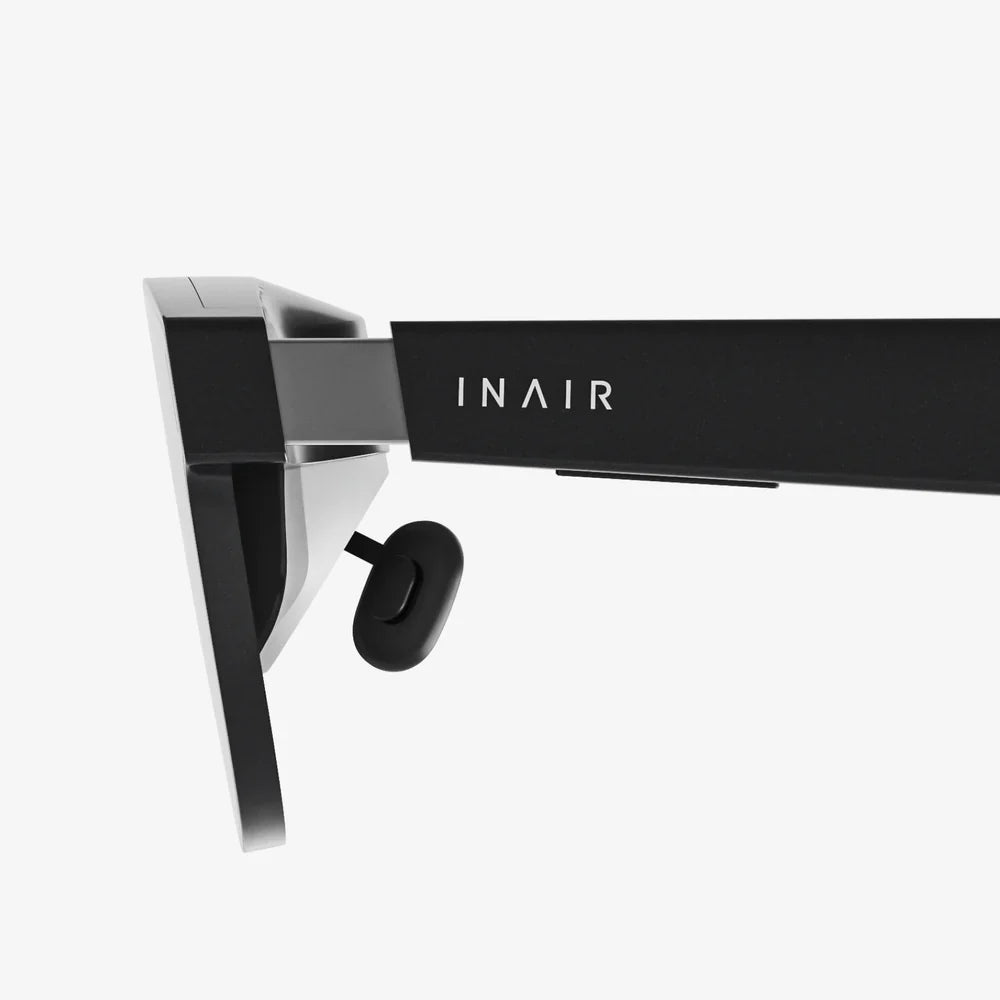
Imagine stepping into a breathtaking virtual world, from the comfort of your living room, without your wallet needing a reality check. The dream of affordable, high-quality virtual reality is no longer a distant fantasy—it's the driving force behind the 2025 market. For years, VR was a luxury hobby, a technological marvel with a price tag to match. But a seismic shift is underway. This year, the quest for the cheapest VR headset price in 2025 is not about finding a flimsy toy; it's about discovering genuinely impressive technology that delivers an immersive experience at a cost that finally makes sense for everyone. The barrier to entry is crumbling, and a new digital frontier is opening up. Are you ready to dive in?
The 2025 VR Landscape: Why Prices Are Plummeting
The race to the bottom in VR pricing isn't happening by accident. It's the result of several converging technological and market forces that have finally reached a tipping point. Understanding these factors helps explain why today's budget headsets are so much more capable than their predecessors from just a few years ago.
First and foremost is the maturation of display technology. The high-resolution, fast-switching LCDs and emerging micro-OLED panels that were once exclusive to premium models have seen massive economies of scale. Manufacturing yields are up, and costs are down, meaning even entry-level devices can boast crisp, clear visuals that minimize the dreaded "screen door effect" that plagued early adopters.
Secondly, the processing power required for a compelling VR experience is no longer locked inside expensive external computers or consoles. The proliferation of powerful, energy-efficient mobile chipsets has been a game-changer. Standalone headsets now contain surprisingly capable processors that can handle complex environments and smooth gameplay without tethering to a several-thousand-dollar PC. This elimination of a mandatory high-end host device is the single biggest factor in reducing the total cost of ownership for new users.
Finally, intense competition has fueled a price war. With several major tech giants and a host of innovative startups vying for market share, the consumer is the ultimate winner. Companies are aggressively competing on price to build their user bases and ecosystems, knowing that revenue from software and content sales will drive long-term profitability. This has created a market where features trickle down at an astonishing rate, making advanced capabilities like inside-out tracking, hand tracking, and pancake lenses standard fare even on budget-friendly models.
Defining "Cheap" in the 2025 VR Market
Before diving into the specifics, it's crucial to define what "cheapest" actually means in the current VR context. Price is only one part of the value equation. A headset's cost must be evaluated against its features, performance, and intended use.
In 2025, the budget VR market can be broadly segmented into three tiers:
- Ultra-Budget (The Entry Point): This tier encompasses the most affordable new headsets on the market, typically ranging from very accessible price points. These are almost exclusively standalone devices focused on mobile-grade VR experiences, media consumption, and casual gaming. They represent the absolute lowest cost of entry.
- Value Champions (The Sweet Spot): This is where most buyers will find the best balance of price and performance. Devices in this range often borrow features from flagship models—such as higher refresh rates, better resolution, and improved controllers—while keeping the price aggressively competitive. They offer a truly compelling experience without flagship costs.
- Refurbished & Previous-Gen (The Bargain Hunter's Paradise): Don't overlook the market for certified refurbished headsets or previous-generation models that are still receiving software support. As new generations are released, last year's flagship often becomes this year's incredible value, offering high-end features at a mid-range price point. This can be one of the smartest ways to acquire a premium VR experience on a strict budget.
Key Features to Prioritize (And What to Sacrifice) on a Budget
When shopping for the most affordable option, you must make strategic compromises. The key is to know which features are essential for your enjoyment and which are nice-to-haves you can live without.
Don't Compromise On:
- Display Resolution & Lens Clarity: This is your window into the virtual world. Prioritize a per-eye resolution that is considered the current standard. Blurry visuals are the fastest way to break immersion and can contribute to discomfort. Look for terms like "pancake lenses" for better clarity and a larger "sweet spot."
- Comfort and Adjustability: A cheap headset that is painful to wear is a waste of money. Ensure the headset has adequate padding, a balanced weight distribution, and adjustable straps (ideally a rigid, halo-style or elite-style strap). Poor comfort is a primary reason VR headsets gather dust on shelves.
- Tracking Quality: The headset's ability to track its own position in your room (inside-out tracking) and the controllers' positions in your hands is non-negotiable. Jittery or laggy tracking ruins experiences and can cause nausea. All modern standalone headsets have good tracking, but read reviews to ensure the system is robust.
You Can Compromise On:
- Refresh Rate: While a 90Hz or 120Hz refresh rate is buttery smooth, a solid 72Hz or 80Hz mode is perfectly acceptable for most casual experiences and will be unnoticeable to many new users. This is a common area where manufacturers cut costs.
- Field of View (FOV): Premium headsets offer a very wide FOV that fills your peripheral vision. Budget models will have a more standard FOV, which can feel like looking through binoculars. It's noticeable if you're used to better, but for newcomers, it's quickly forgotten once you're engaged in an experience.
- Built-in Storage: 64GB might feel limiting for a power user who wants to install dozens of large games simultaneously. For a casual user, however, it's often sufficient, especially with the ability to uninstall and reinstall games as needed. Opting for a lower storage model is a classic way to save money.
- Premium Materials: Budget headsets will use more plastic and less metal and glass. This is a perfectly acceptable trade-off for a lower price, as it primarily affects aesthetics and perhaps a slight increase in weight.
Where to Find the Best Deals in 2025
Finding the lowest price requires more than a quick search on a single website. The VR market is dynamic, and prices fluctuate frequently based on promotions, new product launches, and holiday sales.
- Official Online Stores: Always start here. Manufacturers often offer direct discounts, especially during major sales events like Black Friday, Cyber Monday, or Prime Day. Signing up for newsletters can sometimes yield exclusive discount codes.
- Major Retailers: Large online and brick-and-mortar electronics retailers are highly competitive. Use price comparison tools and browser extensions to track historical pricing and get alerts when the price drops on your desired model.
- The Refurbished Market: As mentioned, this is a goldmine. Manufacturer-certified refurbished units are typically repaired, tested, and come with a warranty, offering peace of mind alongside significant savings. Retailers often have dedicated sections for these products.
- Bundle Deals: Often, the best value isn't in the headset itself but in a bundle that includes the headset, popular games, and accessories. If the bundled items are things you would buy anyway, the effective price of the headset can be much lower.
Looking Beyond the Headset: The Hidden Costs of VR
The price tag on the headset is just the beginning. To avoid sticker shock later, a savvy buyer must factor in the total cost of entry.
- Software and Games: While many headsets come with a few free experiences, the best games and apps cost money. Budget anywhere from a few dollars for simple experiences to a significant amount for full-fledged AAA titles. Keep an eye out for free-to-play games and robust demo libraries.
- Essential Accessories: The most common necessary accessory is a better facial interface (foam replacement) for hygiene and comfort, and often a more supportive head strap. These can dramatically improve the experience of a budget headset for a relatively small additional investment.
- Optional Accessories: These include things like rechargeable battery packs for the controllers, prescription lens inserts if you wear glasses, VR covers, and dedicated carry cases. None are strictly mandatory, but they enhance the experience.
The Future is Now, and It's Affordable
The trajectory of virtual reality is clear: better, cheaper, and more accessible. The cheapest VR headset price in 2025 doesn't represent a low-quality gateway drug; it represents the democratization of a revolutionary technology. The innovations pioneered in multi-thousand-dollar development kits a decade ago are now available to the masses for a fraction of the cost. This influx of users will, in turn, drive more software development, creating a virtuous cycle that benefits everyone in the ecosystem. We are moving beyond the early adopter phase and into the era of mainstream virtual reality.
Your journey into virtual worlds no longer requires a second mortgage. With careful consideration of your needs, a strategic approach to features, and a keen eye for a genuine deal, you can claim your piece of the virtual frontier. The technology has matured, the prices have fallen, and the experiences are waiting. The only question that remains is, what will you explore first?
Share:
VR Headset for PC UK: The Ultimate 2024 Buyer's Guide to Immersive Gaming
VR Headset Flickering: A Comprehensive Guide to Causes, Fixes, and Prevention