


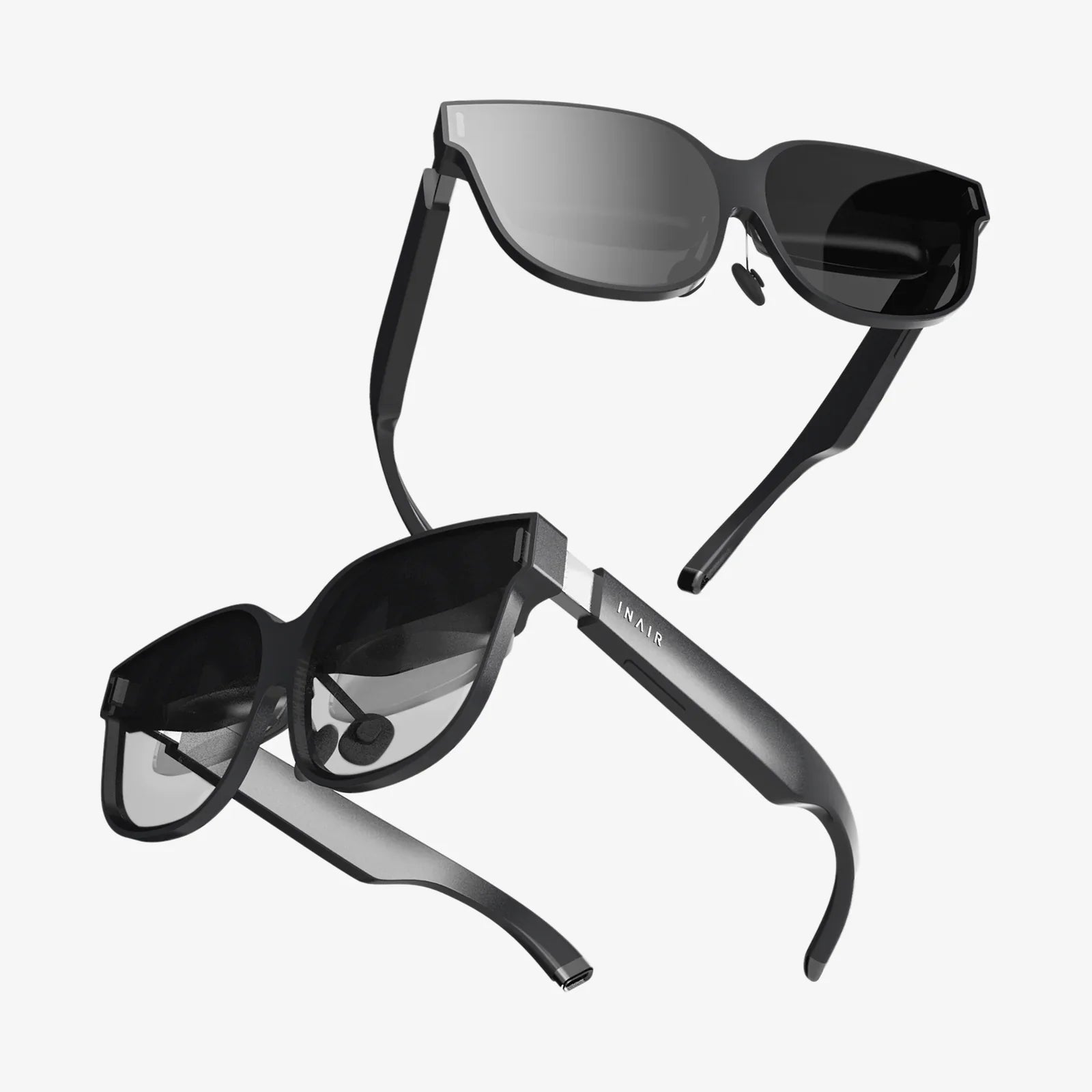
Imagine stepping through a portal into another world, your physical surroundings melting away to be replaced by breathtaking alien landscapes, the cockpit of a starfighter, or a meticulously recreated historical site. This is the promise of virtual reality, and for UK-based PC enthusiasts, it's an experience more accessible and awe-inspiring than ever before. The quest for the perfect VR headset for your powerful desktop rig is a journey into the future of interactive entertainment, productivity, and social connection. But with a dynamic market and a plethora of technical considerations, where does one even begin? This definitive guide is your first step into that vast new reality, designed to demystify the options and empower you to make an informed decision that will transform your digital life.
Understanding the PC VR Ecosystem in the UK
The UK has consistently been a strong market for high-end PC gaming and hardware, making it a fertile ground for premium VR experiences. Unlike standalone headsets that have their own built-in processors, a PC-connected headset acts as a high-resolution display and tracking system, leveraging the immense graphical power of your computer. This symbiotic relationship allows for vastly superior visuals, more complex physics, and more immersive environments than any mobile chip could currently hope to render.
For UK consumers, this means accessing the absolute cutting edge of VR content. From the photorealistic racing simulators that make you feel the G-force to the sprawling, narrative-driven adventures that last dozens of hours, the PC is the undisputed king of depth and fidelity in virtual reality. The ecosystem is supported by major digital storefronts, a vibrant community of modders, and hardware manufacturers continually pushing the boundaries of what's possible.
Key Specifications: What Truly Matters?
When comparing different models, it's easy to get lost in a sea of acronyms and numbers. Let's break down the most critical specifications and what they actually mean for your experience in the headset.
Display Resolution and Lens Clarity
This is often the first spec buyers look at, and for good reason. Resolution, stated as a per-eye value (e.g., 2160 x 2160), directly impacts the dreaded "screen door effect" (SDE)—the visible grid of lines between pixels. Higher resolutions drastically reduce SDE, making the image appear smoother and more solid. For a truly immersive experience, look for headsets with combined resolutions of 4K and beyond. However, resolution is only part of the story. The quality of the lenses, their field of view (FOV), and the use of techniques like pancake lenses for a sharper sweet spot are equally important. A headset with a very high resolution but poor lenses will not deliver on its potential.
Refresh Rate: The Key to Smoothness
Measured in Hertz (Hz), the refresh rate determines how many times per second the image in the headset is updated. A higher refresh rate, such as 90Hz, 120Hz, or even 144Hz, results in significantly smoother motion. This is crucial for comfort, as a low refresh rate can contribute to simulator sickness for some users. It also enhances the feeling of presence, making virtual interactions feel more immediate and real. It's important to note that pushing a high refresh rate requires a correspondingly powerful graphics card.
Tracking Technology: Inside-Out vs. External Sensors
This is a fundamental differentiator in headset design. External Sensor Tracking (or Outside-In) uses laser-emitting base stations placed around your room to precisely track the position of the headset and controllers. This method is renowned for its millimetre-accurate precision, especially crucial for competitive games or experiences where your virtual hands need to be exactly where your real hands are.
Inside-Out Tracking, now the more common approach, uses cameras mounted on the headset itself to observe your surroundings and track your controllers. The major advantage is convenience and portability; there are no external sensors to set up, calibrate, or worry about. You can easily take the headset to a friend's house. While its absolute precision was once a step behind external tracking, modern inside-out systems are exceptionally good and more than adequate for the vast majority of users.
Controllers and Haptics: Your Hands in the Virtual World
The controllers are your primary interface with the virtual world. Ergonomic design is paramount; they should feel like a natural extension of your hands. Features like finger tracking, which can individually detect the position of your fingers, add a profound layer of expressiveness and immersion. Haptic feedback, the subtle vibrations that simulate touch, is also evolving rapidly. Advanced haptics can mimic the feeling of tapping a surface, drawing a bowstring, or the recoil of a virtual weapon, grounding you further in the experience.
The All-Important PC Hardware Requirements
Your VR headset is only as good as the PC powering it. Before you purchase, you must verify that your system meets, and ideally exceeds, the recommended specifications for your chosen headset.
The Graphics Card (GPU): This is the single most important component for VR. You will need a powerful, modern dedicated GPU. While entry-level VR might be possible on mid-range cards, for a high-resolution, high-refresh-rate experience, you should be looking at performance tiers equivalent to or above. The GPU is responsible for rendering two high-resolution images (one for each eye) at a very high frame rate, a task that is exponentially more demanding than traditional flat-screen gaming.
The Processor (CPU): A capable multi-core CPU is essential for handling the physics, artificial intelligence, and overall game logic of complex VR titles. It ensures the world responds to your actions without hesitation.
RAM and Connectivity: 16GB of RAM is the comfortable standard for modern VR gaming. Furthermore, check your PC's connectivity. Most modern PC VR headsets connect via a single high-speed USB-C port that supports DisplayPort Alt Mode, or sometimes via a dedicated DisplayPort and USB combo. Ensure your PC has the correct, high-quality ports available. A well-powered USB port is critical for consistent tracking and headset operation.
Where to Buy Your VR Headset in the UK
UK shoppers have several excellent options for purchasing hardware.
Official Online Stores: Buying directly from the manufacturer's UK website often ensures you get the latest version of the hardware, any available bundle deals, and direct customer support.
Specialist PC Component Retailers: Many renowned UK-based PC component sellers have expanded into the VR market. Their expertise in high-performance computing often means their staff have firsthand knowledge of the products and their compatibility needs.
The Second-Hand Market: Platforms can be a source for significant savings. However, caution is advised. VR headsets are sophisticated pieces of kit. If considering this route, inspect the lenses meticulously for scratches (which are impossible to repair), check all controllers for stick drift, and ensure all cables and components are present and functional.
Must-Experience PC VR Content
Your headset is merely a window; the software is the view. The UK has full access to a rich library of incredible PC VR titles.
Gaming: This is where PC VR truly shines. Dive into the legendary library of a major digital game store, which is the home of genre-defining titles like the physics-based archery defence game, the mind-bending puzzle adventure that redefined VR storytelling, and the brutal, satisfying melee combat of a gladiator simulator. PC VR is also the heart of the simulation genre, with incredibly detailed racing and flight simulators that support wheels, pedals, and flight sticks for the ultimate immersive setup.
Productivity and Social: VR isn't just for games. Applications allow you to create massive, intricate virtual workspaces with multiple large screens, perfect for coding, design, or multitasking. Social platforms transport you to user-created worlds where you can watch movies, attend events, play mini-games, and simply hang out with friends as expressive avatars, making distance feel meaningless.
Experiences and Creativity: Travel the world through immersive 360-degree documentaries. Step inside famous paintings. Unleash your inner artist with 3D sculpting tools that let you model and paint in a virtual space. The potential for education and creative expression is staggering.
Setting Up for Success: Your Play Space
Preparing your environment is a key step. Allocate a clear, safe area free of obstacles. Most systems will guide you through setting up a "Guardian" or "Chaperone" boundary—an invisible wall that appears when you get too close to the edge of your play area, preventing you from bumping into furniture or walls.
Consider practicalities like lighting; avoid direct sunlight on the headset's lenses, as it can act like a magnifying glass and permanently damage the internal screens. A small rug or mat in the centre of your play space can provide a physical indicator of your location, helping you stay centred without needing to break immersion to check the virtual boundary.
The journey to finding the ideal PC VR headset in the UK is an exciting one, filled with the promise of uncharted worlds and unprecedented experiences. It's a decision that hinges on the powerful alliance between cutting-edge hardware and your existing PC setup. By prioritising the specs that matter most to you—whether it's crystal-clear visuals, flawless tracking, or simply plug-and-play convenience—and pairing your choice with a library of incredible software, you're not just buying a piece of technology. You are investing a passport to the next dimension of digital interaction, where the only limit is the power of your imagination and your graphics card. Your virtual doorstep awaits; all you have to do is take that first step.
Share:
VR Headset Show: A Glimpse into the Future of Immersive Technology
Cheapest VR Headset Price 2025: The Ultimate Budget Buyer's Guide