


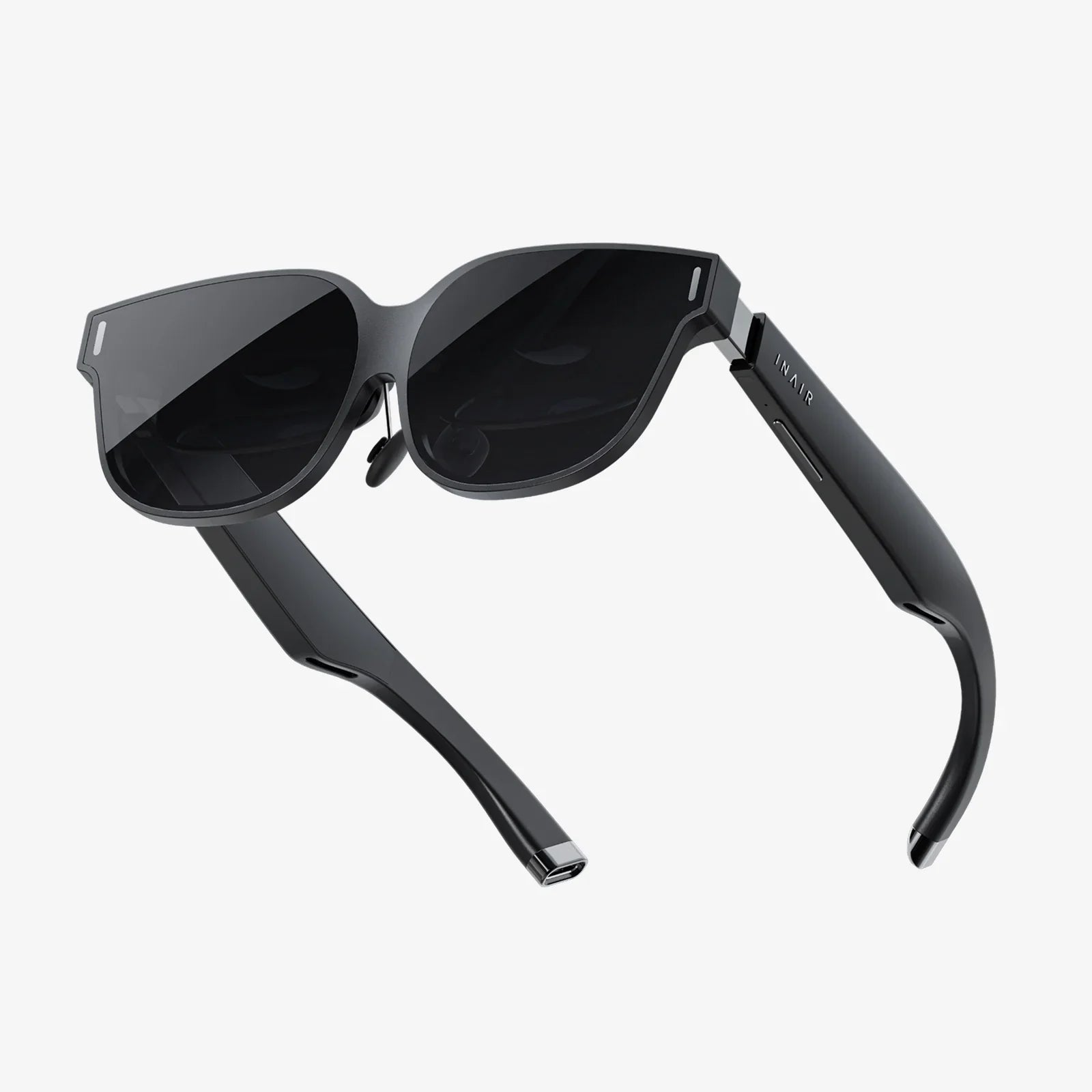
Imagine stepping through a portal into another world, a digital dimension where the only limit is the imagination of its creators; this is the electrifying promise that beckons from the floor of a major VR headset show, an event that is far more than a simple exhibition—it's a window into our collective future.
The Spectacle of Immersion: More Than Just Hardware
A VR headset show is a sensory overload in the best possible way. It's a bustling nexus where engineers, artists, developers, and enthusiasts converge, united by a shared fascination with virtual realms. The air hums with a palpable energy, a mix of whirring computers, hushed awe, and excited chatter. Rows upon rows of booths display the latest hardware, not as sterile museum pieces, but as active gateways. Everywhere you look, people are lost in other worlds—their physical bodies tethered to ours only by a thin cable or a wireless signal, their minds and emotions fully transported to fantastical landscapes, intense training simulations, or social spaces that defy geography.
The true magic of these events lies not in the individual components, but in the holistic experience they create. It's the symphony of high-resolution displays, precise motion tracking, immersive spatial audio, and intuitive controllers working in perfect harmony to convince your brain, just for a moment, that the impossible is real. This is the core promise on display: total immersion.
A Journey Through Time: The Evolution of the Technology
To appreciate the modern VR headset show, one must understand the remarkable journey of the technology itself. The concept of virtual reality is not new; its roots stretch back decades to early flight simulators and scientific research. However, for a long time, it remained a clunky, prohibitively expensive dream, confined to research labs and military applications.
The landscape began to shift dramatically in the early 2010s. The advent of powerful, affordable mobile processors and high-definition smartphone screens provided the essential building blocks. Pioneering companies developed the first modern consumer-grade headsets, often initially using smartphones as the display and brain. These early devices, while revolutionary, were often criticized for their limited field of view, noticeable latency causing motion sickness, and a lack of compelling software.
Walking through a contemporary show floor is a testament to how far we've come. The technology has advanced at a breathtaking pace. Today's headsets showcase:
- Visual Fidelity: Resolution has skyrocketed, moving from grainy, pixelated images to stunningly sharp displays that approach visual realism. The dreaded "screen-door effect" is rapidly becoming a relic of the past.
- Tracking Precision: Early external camera-based tracking has been largely supplanted by sophisticated inside-out tracking, where sensors on the headset itself map the environment, allowing for untethered, room-scale freedom.
- Comfort and Form Factor: Headsets are becoming lighter, more ergonomic, and less obtrusive. The industry is steadily moving towards all-in-one devices that require no external PCs or consoles, making high-quality VR more accessible than ever.
- Haptic Feedback: The evolution of controllers and even full-body haptic suits adds the crucial sense of touch to the experience, making virtual interactions feel tangible and real.
This evolution is the central narrative of any VR headset show, showcasing a technology that has matured from a novel toy into a powerful platform for human expression and connection.
Beyond Gaming: The Expansive Applications on Display
While gaming remains a massive driver of innovation and consumer adoption, the most fascinating areas of a modern VR headset show are often found in the enterprise and professional sectors. The technology is proving to be a transformative tool across a stunning array of industries.
Revolutionizing Education and Training
Imagine medical students performing intricate virtual surgeries, making mistakes and learning procedures without ever touching a cadaver. Envision mechanics training on the complex systems of a new aircraft engine, with every part rendered in perfect detail. This is the power of VR training. It provides a safe, scalable, and incredibly effective environment for practicing high-stakes skills, leading to better retention and mastery than traditional methods. At a show, you might see demonstrations for everything from soft-skills training for corporate employees to disaster response simulations for first responders.
Transforming Healthcare and Therapy
The therapeutic potential of VR is profound. It's being used for exposure therapy to help patients overcome phobias and PTSD in a controlled setting. It's providing immersive distractions for patients undergoing painful medical procedures, reducing the need for medication. For physical rehabilitation, VR can turn repetitive exercises into engaging games, motivating patients to complete their therapy regimens. A VR headset show often features dedicated areas for digital health, highlighting these life-changing applications.
Reimagining Design and Architecture
For architects and industrial designers, VR is a dream come true. Instead of looking at blueprints or 3D models on a screen, they can step inside their creations at a 1:1 scale before a single brick is laid or a part is manufactured. This allows for unparalleled spatial understanding, client presentations that elicit genuine emotional reactions, and the ability to identify and solve design flaws early in the process, saving immense time and resources.
Creating New Social and Collaborative Spaces
The concept of the "metaverse" is a major theme at any tech-focused event. VR is at the forefront of building these persistent virtual spaces where people can work, socialize, and play. At a show, you might experience a virtual meeting room where colleagues from across the globe feel like they're in the same place, able to interact with 3D data models and whiteboards as if they were physical objects. This points to a future where physical location is less of a barrier to collaboration and community.
The Challenges and Considerations
Despite the incredible progress, a responsible VR headset show does not ignore the hurdles that remain. The industry is still grappling with questions of accessibility and cost, as high-end equipment can be a significant investment. Motion sickness, or "simulator sickness," while greatly reduced, can still affect some users, though advancements in display refresh rates and reduced latency are continually mitigating this issue.
Furthermore, the ethical and social implications of deeply immersive technology are a critical topic of discussion. Issues surrounding data privacy, psychological effects of long-term immersion, and the potential for addiction are being actively debated by developers and ethicists alike. A forward-thinking event provides a platform for these necessary conversations, ensuring the technology develops in a responsible and human-centric manner.
Gazing into the Crystal Ball: The Future on the Horizon
The most exciting part of a VR headset show is the glimpse it offers into the near future. Prototypes and concept devices hint at the next great leaps. The industry's holy grails are often showcased in early forms:
- Photorealistic Graphics: The push towards true visual realism continues, powered by evermore powerful processors and advanced rendering techniques like foveated rendering, which tracks the user's eyes and renders only the focal point in full detail, drastically improving performance.
- Advanced Haptics and Sensory Feedback: The development of gloves and full-body suits that can simulate texture, pressure, and temperature will add unprecedented layers of immersion.
- Neural Interfaces: The most futuristic concepts involve moving beyond external hardware, exploring direct brain-computer interfaces that could allow users to control virtual environments with their thoughts, potentially unlocking experiences we can scarcely imagine today.
- Augmented Reality (AR) and Mixed Reality (MR) Convergence: The line between VR and AR is blurring. Many new headsets feature high-resolution passthrough cameras, allowing users to see their real environment with digital overlays. This mixed reality functionality is poised to become a standard feature, merging the digital and physical worlds seamlessly.
These innovations point towards a future where VR headsets are not bulky gadgets, but perhaps as commonplace and unobtrusive as a pair of eyeglasses, serving as our primary interface to a rich, layered digital world integrated with our own.
The vibrant, chaotic, and inspiring floor of a VR headset show is more than a trade fair; it is a living roadmap. It charts the rapid ascent of a technology that is fundamentally altering how we learn, work, heal, and connect. It demonstrates that we are no longer mere spectators of the digital age, but active inhabitants of its limitless potential. The next world is waiting, and it's closer than you think.
Share:
Does iPhone 11 Have AR? Exploring the Augmented Reality Revolution in Your Pocket
VR Headset for PC UK: The Ultimate 2024 Buyer's Guide to Immersive Gaming