


Imagine a world where your watch knows you're getting sick before you do, your ring can predict your stress levels, and your glasses translate conversations in real-time. This isn't science fiction; it's the electrifying, cutthroat reality of competing wearable devices, a technological arms race unfolding on the most personal of battlegrounds: the human body. The stakes are astronomical, the innovation is relentless, and the choice for consumers has never been more complex or more promising.
The Expanding Arena: More Than Just a Step Counter
Gone are the days when a wearable device was merely a pedometer strapped to your wrist. Today's ecosystem is a diverse and sprawling metropolis of technology. The competition now rages across multiple form factors, each vying for a prime spot on your anatomy.
Wrist-Worn Warriors: This remains the most crowded and visible category. Here, full-featured smartwatches battle it out with sleek, fitness-focused bands and rugged, purpose-built sports watches. The wrist is prized real estate, offering high visibility, ease of interaction, and a traditional place for wearing accessories.
The Rise of the Ring: A newer, stealthier contender has entered the ring. Smart rings offer a minimalist, unobtrusive alternative, prioritizing continuous health monitoring and sleep tracking over a large screen. Their promise is 24/7 data collection without the bulk or the need to charge daily, appealing to those who find wrist-worn devices cumbersome during sleep or specific activities.
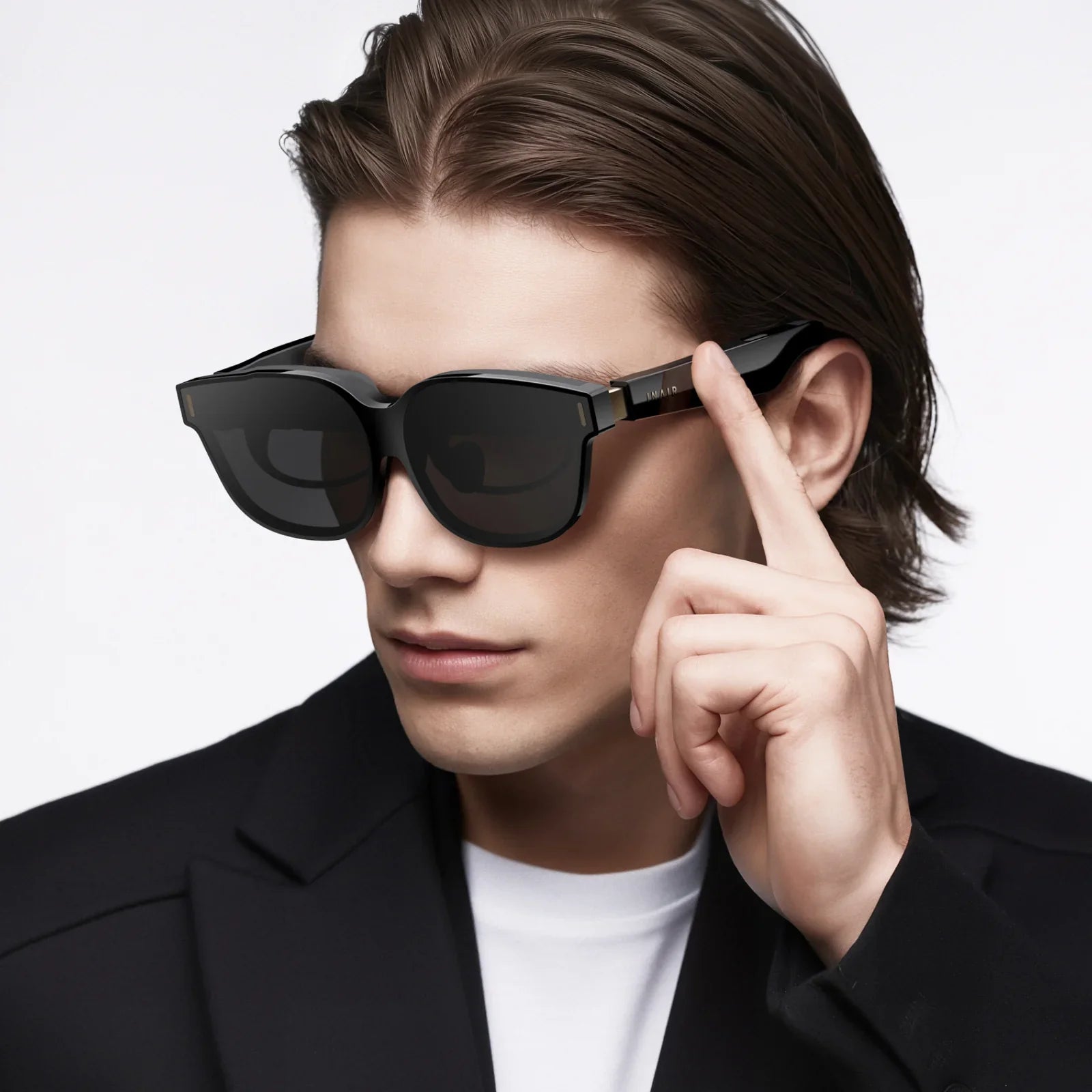
Hearables and Beyond: The competition extends to your ears with advanced hearables that do far more than play music, offering integrated health sensors and real-time language translation. Even smart glasses are making a comeback, aiming to overlay digital information onto the real world. This fragmentation means companies are no longer just competing within categories but across them, forcing them to innovate at a breakneck pace.
The Core Battlegrounds: Where Devices Win or Lose
Amidst this diversity, several key battlegrounds have emerged. It is on these fronts that competing wearable devices truly differentiate themselves and where consumers make their final choice.
1. The Health and Wellness Supremacy War
This is arguably the most significant arena. What began with heart rate monitoring has exploded into a sophisticated health platform. The goal is to become the user's primary health dashboard.
- Sensor Accuracy: The most fundamental fight. It doesn't matter how many features a device has if its core biometric data—heart rate, blood oxygen saturation (SpO2), sleep stages—is unreliable. Companies invest millions in clinical-grade validation studies to prove their sensors are the most accurate.
- Novel Health Metrics: Beyond basics, devices compete to offer groundbreaking insights. This includes measuring skin temperature trends for illness prediction, analyzing heart rate variability (HRV) for stress and recovery, and even exploring non-invasive glucose monitoring and blood pressure tracking—the holy grails of wearable tech.
- Actionable Insights: Data is useless without context. The winner isn't the device with the most data, but the one that best translates that data into actionable, understandable advice. This means sophisticated algorithms and AI that can nudge a user to take a breathing exercise, suggest an earlier bedtime, or recommend a less intense workout.
2. The Battery Life Marathon
If health is the soul of the wearable, battery life is its heart. This is a classic trade-off: functionality versus endurance. Some devices prioritize a dazzling array of always-on features, requiring a nightly charge. Others tout week-long battery life, appealing to users who despise “charge anxiety,” especially for sleep tracking. This battle fuels innovation in low-power displays, efficient processors, and optimized software. The ultimate goal is a device that is both powerful and forgettably long-lasting.
3. The Ecosystem Lock-In Tango
Wearables are rarely standalone products; they are gateways into larger ecosystems. A device often works best with a specific smartphone operating system, and its data is siloed within a proprietary companion app. This creates a powerful lock-in effect. The competition, therefore, is not just for device sales, but for a user's long-term data and loyalty within a brand's ecosystem. While this benefits the company, it can limit consumer choice and create friction for those who wish to switch platforms later.
4. Design and Personalization
A wearable is a fashion statement. Competing devices must cater to a wide range of aesthetics, from the sporty and utilitarian to the sleek and luxurious. The ability to swap bands, customize watch faces, and offer different materials (aluminum, titanium, ceramic) is a crucial differentiator. The device must feel like “you,” both digitally and physically.
5. The Smart vs. Dumb Divide
There's a growing philosophical split in the market. On one side are “smart” devices, packed with notifications, apps, and connectivity features that make them a secondary smartphone screen. On the other are “dumb” or focused devices that strip away distractions to emphasize pure health and fitness metrics. This creates two distinct lanes of competition, appealing to different user mentalities: those who want to be connected and those who want to disconnect.
The Invisible Forces Shaping the Competition
Beyond the specs and features visible to consumers, deeper forces are shaping the war between competing wearable devices.
Data: The New Oil: The immense value of aggregated, anonymized health data cannot be overstated. This data is used to refine algorithms, train AI, and could potentially be used for broader medical research. The device that captures the most accurate and comprehensive dataset holds a significant long-term advantage.
Privacy and Security: As devices collect increasingly intimate data, from location to detailed health metrics, they become prime targets for cyber threats. How a company handles, encrypts, and stores this data is a major point of competition and trust. Privacy policies and security features are becoming key factors for savvy consumers.
The Subscription Model Creep: The initial purchase price is increasingly just the entry fee. Many companies are now locking their most advanced health insights and analytics behind monthly subscription paywalls. This creates a new revenue stream but also a new point of contention and comparison among competitors.
The Future Frontlines: Where the Battle is Headed
The competition is only intensifying, and the next frontiers are already taking shape.
Advanced Biometrics: The race is on to be the first to reliably and non-invasively measure glucose, blood pressure, and alcohol levels. The company that cracks this code will instantly dominate the market.
True AI Integration: Moving beyond retrospective analysis to predictive and prescriptive AI. Imagine a device that doesn't just tell you you had a bad night's sleep, but proactively adjusts your home's thermostat and lighting to help you sleep better the next night.
Mental Health Focus: Using metrics like HRV, temperature, and sleep data to build comprehensive stress and anxiety management tools, potentially including guided meditation and biofeedback exercises directly from the device.
Seamless Integration: The ultimate winner might not be a single device, but an ecosystem of interoperable wearables—a ring for sleep, glasses for AR, and hearables for audio—that work together seamlessly, sharing data to create a holistic picture of the user's well-being.
This fierce competition among wearable devices is the best thing that could happen to consumers. It drives prices down, forces rapid innovation, and pushes the boundaries of what's possible. We are no longer just buying a gadget; we are choosing a health partner, a personal assistant, and a window into our own biology. The battle on your wrist is fierce, but it's a battle that promises to make us all healthier, more informed, and more connected to ourselves than ever before.
Share:
AI Wearable Technology 2025: The Dawn of the Anticipatory Self
Client-Based Desktop Virtualization: The Ultimate Guide to Empowering Your Workforce