


Imagine a world where your computer doesn't just obey commands but anticipates your needs, understands your emotions, and collaborates with you as a creative partner. This is no longer the realm of science fiction; it is the rapidly unfolding reality of computer interactive systems, a technological evolution that is fundamentally reshaping the human experience. The journey from blinking cursors to intuitive, almost psychic interfaces represents one of the most significant technological narratives of our time, and it's a story that is still being written with every click, swipe, and spoken word.
The Genesis of Dialogue: From Punch Cards to Pointing Devices
The earliest computers were colossal, room-sized calculators. Interaction was a one-way street: humans fed them instructions via punched cards or paper tape, and the machines, after much whirring and clacking, produced an output. The concept of a “conversation” was nonexistent. The first true step towards computer interactivity was the command-line interface (CLI). For the first time, users could type commands and receive immediate textual feedback. This established a turn-taking dialogue, however primitive. The user was required to speak the machine's complex, unforgiving language, a significant barrier to entry that kept computing in the domain of specialists.
The paradigm shift arrived with the development of the graphical user interface (GUI). Pioneered by research labs and popularized in consumer products, the GUI replaced abstract commands with familiar metaphors: desktops, folders, and documents. The critical innovation was the point-and-click mechanism, enabled by the mouse. This transformed interaction from a cognitive exercise of memorization to a spatial, intuitive manipulation of objects on a screen. The computer became something to be visually explored and directly manipulated, dramatically lowering the barrier to entry and paving the way for the PC revolution. This was the moment computing truly began its journey into the lives of everyday people.
The Pillars of Modern Interaction: A Multimodal Approach
Today's computer interactive systems are not reliant on a single mode of communication. They are multimodal, engaging multiple human senses to create a richer, more efficient, and more natural dialogue. This approach recognizes that human communication is inherently multimodal—we speak, gesture, and make eye contact simultaneously.
1. The Graphical User Interface: The Persistent Canvas
The GUI remains the bedrock of most computer interactions. However, it has evolved far beyond static windows and menus. Modern GUIs are dynamic, responsive, and context-aware. They utilize advanced graphics rendering, smooth animations, and real-time data visualizations to present information in the most digestible way possible. The principles of user experience (UX) and user interface (UI) design are now central to their development, focusing on human psychology, accessibility, and aesthetic pleasure to reduce cognitive load and create a seamless flow.
2. The Touch Revolution: Direct Manipulation
The proliferation of smartphones and tablets cemented touch as a primary interaction mode. Capacitive touchscreens allowed for precise, multi-finger gestures like pinch-to-zoom, swipe-to-scroll, and tap-to-select. This created an unparalleled sense of direct connection with the digital content; the screen was no longer just a display but a surface to be touched and manipulated. This tactile feedback, while initially just visual, has been enhanced with haptic technology, which provides subtle vibrations to simulate the feeling of pressing a button or scrolling over a notch, further blurring the line between the physical and digital realms.
3. Voice and Natural Language Processing: Conversing with Machines
Perhaps the most significant leap towards natural interaction has been the rise of voice user interfaces (VUIs) powered by natural language processing (NLP) and automatic speech recognition (ASR). Systems can now parse spoken language, discern intent from often-messy human speech filled with pauses and colloquialisms, and execute tasks or provide verbal responses. This hands-free, eyes-free mode of interaction is transformative, enabling control of devices while cooking, driving, or for individuals with certain physical disabilities. It represents a return to the most fundamental form of human communication: speech.
4. Vision and Gesture: The Camera as an Input Device
Advanced camera systems and computer vision algorithms allow computers to “see” and interpret the world. This enables interaction through body movement and gesture. From gaming consoles that track a player's motions to control an on-screen avatar to systems that allow a user to navigate a presentation with a wave of the hand, gesture control offers a powerful and immersive experience. Facial recognition technology can also be used for secure authentication and even to gauge user emotion, allowing the system to potentially respond to a user's frustration or satisfaction.
The Engine Room: Core Technologies Powering the Interaction
Behind every smooth swipe and instant voice response lies a complex suite of technologies working in concert.
- Sensors and Input Devices: These are the peripherals that capture human intent, from the photoelectric sensors in a mouse to the microphones, cameras, accelerometers, and gyroscopes embedded in modern devices. They are the first point of contact, translating analog human action into digital data.
- Algorithms and Machine Learning: Raw data from sensors is meaningless without interpretation. Machine learning algorithms are trained on vast datasets to recognize patterns: they identify whether a touch was a tap or a swipe, transcribe spoken words into text, or classify a captured image. These models are continuously improving, becoming faster and more accurate with more data.
- Real-Time Processing and Low Latency: For interaction to feel natural, the feedback must be instantaneous. Low latency—the delay between input and response—is critical. A delay of even a few hundred milliseconds can make a touchscreen feel sluggish or a voice assistant feel dumb. This demands powerful processors and optimized software working in perfect harmony.
The Cutting Edge: Anticipatory and Immersive Interfaces
The frontier of computer interactivity is moving beyond response and into the realms of anticipation and immersion.
Artificial Intelligence and Predictive Interaction: Modern systems are incorporating AI not just to understand commands, but to predict them. By learning from user habits and context, a system can proactively surface the app you use every morning at 9 AM, suggest a reply to a message, or pre-load content it thinks you will want to see next. This shifts the interaction model from “user commands, computer obeys” to “computer assists, user guides,” creating a collaborative partnership.
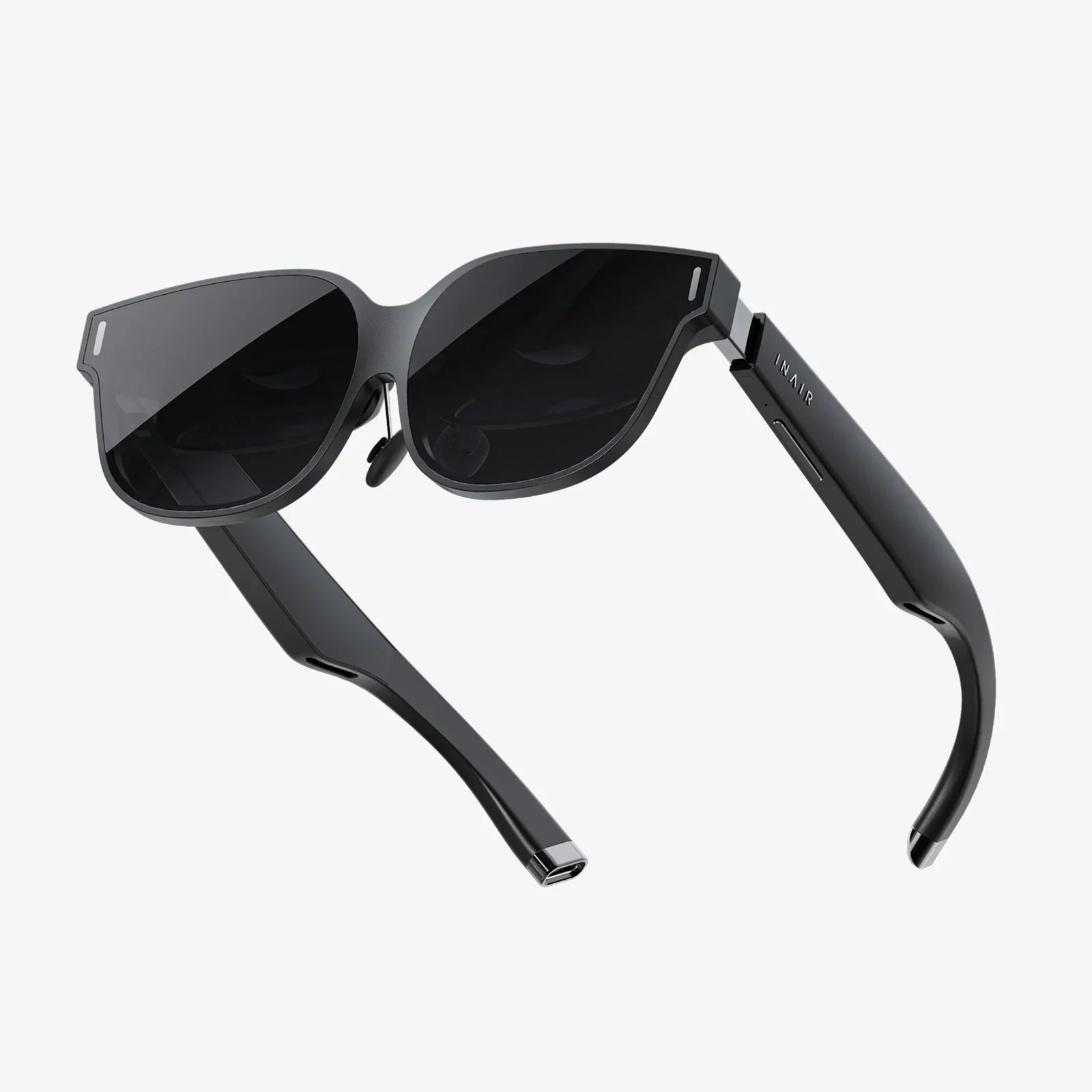
Extended Reality (XR): The Ultimate Interface? Virtual Reality (VR) and Augmented Reality (AR) represent the next logical step in the quest for natural interaction. VR offers a fully immersive digital environment where users can interact with 3D objects using motion-tracked controllers or even their own hands. AR overlays digital information onto the physical world, turning your surroundings into the interface. Interacting with a virtual screen projected onto your wall or examining a 3D model of a engine part hovering over your desk points towards a future where the distinction between the digital and the physical is rendered obsolete.
The Human Factor: Challenges and Ethical Considerations
As these systems become more pervasive and powerful, they also present significant challenges that society must address.
- Accessibility and the Digital Divide: While voice and vision can make technology more accessible to many, we must ensure these systems are designed for everyone, including those with visual, auditory, or motor impairments. Furthermore, the cost and complexity of advanced interactive tech risk widening the gap between those who can afford it and those who cannot.
- Privacy and Data Security: A system that listens to your conversations, watches your home, and learns your daily routine collects an unimaginable amount of intimate data. How is this data stored, used, and protected? The potential for surveillance and data breaches creates a serious ethical dilemma that requires robust legal and technical safeguards.
- Bias in Algorithms: Machine learning models are only as unbiased as the data they are trained on. There have been numerous instances of speech recognition systems failing to understand certain accents or facial analysis systems performing poorly on people of color. Addressing these biases is crucial to building fair and equitable interactive systems for a global population.
- The Changing Nature of Human Skill: As interfaces become more automated and predictive, there is a concern about “deskilling.” If we no longer need to remember commands, navigate complex menus, or even formulate complete questions, what cognitive abilities might we lose? The goal should be to design systems that augment human intelligence, not replace it.
The silent, one-sided monologue of early computing has erupted into a rich, multimodal, and increasingly intelligent dialogue. We have progressed from instructing machines to collaborating with them. The future of computer interactivity points towards systems that are so seamlessly integrated into our lives and environments that they become invisible, acting as true extensions of our own will and creativity. The challenge ahead is not just technological; it is profoundly human. It is about steering this incredible power towards a future that enhances our humanity, promotes equity, and safeguards our privacy, ensuring that the conversation between human and machine remains one of our most productive and empowering collaborations.
Share:
Best VR Resolution - The Ultimate Guide to Visual Fidelity in Virtual Reality
HD Vision Glasses: The Ultimate Guide to Sharper Sight and Digital Comfort