


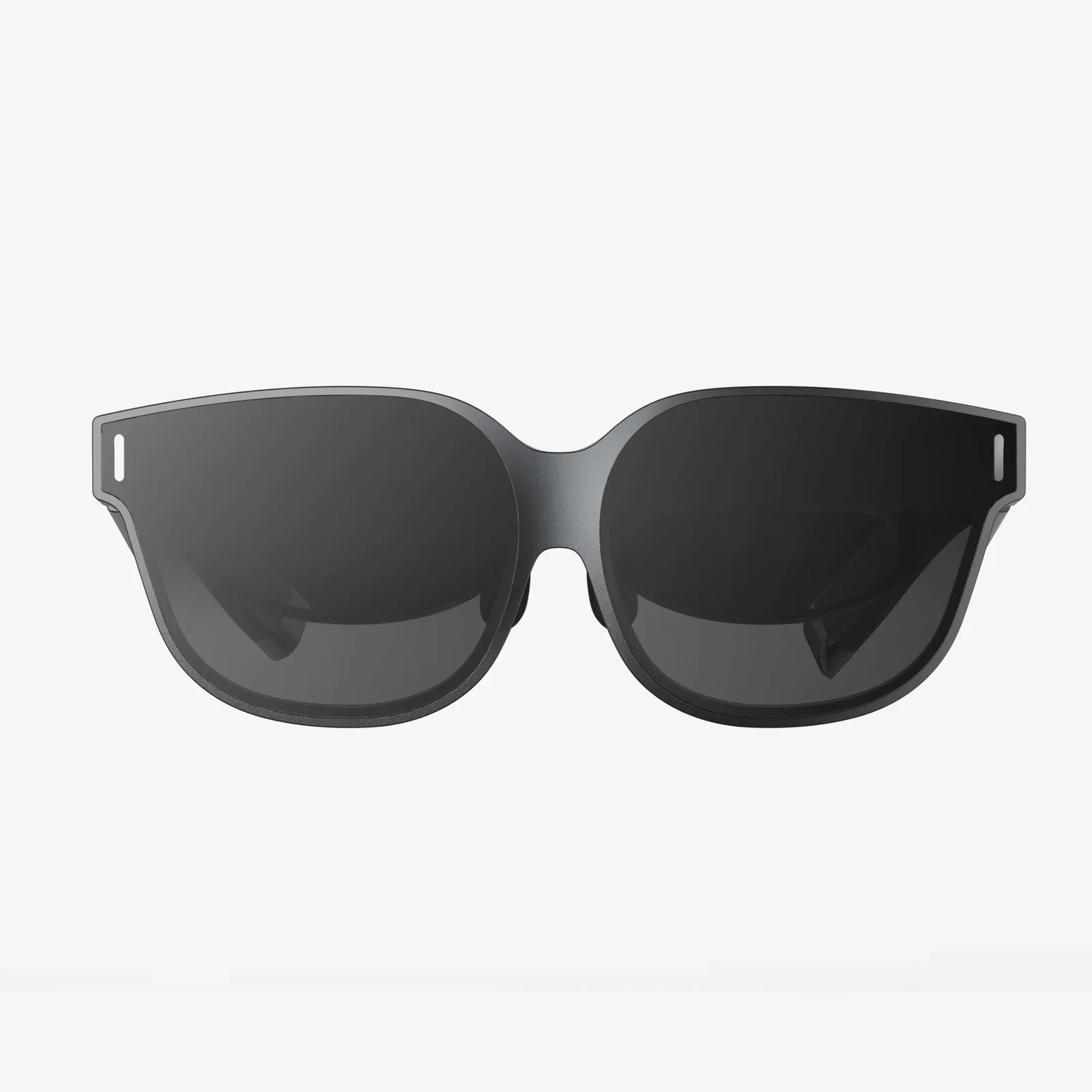
Imagine looking at the world through a lens of unparalleled clarity, where screens no longer strain your eyes and every detail appears sharper and more vibrant. This is the promise that has propelled HD vision glasses into the spotlight, capturing the attention of millions seeking visual comfort in our digitally saturated lives. But what exactly lies behind this intriguing concept? Are these glasses a genuine breakthrough in optical technology or merely a clever marketing illusion? The journey to understanding HD vision glasses is a fascinating exploration of human sight, technological innovation, and the universal desire to see our world in the best possible light.
The Science of Sight and the Pursuit of Visual Acuity
To truly appreciate the value of any vision enhancement product, one must first understand the basic mechanics of human sight. Light enters the eye through the cornea, passes through the pupil and lens, and is focused onto the retina—a light-sensitive layer of tissue at the back of the eye. The retina then converts this light into electrical signals that travel via the optic nerve to the brain, which interprets them as images.
Visual acuity, simply put, is the sharpness of this vision. It's a measure of the eye's ability to distinguish details and shapes of objects. For many, this natural process is compromised by common refractive errors:
- Myopia (Nearsightedness): Difficulty seeing distant objects clearly.
- Hyperopia (Farsightedness): Difficulty focusing on nearby objects.
- Presbyopia: An age-related loss of focusing ability for near vision.
- Astigmatism: Blurred vision due to an irregularly shaped cornea.
Traditional prescription lenses are ground and polished to specific parameters to correct these refractive errors, bending light in precisely the right way to focus it correctly on the retina. HD vision glasses often build upon these fundamental optical principles, incorporating advanced lens technologies to enhance the quality of the light that reaches your eyes.
Defining HD Vision Glasses: Beyond the Hype
The term "HD Vision Glasses" is not a strictly defined medical or optical classification. Rather, it's a consumer-friendly descriptor for eyewear that incorporates a suite of technologies designed to improve the visual experience beyond simple vision correction. Think of it as the difference between a standard-definition television and a modern high-definition display. Both show the same program, but the clarity, color, and detail are profoundly different.
At their core, these glasses aim to optimize the way we see the world by addressing several key factors that contribute to visual quality. They are engineered to provide a more comfortable, sharper, and more defined visual field, reducing the effort your eyes and brain must exert to process visual information.
Key Technologies Inside HD Vision Lenses
The "HD" effect is typically achieved through a combination of sophisticated lens features. While not every pair will include all of these, the most effective pairs integrate several of the following technologies.
High-Index Lenses and Precision Optics
Many HD vision glasses utilize high-index lens materials. These are thinner, lighter, and offer better optical clarity than traditional plastic or glass lenses. They cause less distortion, especially around the edges of the lens, providing a wider, clearer field of view. The precision in the grinding and polishing process is also superior, minimizing aberrations that can cause blur or halos around lights.
Anti-Reflective Coating (AR)
This is arguably one of the most critical components. Anti-reflective coating is a microscopic, multi-layer film applied to the lens surface. It works by canceling out reflected light waves, allowing more light to pass through the lens to your eye.
- Benefits: Reduces distracting glare from headlights, sunlight, and indoor lighting. Increases light transmission for better night vision. Eliminates the "ghost images" and reflections that can cause eye strain, especially when using digital devices.
Blue Light Filtering
In our modern world, we are constantly exposed to high-energy visible (HEV) blue light emitted from smartphones, computer monitors, tablets, and LED lighting. While not all blue light is bad (it regulates our circadian rhythm), prolonged exposure to artificial sources is linked to digital eye strain and may potentially affect long-term eye health.
HD vision glasses often feature a built-in blue light filter, either as a subtle tint or a clear coating that selectively filters out a portion of this blue light.
- Benefits: Alleviates symptoms of digital eye strain (dry eyes, headaches, blurred vision). May improve visual comfort and contrast. Can potentially support healthier sleep patterns by reducing blue light exposure in the evening.
Photochromic Technology
Some HD glasses are equipped with photochromic lenses that automatically darken when exposed to ultraviolet (UV) light outdoors and return to a clear state indoors. This provides the dual benefit of HD clarity and adaptive sun protection.
Polarized Lenses
Popular for outdoor HD glasses, polarized lenses contain a special filter that blocks intense reflected light, such as the glare coming off water, snow, or a car's hood. This dramatically reduces glare, enhances color contrast, and minimizes squinting, leading to less eye fatigue and more comfortable vision in bright conditions.
The Tangible Benefits: Who Can Benefit from HD Vision Glasses?
The applications for this type of eyewear are vast and extend to nearly everyone who relies on their eyes throughout the day.
The Digital Generation: Combating Computer Vision Syndrome
For office workers, students, gamers, and anyone who spends significant time in front of screens, HD vision glasses can be a game-changer. The combination of anti-reflective coating and blue light filtering directly targets the root causes of Computer Vision Syndrome. Users often report a significant reduction in symptoms like tired eyes, headaches, and difficulty focusing after long computer sessions, leading to improved productivity and comfort.
Drivers: Enhancing Safety and Comfort
Driving demands constant visual attention. HD glasses improve night driving by reducing the glare and halos from oncoming headlights and streetlights. During the day, polarized versions cut the glare from the road and other vehicles, reducing squinting and eye fatigue. This leads to less strain, improved reaction times, and an overall safer driving experience.
Outdoor Enthusiasts and Sports
Whether you're fishing, golfing, cycling, or simply enjoying a walk in the park, HD glasses enhance the experience. They improve contrast, making it easier to track a white golf ball against a bright sky or see the contours of a trail more clearly. The reduction in glare and improved color perception makes everything appear more vivid and defined.
Everyday Use for Enhanced Clarity
Even for those without significant vision problems, HD vision glasses can make the world look sharper and colors more saturated. They reduce the strain caused by artificial lighting in stores and homes, making reading labels, shopping, and other daily tasks more visually comfortable.
Dispelling Common Myths and Setting Realistic Expectations
With any popular product, misconceptions abound. It's crucial to separate fact from fiction.
Myth 1: HD Glasses Give You "Superhuman" Vision.
Reality: They do not grant vision beyond the eye's natural capability. They optimize existing vision by reducing glare, filtering disruptive light, and improving contrast. They remove visual noise, allowing you to see closer to your eye's full potential.
Myth 2: They Are a Substitute for a Prescription.
Reality: Non-prescription HD glasses are not a replacement for corrective lenses if you have a diagnosed refractive error. They are designed for visual comfort and enhancement, not correction. However, it is absolutely possible to get prescription lenses that include all the HD technologies discussed (anti-reflective coating, blue light filtering, etc.). In fact, this is a highly recommended option for those who already wear corrective lenses.
Myth 3: All Blue Light Is Harmful.
Reality: The science on blue light is still evolving. While excessive artificial blue light contributes to eye strain, natural blue light from the sun is essential for health. The goal of filtering is to manage overexposure from digital devices, not to eliminate blue light entirely.
Choosing the Right Pair: A Buyer's Guide
Navigating the market can be confusing. Here’s what to look for when considering a pair of HD vision glasses.
- Identify Your Primary Need: Are you mostly at a computer? Prioritize blue light filtering and anti-reflective coating. Do you drive a lot? Look for polarization and night-driving anti-glare properties. For general use, a combination of AR coating and light blue light filtering is excellent.
- Lens Quality: Look for terms like "high-index," "precision polished," and "optically pure" which indicate better clarity and less distortion.
- Coatings are Key: Ensure the product explicitly mentions high-quality anti-reflective (AR) coating. A good AR coating will have a faint residual green or blue hue when reflected off the lens.
- Frame Comfort and Fit: The best lenses are useless if the frames are uncomfortable. Ensure a secure but comfortable fit that provides adequate coverage.
- UV Protection: While separate from HD technology, ensuring your lenses block 100% of UVA and UVB rays is fundamental to protecting your long-term eye health.
- Consult an Eye Care Professional: The best course of action is always to speak with an optometrist or optician. They can assess your individual needs, the health of your eyes, and guide you toward the best lens options, whether non-prescription or prescription-based.
The Future of Vision Enhancement
The technology behind HD vision glasses is not static. We are continuously moving towards more advanced and personalized visual solutions. Research is ongoing into smart glasses that can electronically filter specific light wavelengths, auto-adjust tint based on ambient conditions without UV light, and even incorporate augmented reality (AR) displays to overlay digital information onto the real world—all while maintaining the core principles of visual comfort and clarity that define today's HD glasses. The pursuit of perfect vision is an endless journey, and HD glasses represent a significant and valuable step forward.
The true power of HD vision glasses lies not in creating a reality that isn't there, but in refining the one that is. They cut through the visual noise of modern life—the blinding glares, the sleep-disrupting blue glow of screens, the hazy distortions of low-quality lenses. By offering a clearer, more comfortable, and more vibrant window to the world, they empower you to engage with your passions, your work, and your surroundings with less strain and more enjoyment. In a world that constantly demands your attention, doesn't your vision deserve the sharpest, most comfortable tool possible? The path to seeing the difference begins with understanding it.
Share:
Computer Interactive Systems: The Evolution of Human-Machine Dialogue and Its Future
3D Screen Display The Future is Here and It's Holographic