


Imagine a world where your clothing diagnoses illness before symptoms appear, your glasses translate conversations in real-time, and your watch not only tracks your heart rate but also your emotional state, seamlessly integrating a digital layer of intelligence into the very fabric of your daily life. This is not a distant science fiction fantasy; it is the imminent reality being engineered in laboratories and on whiteboards by computer scientists today. The field of computer science wearables represents one of the most dynamic and transformative frontiers of technology, moving far beyond simple step counting to create a new, intimate partnership between humans and machines. This revolution is not just about the devices we wear, but about the vast, invisible architecture of algorithms, data, and connectivity that empowers them, fundamentally reshaping our understanding of health, communication, and our own humanity.
The Convergence of Disciplines: More Than Just Hardware
At its core, the advancement of computer science wearables is a story of interdisciplinary convergence. It is a symphony composed of several key movements:
Miniaturization and Materials Science
The physical evolution of wearables is a prerequisite for their adoption. Breakthroughs in microfabrication have allowed sensors, processors, and batteries to shrink to near-invisible sizes, enabling their integration into rings, patches, and textiles. Furthermore, the development of flexible, stretchable electronics and biodegradable substrates means devices can conform to the human body comfortably and sustainably, moving from rigid wristbands to seamless, second-skin interfaces.
The Sensing Revolution: From Data to Insight
The true magic of a wearable lies in its sensors—its window onto the user's physiological and environmental state. Early devices relied primarily on accelerometers and basic optical heart rate monitors. Today's and tomorrow's devices incorporate a staggering array of sensing modalities:
- Bioimpedance Sensors: Measure body composition, fluid levels, and even emotional arousal by sending a tiny, imperceptible electrical current through the body.
- Electrodermal Activity (EDA) Sensors: Detect subtle changes in sweat gland activity, a key indicator of sympathetic nervous system arousal and stress.
- Continuous Glucose Monitors (CGMs): Use enzymatic reactions in subcutaneous patches to provide real-time glucose readings without finger-prick blood samples.
- Electrocardiogram (ECG) Sensors: Move from clinical settings to consumer wrists, capable of detecting atrial fibrillation and other cardiac anomalies.
- Photoplethysmography (PPG) Sensors: Advanced versions can now estimate blood oxygen saturation (SpO2), track blood pressure trends, and provide deeper hemodynamic insights.
- Electroencephalography (EEG) Sensors: Integrated into headbands or hats to monitor brainwave patterns for focus, meditation, or even potential control of external devices.
However, raw sensor data is meaningless noise. This is where the core disciplines of computer science take the lead. Sophisticated signal processing algorithms filter out motion artifact and noise. Machine learning models, trained on vast datasets of annotated physiological information, transform filtered signals into actionable insights—predicting a migraine, identifying the onset of an infection, or quantifying sleep quality with remarkable accuracy.
The Intelligence Divide: Edge vs. Cloud Computing
A critical computer science challenge in wearables is the allocation of computational tasks. The classic model involves sensors collecting data and a companion smartphone or direct Wi-Fi connection shipping it to the cloud for heavy-duty number crunching. The results are then sent back to the device. This model, however, introduces latency, consumes significant energy for data transmission, and raises privacy concerns.
The future, therefore, lies in edge computing—pushing intelligence directly onto the wearable itself. This requires the development of ultra-low-power microprocessors capable of running lightweight, optimized AI models. The benefits are profound:
- Real-time Responsiveness: A fall-detection algorithm can trigger an alert instantly without waiting for a cloud round-trip.
- Enhanced Privacy: Raw physiological data never leaves the device; only processed insights or anonymized summaries are transmitted.
- Reduced Power Consumption: Local processing is often more energy-efficient than constant radio transmission.
- Offline Functionality: Devices remain functional without a constant internet connection.
This shift is driving innovation in tinyML (machine learning for microcontrollers) and neuromorphic computing, which designs chips that mimic the brain's efficient, event-driven processing.
Redefining Human-Computer Interaction (HCI)
Wearables are dismantling the traditional keyboard-mouse-screen paradigm. Constantly available on the body, they demand new, more intuitive interaction modalities. Computer scientists are pioneering interfaces that are:
- Passive and Ambient: The device gathers data without any explicit user command, providing context-aware information.
- Gesture-Based: Using radar chips or inertial measurement units (IMUs) to recognize subtle hand or finger movements for control.
- Voice-First: Integrating robust, always-listening (but locally processing) voice assistants.
- Haptic: Using sophisticated vibration motors to convey complex notifications and information through touch, a channel that is private and non-disruptive.
The ultimate goal is calm technology—where the device fades into the background, enhancing the user's experience of the real world rather than distracting from it with a constant stream of notifications.
The Daunting Challenges on the Horizon
For all their promise, the path forward for computer science wearables is fraught with significant hurdles that the field must overcome.
The Power Paradox
Perhaps the single greatest constraint is energy. As devices become more capable, their power demands grow, yet battery technology advances at a much slower pace. Computer science is addressing this through a multi-pronged attack: developing ultra-low-power components, creating incredibly efficient software, and pioneering novel energy harvesting techniques such as scavenging energy from body heat, movement, or even ambient light and radio frequencies.
The Algorithmic Bias Problem
Machine learning models are only as good as the data they are trained on. Historically, biomedical datasets have been overwhelmingly composed of data from individuals of European descent. This creates a terrifying risk: a wearable health algorithm that is highly accurate for one demographic could be dangerously inaccurate for another, perpetuating and even exacerbating health disparities. Ensuring diverse, representative training data is not an ethical nice-to-have; it is a fundamental engineering requirement for safe and equitable technology.
The Privacy and Security Abyss
Wearables generate a continuous, deeply intimate stream of biometric data—a digital twin of your physical self. This creates a high-value target for hackers and a profound responsibility for manufacturers. Computer science must build security into the hardware root of trust, ensure end-to-end encryption, and develop frameworks for true user data sovereignty, where individuals have transparent control over how their most personal information is used and shared. The potential for surveillance, both corporate and governmental, is unprecedented.
A Glimpse into the Near Future
The next decade will see wearables become even more integrated and specialized. We are moving towards:
- Smart Fabrics: Where the entire garment is a sensor, measuring muscle activity, posture, and biomechanics for applications in athletics, physical rehabilitation, and ergonomics.
- Continuous, Multi-Modal Health Monitoring: Devices that don't just track one metric but synthesize data from numerous sensors to create a holistic picture of health, moving from reactive care to truly predictive and preventive medicine.
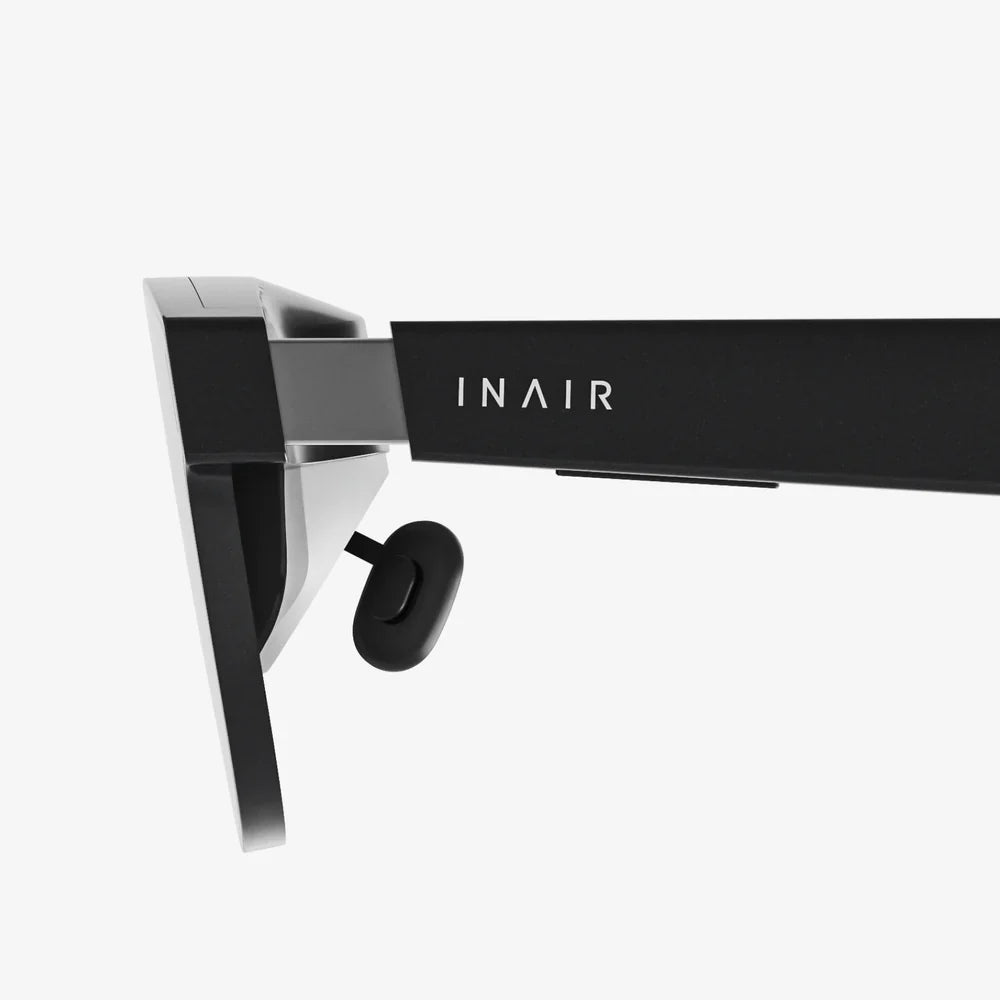
- Augmented Reality (AR) Glasses: The ultimate wearable computer, overlaying digital information onto the physical world, requiring immense advances in computer vision, display technology, and spatial audio.
- Closed-Loop Medical Systems: "Autopilot" for the human body, where a wearable sensor (e.g., a CGM) communicates directly with an actuator (e.g., an insulin pump) to automatically manage a chronic condition without user intervention.
The trajectory is clear: computer science wearables are evolving from informative gadgets to active partners in managing our well-being and interacting with our environment. They promise a future of unprecedented personalization and proactive health, but they also demand a new level of algorithmic accountability and ethical foresight from the computer scientists who design them. The code being written today will not just run on silicon; it will intertwine with human biology, making this one of the most consequential and exciting challenges in the entire history of computing.
The most powerful wearable won't be the one with the sleekest design or the longest battery life; it will be the one whose underlying computer science is so robust, so ethical, and so seamlessly integrated that you forget it's even there, until the moment it quietly informs you of something that saves your life, unlocking a deeper understanding of yourself that was previously impossible to attain.
Share:
Holograms The Future of Near-Eye Display: A New Reality Beckons
Gesture Interaction Wearable: The Silent Revolution in How We Command Technology