


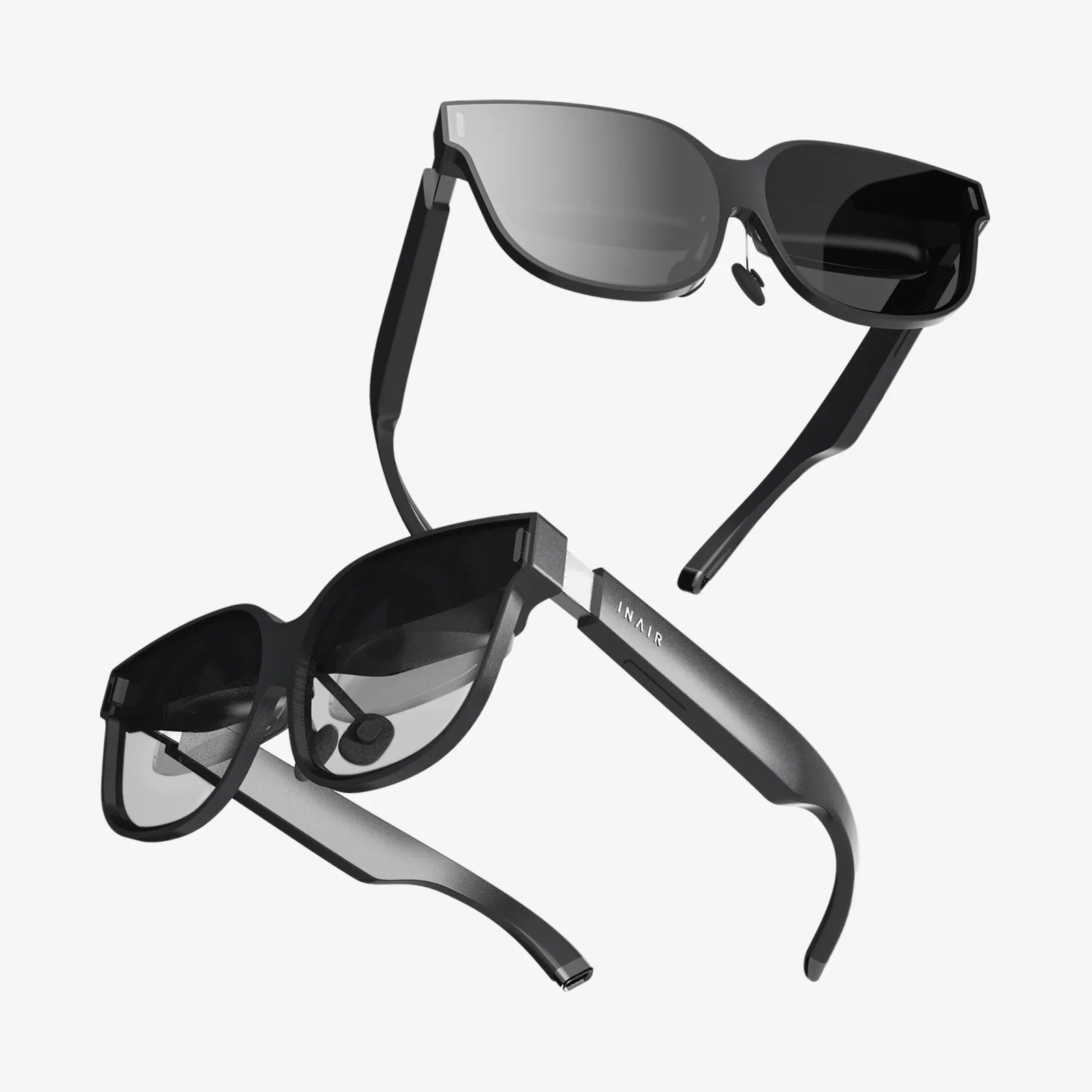
Imagine a world where your watch not only tells time but also warns you of an impending health crisis, where your glasses overlay digital information onto the physical world, and where your clothing can monitor your posture and vitality. This is not a glimpse into a distant science fiction future; it is the reality being built today by the relentless innovation in consumer electronics wearables. These devices are quietly weaving themselves into the very fabric of our existence, transforming from mere gadgets into indispensable partners in health, productivity, and connection. The revolution is not coming; it is already on our wrists, in our ears, and on our faces, and its implications are deeper and more fascinating than we often realize.
The Meteoric Ascent: From Novelty to Necessity
The journey of wearables is a testament to rapid technological convergence. What began with rudimentary calculator watches and step counters has exploded into a diverse ecosystem of sophisticated devices. The initial wave was dominated by basic fitness trackers, simple bands that counted steps and estimated calorie burn. They introduced the masses to the concept of quantified self—the idea of using technology to collect data on aspects of a person's daily life.
This was quickly followed by the smartwatch revolution, which transformed the wrist into a command center. No longer just an extension of the smartphone, these devices became standalone hubs for communication, health monitoring, and mobile payments. Simultaneously, hearables—wireless smart earbuds and headphones—evolved beyond simple audio playback to incorporate active noise cancellation, real-time language translation, and immersive spatial audio, making them powerful tools for both focus and communication.
Today, the category is broader than ever, encompassing smart glasses aiming for mainstream augmented reality, smart rings for discreet health and sleep tracking, and even smart fabrics with sensors woven directly into the textiles of clothing. This evolution from single-purpose gadgets to multi-functional, interconnected platforms marks the sector's maturation into a critical pillar of modern consumer electronics.
The Technological Engine: What Powers Our Wearable Future
The magic of wearables is underpinned by a complex symphony of advanced technologies, each pushing the boundaries of miniaturization and efficiency.
Sensing the Self: A World of Data
At the heart of every wearable is its sensor array. These are the devices' eyes and ears, collecting a constant stream of biometric and environmental data.
- Optical Heart Rate Sensors: Using photoplethysmography (PPG), these LEDs shine light onto the skin and measure the light reflected by blood flow to determine heart rate.
- Electrocardiogram (ECG) Sensors: By measuring the electrical activity of the heart, these medical-grade sensors can detect atrial fibrillation and other irregularities, bringing diagnostic power to the wrist.
- Accelerometers and Gyroscopes: These work in tandem to track movement, orientation, and steps, forming the basis for activity and sleep tracking.
- SpO2 Sensors: Measuring blood oxygen saturation, a metric that gained significant attention during recent global health events.
- Global Positioning System (GPS): Provides precise location data for mapping runs, cycles, and hikes without requiring a paired phone.
- Microphones and Speakers: Enable voice assistants, call functionality, and, increasingly, advanced features like snore detection.
The Intelligence Core: Processing and Power
Harnessing the data from these sensors requires significant processing power housed in incredibly small systems-on-a-chip (SoCs). These processors must be powerful enough to run complex algorithms for heart rate analysis or sleep staging yet efficient enough to not drain a small battery within hours. This relentless pursuit of efficiency is a primary driver of innovation in semiconductor design. Speaking of power, battery technology remains one of the most significant constraints. Engineers are constantly balancing capacity with size, leading to advancements in fast charging, low-power displays, and sophisticated software that aggressively manages background activity to extend battery life from a single charge.
Connecting the Dots: Seamless Connectivity
Data is useless in isolation. Wearables leverage a suite of connectivity options to become part of a larger network. Bluetooth Low Energy (BLE) is the standard for connecting to smartphones, providing a stable link with minimal power draw. Wi-Fi allows for more data-intensive tasks and connectivity independent of a phone. Many devices now also include LTE or 5G modems, enabling complete autonomy for calls, messages, and streaming. Furthermore, NFC technology facilitates the growing use of wearables for contactless payments, turning a watch into a wallet.
Beyond the Hype: The Tangible Impact on Health and Wellness
While convenience and connectivity are compelling, the most profound impact of wearables is undoubtedly in the realm of health and wellness. This is where they transition from cool gadgets to potentially life-saving tools.
Democratizing Healthcare
Wearables are empowering individuals to take a proactive role in their health. By providing continuous, longitudinal data instead of a single snapshot during an annual check-up, these devices paint a far more complete picture of a person's health. Trends become visible: resting heart rate gradually increasing, sleep quality declining, or blood oxygen dipping intermittently. This data empowers users to make informed lifestyle changes and provides clinicians with valuable, objective data to inform diagnoses and treatment plans. The ability to perform an on-demand ECG or receive an irregular heart rhythm notification has given thousands of people early warning signs of serious cardiac conditions, allowing them to seek medical attention before a major event.
The Mental Health Frontier
The next frontier for wearable technology is mental well-being. While still emerging, devices are beginning to incorporate features that track metrics correlated with stress and mental state. By analyzing heart rate variability (HRV), a key indicator of the nervous system's state, some wearables can provide guided breathing sessions to help users manage acute stress. The combination of sleep tracking, activity data, and physiological metrics can offer insights into patterns that affect anxiety and overall mood, opening new avenues for managing mental health daily.
Navigating the Challenges: The Other Side of the Coin
For all their benefits, the rise of wearables brings a host of significant challenges that society must address.
The Privacy Paradox
Wearables collect the most intimate data possible: information about our bodies, our locations, our daily habits, and even our sleep. This creates a treasure trove for hackers and a lucrative target for data brokers. Questions of data ownership, consent, and security are paramount. Who owns your heart rate data? How is it being used by the device manufacturer? Could it be sold to health insurance companies or used to discriminate in other ways? Robust encryption, transparent privacy policies, and strong regulatory frameworks are essential to ensure that this powerful technology does not become a tool for surveillance and exploitation.
Accuracy and Medical Validation
While some sensors are FDA-cleared, most consumer wearables are not classified as medical devices. This distinction is crucial. The accuracy of calorie burn estimates or sleep stage tracking can vary significantly. Over-reliance on this data without professional interpretation can lead to health anxiety ("orthosomnia"—the obsession with perfect sleep data) or missed diagnoses. The industry must continue to invest in clinical validation and be clear with consumers about the limitations of their technology, ensuring it complements, rather than replaces, professional medical advice.
The Digital Divide and Societal Pressure
As wearables become more integral to health management, a new form of digital divide could emerge: one between those who can afford these advanced health-monitoring tools and those who cannot. Furthermore, the constant quantification of self can create immense pressure to meet arbitrary goals, fostering unhealthy obsessions with optimization and productivity. The "gamification" of health is powerful, but it must be designed to encourage well-being, not unsustainable competition against one's own data.
The Horizon: What's Next for Wearables?
The future of wearables is moving beyond the wrist and ear towards even more integrated and immersive experiences.
- True Augmented Reality Glasses: The long-awaited dream of overlaying useful digital information seamlessly onto the real world is inching closer. Advances in waveguide displays, battery technology, and spatial computing are paving the way for glasses that will revolutionize navigation, work, and social interaction.
- Non-Invasive Health Monitoring: The holy grail is continuous, non-invasive monitoring of biomarkers like glucose, blood alcohol, and hydration levels. Technologies using spectroscopic sensors that analyze light reflected off the skin could make this a reality, eliminating the need for needles and finger pricks.
- Brain-Computer Interfaces (BCIs): While still in early stages, non-invasive BCIs worn on the head could eventually allow us to control devices with our thoughts, offering new possibilities for accessibility and human-computer interaction.
- Smart Fabrics and E-Textiles: The ultimate integration will be wearables you don't even feel. Clothing with woven-in sensors will monitor posture, muscle activity, and vitals, making health tracking truly effortless and invisible.
We are standing at the precipice of a new era, one where technology is not just something we use but something we wear, an intimate part of our lived experience. Consumer electronics wearables are dissolving the boundary between our biological selves and our digital world, offering unprecedented power to understand, enhance, and protect our health and humanity. The path forward must be navigated with careful optimism, championing innovation while fiercely guarding our privacy and well-being. The devices on our bodies are becoming the guardians of our health, the architects of our convenience, and the lenses through which we will increasingly see the world—and that is a future worth building thoughtfully.
Share:
AR Visualization Platforms: The Ultimate Guide to Transforming How We See and Interact with the Digital World
AR Visualization Platforms: The Ultimate Guide to Transforming How We See and Interact with the Digital World