


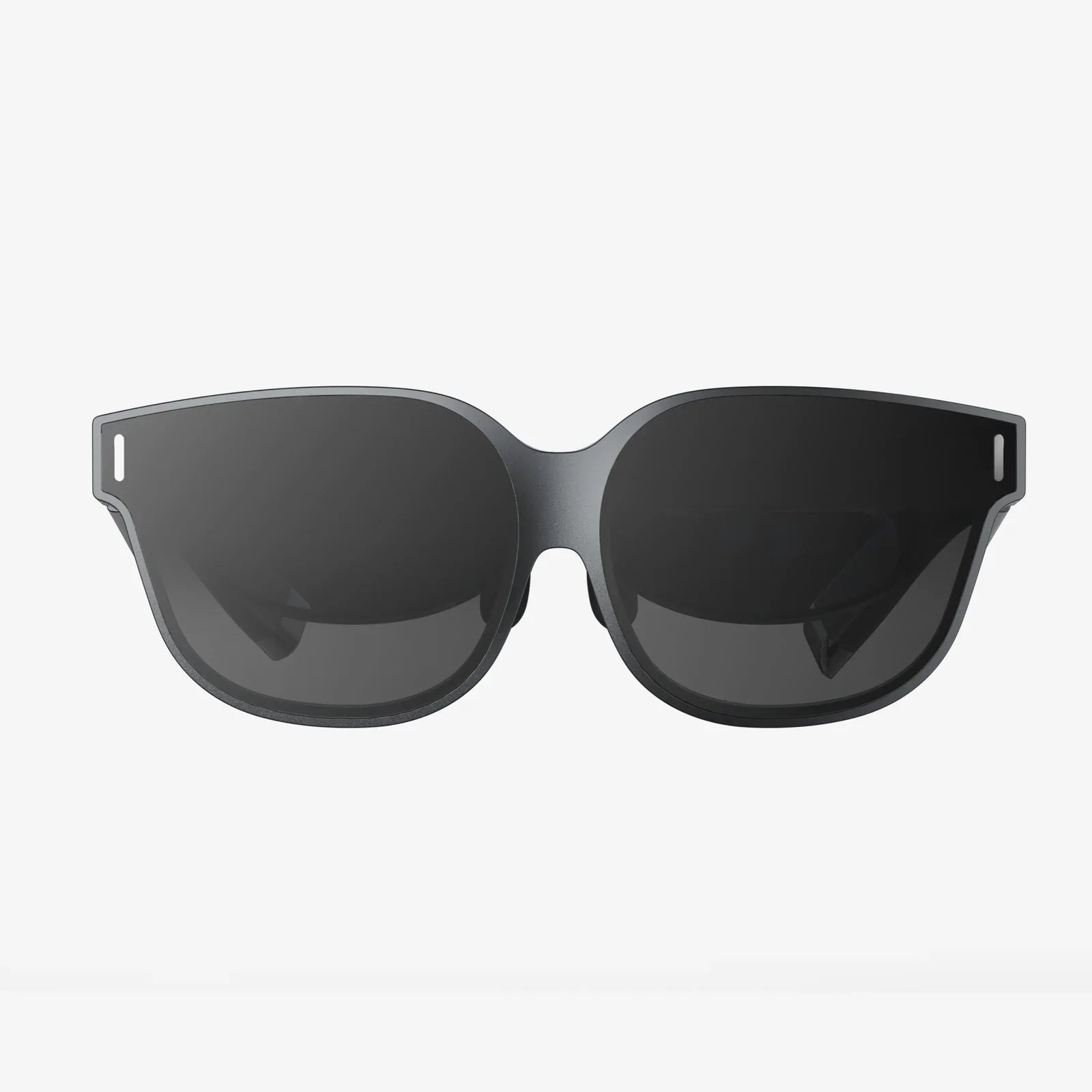
- by wangfred
Consumer Tech News Today: Smart Glasses Are Finally Having Their Moment
- by wangfred
Remember the promise? A world where information floats effortlessly before your eyes, where digital assistants whisper in your ear, and the line between the physical and digital realms gracefully blurs. For years, smart glasses were the next big thing that never quite arrived, a futuristic concept burdened by clunky designs, social awkwardness, and technological limitations. But if you glance at the latest consumer tech news today, smart glasses are back in the spotlight, not as a flashy gimmick, but as a genuinely evolving platform poised to redefine how we interact with technology and the world around us. This isn't a false dawn; it's the culmination of lessons learned, technological leaps, and a fundamental rethinking of what wearable tech should be.
The history of smart glasses is a masterclass in the perils of premature innovation. The initial wave, most famously exemplified by the first high-profile entry into the market, was a technological marvel that failed its social test. They were expensive, raised significant privacy concerns with their always-on camera, and earned wearers the unfortunate nickname "Glassholes." The product was a solution in search of a problem, and society roundly rejected it. This failure, however, was not in vain. It provided the entire industry with a crucial roadmap of what not to do.
Subsequent attempts often fell into the trap of trying to do too much. They were bulky, battery-hungry headsets masquerading as glasses, with obvious displays that screamed "tech gadget" rather than whispered "stylish accessory." They prioritized full augmented reality (AR) experiences—complex 3D graphics overlaid on the real world—over utility and wearability. This approach required immense processing power, bright displays, and sophisticated sensors, all of which came at the cost of size, weight, price, and battery life. The market response was tepid, confirming that consumers were not yet willing to trade form for futuristic function.
The most significant shift in the current generation of smart glasses is a fundamental philosophical pivot. Instead of asking, "How can we put a smartphone on your face?" leading developers are now asking, "What subtle, helpful things can a pair of glasses do that a phone cannot?" This has led to a focus on audio-first, notification-light, and socially acceptable experiences.
The new design ethos prioritizes:
This new design philosophy is only possible because of parallel advancements in several key technological areas, making the devices smaller, smarter, and more power-efficient.
With the technology maturing, compelling use cases are emerging that move beyond novelty and into genuine utility:
Despite the progress, significant challenges remain before smart glasses become as ubiquitous as smartphones.
Privacy is the single biggest societal hurdle. The idea of people wearing cameras and microphones on their faces is understandably unsettling. The industry must adopt a privacy-first approach by design: physical camera shutters, clear recording indicator lights, and robust on-device processing to minimize sensitive data ever leaving the glasses. Building trust is paramount.
Price is another barrier. While costs will come down with scale, integrating advanced tech into a small, stylish form factor is inherently expensive. Convincing consumers to invest in another high-ticket tech item, especially when smartphone functionality overlaps, is a tough sell that requires demonstrating undeniable, unique value.
Finally, a killer app and a robust developer ecosystem are still developing. The platform needs creative minds to build applications that we haven't even imagined yet, experiences that are uniquely suited to an always-available, context-aware visual and auditory interface.
The journey of smart glasses is a testament to the iterative nature of true innovation. It's not about a single breakthrough, but about the slow, steady convergence of multiple technologies and a deepening understanding of human needs and social dynamics. The failures of the past were necessary stepping stones. They taught the industry that for technology to be worn on the body, it must serve the human, not the other way around. It must be elegant, unobtrusive, and genuinely useful. The latest consumer tech news today suggests that after a long and awkward adolescence, smart glasses are finally growing up, ready to step out of the shadows of our pockets and into the light of our eyes, offering a glimpse of a more integrated and intuitive digital future.