


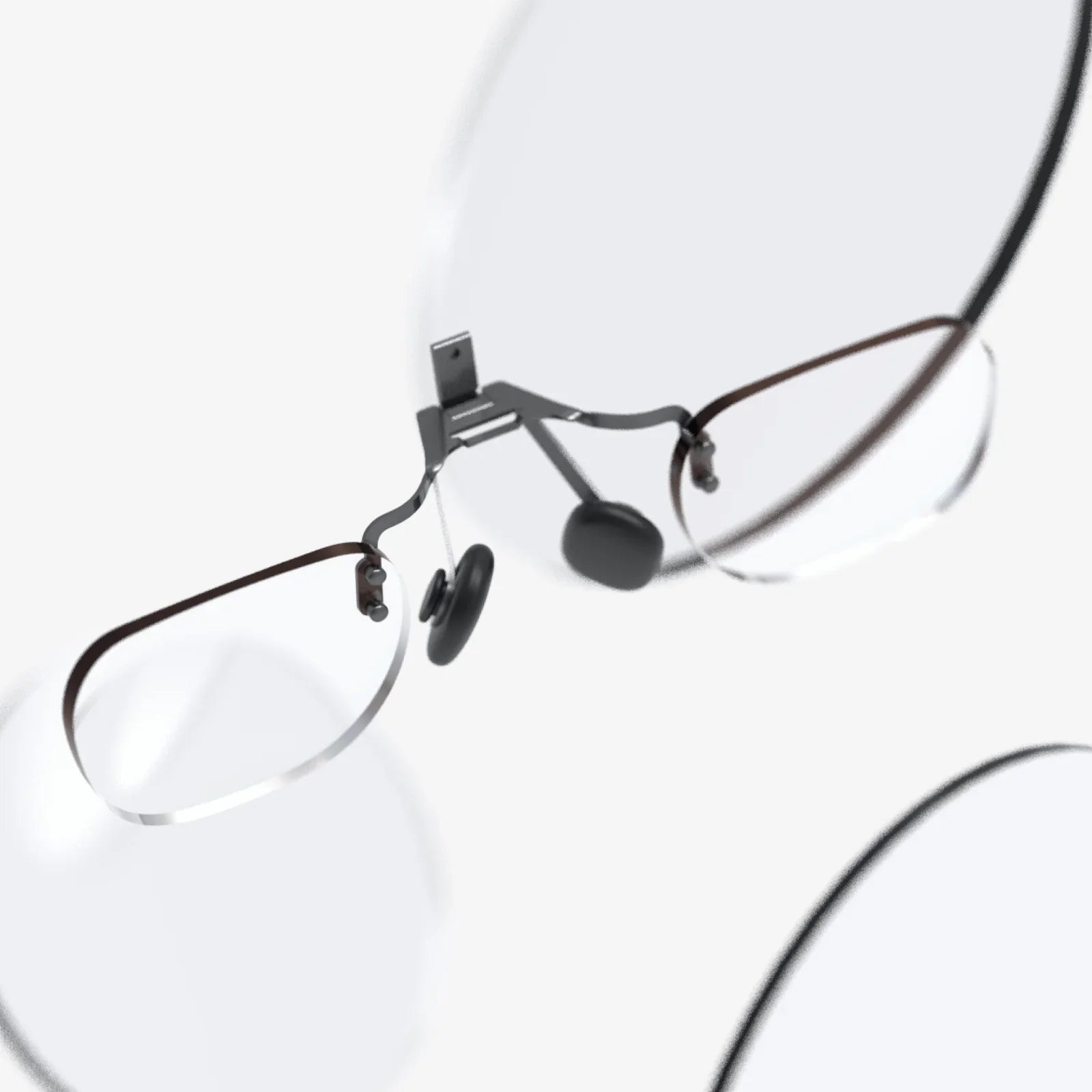
Imagine a world where your clothing monitors your vitality, your ring translates gestures into digital commands, and your eyewear overlays a universe of information onto your reality. This isn't a glimpse into a distant sci-fi future; it's the pulsating present of cool wearable technology, a realm where innovation isn't just about function but about a seamless, almost magical, integration into the human experience. The term "wearable" has evolved far beyond the step-counting wristband; it now signifies a profound fusion of biology and technology, a revolution that is as much about aesthetic expression as it is about data collection. This is the new frontier of personal tech, and it's cooler than ever.
The Evolution from Clunky to Chic
The journey of wearable technology began with promise but was often hampered by a lack of elegance. Early iterations were functional, yes, but they were also bulky, obtrusive, and painfully obvious. They screamed "technology!" in a context that demanded subtlety and style. The true breakthrough, the moment wearables became cool wearable technology, was when designers and engineers realized that adoption hinged on desirability. The device couldn't just work well; it had to look and feel good. It had to become an extension of personal identity, a fashion statement, or an invisible enhancement.
This shift in philosophy catalyzed a design renaissance. Materials science advanced, yielding lighter, more flexible, and even biodegradable components. Form factors diversified explosively, moving beyond the wrist to every conceivable point on the body. The goal was no longer to wear a computer but to experience computing through what you wear. This ethos is what separates today's cool wearable technology from its predecessors. It's technology that respects the user's style, comfort, and social context, making the powerful tech feel secondary to the enhanced human experience it enables.
Smart Fabrics and E-Textiles: The Clothes Themselves
Perhaps the most significant leap in cool wearable technology is the development of smart fabrics and electronic textiles (e-textiles). This is where technology becomes truly woven into the fabric of our daily lives—literally. These are not garments with devices sewn onto them; rather, the threads themselves are conductive, capable of sensing, responding, and even communicating.
- Biometric Monitoring: Shirts and sports bras with integrated sensors can track heart rate, respiration, muscle effort, and even electrocardiogram (ECG) data with clinical-grade accuracy, providing a holistic view of physical exertion and health without a separate strap or device.
- Climate Control: Innovative fabrics can now react to body temperature and external conditions. They can dynamically ventilate by opening micro-pores when you're hot or provide subtle heating when you're cold, maintaining perfect personal comfort in any environment.
- Haptic Feedback: Imagine a jacket that gently vibrates on the left side to indicate you need to turn left while navigating, or a suit that lets a coach tap a player on the shoulder from the sidelines. Integrated haptic actuators make this possible, creating a new language of tactile communication.
- Lighting and Display: For safety and style, fabrics embedded with micro-LEDs can illuminate for nighttime runners or change colors and patterns based on the wearer's preference or environment, turning clothing into a dynamic display.
This category represents the ultimate ambition of wearables: complete invisibility. The technology vanishes, leaving only the enhanced capability, making it arguably the coolest and most disruptive area of development.
Advanced Biometric Sensors: Knowing Yourself from the Inside Out
While early wearables focused on basic activity metrics, cool wearable technology today delves deep into the biometric realm, offering unprecedented insights into our health and well-being. The sophistication of sensors has grown exponentially, moving from the surface to the molecular level.
Modern devices can now continuously monitor:
- Blood Oxygen Saturation (SpO2): A key metric for athletes, altitude travelers, and those monitoring respiratory health.
- Electrodermal Activity (EDA): By measuring minute changes in sweat gland activity, wearables can detect subtle stress responses, helping users manage anxiety and understand their body's reactions.
- Core Body Temperature: Continuous temperature monitoring can predict illness, ovulation, and heat stress before overt symptoms appear.
- Non-Invasive Glucose Monitoring: The holy grail for many, this technology aims to measure blood glucose levels through the skin without a needle prick, which would be a life-changing advancement for millions.
These sensors are also becoming more proactive. Instead of just presenting data, they use artificial intelligence to analyze trends, provide context, and offer actionable insights. They can nudge you to take a breathing exercise when stress is detected, suggest an earlier bedtime based on sleep quality degradation, or even alert a loved one if a serious cardiac event like atrial fibrillation is identified. This shift from reactive to predictive and proactive health management is a monumental step forward.
Fashion Forward: Where High Tech Meets High Fashion
A critical component of what makes this technology "cool" is its embrace by the world of high fashion. The collaboration between tech companies and renowned designers has legitimized wearables as objects of desire. We are seeing:
- Luxury smart rings crafted from titanium and ceramic that track sleep and activity while passing as elegant jewelry.
- Designer handbags with integrated batteries and connectivity to charge your devices on the go.
- Smart eyewear collaborations between tech giants and iconic sunglasses brands, creating sleek frames that incorporate speakers, microphones, and augmented reality displays.
- Interactive dresses on fashion runways that change color and pattern based on social media interaction or the wearer's heartbeat.
This fusion ensures that technology is no longer a compromise on style. It allows individuals to adopt cutting-edge functionality without sacrificing their personal aesthetic, making the technology accessible and appealing to a much broader audience.
Augmented Reality (AR) Wearables: Overlaying the Digital on the Physical
While smart glasses are the most visible form of AR wearables, the technology is permeating other forms. AR represents a fundamental shift in how we interact with information, moving it off a screen in our hands and into our field of vision. Cool wearable technology in the AR space is about contextually aware computing.
Beyond navigation prompts and message notifications, advanced AR wearables can:
- Provide real-time translation of street signs and menus directly onto your view of the world.
- Offer step-by-step instructional overlays for repairing machinery or learning a new skill, with digital arrows and diagrams superimposed on physical objects.
- Enhance live events by showing stats over a sports field or artist information during a concert.
- Revolutionize social interaction by displaying digital avatars and environments for a blended reality meetup.
The cool factor here is the sheer magic of it—the ability to bend reality to your needs, accessing a digital layer of existence that is personalized and interactive, all through a lightweight, stylish pair of glasses or even contact lenses in the future.
The Challenges and The Ethical Horizon
For all its promise, the path forward for cool wearable technology is not without obstacles. Battery life remains a constant battle, with more powerful sensors and displays demanding more energy, pushing the limits of miniaturization and energy density. Designers must continually balance capability with comfort and battery size.
More profoundly, the era of always-on, always-sensing wearables raises critical ethical questions. The data collected is intensely personal—your location, your health, your daily habits, even your emotional state. This creates a massive responsibility for companies to ensure:
- Robust Data Security: Protecting this data from breaches is paramount.
- Transparent Privacy Policies: Users must have clear, understandable control over what data is collected and how it is used.
- Algorithmic Bias: The AI that interprets our biometric data must be trained on diverse datasets to ensure recommendations and insights are accurate for all demographics.
The future of cool wearable technology depends not just on technological innovation but on building a framework of trust and ethical responsibility.
The Future is Wearable
Looking ahead, the trajectory points toward even greater integration. Researchers are developing electronic tattoos, temporary stickers that contain full sensor suites. There is active work on smart contact lenses that can measure glucose from tears or provide AR visuals. Neural interfaces, while further out, aim to connect directly with the brain to control devices or restore function.
The end goal is a state of "calm technology," where devices inform and enhance our lives without demanding our constant attention. The technology will fade into the background, and the human experience—smarter, healthier, safer, and more connected—will move to the foreground.
The next time you see someone with a sleek ring, a seemingly normal pair of glasses, or a jacket that subtly lights up, know that you are witnessing more than a gadget. You are seeing the dawn of a new human era, an intimate partnership between our biological selves and the digital world, all wrapped up in the deceptively simple package of cool wearable technology. The revolution isn't coming; it's already here, and it's waiting for you to slip it on.
Share:
3D Display Mode: The Next Evolutionary Leap in Visual Technology
Best AR Glasses 2025: The Ultimate Guide to the Future on Your Face