


Imagine a world where your clothing monitors your health, your glasses overlay digital information onto reality, and a subtle device on your wrist could save your life. This isn't a scene from a science fiction blockbuster; it's the reality being built today by the most innovative minds in the coolest wearable tech. The term ‘wearable’ has evolved far beyond simple step counters and notification relays. We are now entering an era where technology is not just worn but integrated, becoming a seamless, intelligent, and almost invisible extension of our bodies and minds. This is a journey to the frontier of human augmentation, where the line between user and tool beautifully blurs.
The Evolution of Wearables: From Novelty to Necessity
The concept of wearable technology isn't as new as one might think. From the abacus ring of the 17th century to the cumbersome calculator watches of the 1980s, humans have long sought to port functionality onto their person. However, the modern era truly began with the advent of the fitness tracker. These simple devices democratized data, giving millions insights into their daily activity levels and sleep patterns. They were the gateway drug to a more quantified self. But soon, the limitations became apparent. A device that only told you how many steps you'd taken was interesting, but not transformative. The market demanded more—more intelligence, more functionality, more seamless integration. This demand sparked an explosion of innovation, pushing technology from the wrist to the rest of the body, and even onto and into the skin itself. The goal shifted from mere quantification to genuine enhancement, from passive tracking to active assistance.
Smart Fabrics and Functional Fashion: The Clothes That Do More
Perhaps the most significant leap forward in making wearables truly cool is the move to make the technology itself disappear. This is where smart fabrics and functional fashion take center stage. Imagine a morning run in a shirt that wicks sweat, regulates your body temperature, and simultaneously analyzes your sweat for electrolyte levels and hydration needs, sending real-time alerts to your headphones. This is the promise of biomechanical clothing. These garments are woven with conductive threads and micro-sized sensors that are undetectable to the wearer. They can monitor a vast array of physiological data: heart rate, breathing rate, muscle activity, and even emotional state through galvanic skin response. For athletes, this provides unparalleled feedback for optimizing performance and preventing injury. For the everyday user, it means health monitoring becomes a passive, continuous background process, woven literally into the fabric of their daily lives. Beyond fitness, this technology is paving the way for professional garments that can monitor the vitals of firefighters or construction workers in hazardous environments, enhancing safety protocols dramatically.
Advanced Health Monitors: The Guardians on Your Skin
While smart fabrics offer broad monitoring, a new class of ultra-specific health devices is emerging. These are the true guardians of personal well-being. Think of sophisticated patches, sleek rings, and discreet hearing aids that are packed with medical-grade technology. Continuous Glucose Monitors (CGMs) have already revolutionized life for diabetics, but their future application extends to the general population, offering deep insights into metabolic health and how individual bodies respond to different foods. The humble ring form factor has been reimagined into a power-house of biometric tracking. Worn overnight, it can provide incredibly detailed analysis of sleep stages, heart rate variability, body temperature, and blood oxygen saturation—all from a finger. This data is crucial for identifying trends related to illness, stress, and overall fitness. Furthermore, advanced hearing aids now do more than amplify sound; they can translate languages in real-time, connect seamlessly to digital ecosystems, and filter out background noise to combat cognitive decline. These devices are cool not just for their sleek design, but for their profound, life-altering potential.
Augmented Reality Glasses: Redefining Reality Itself
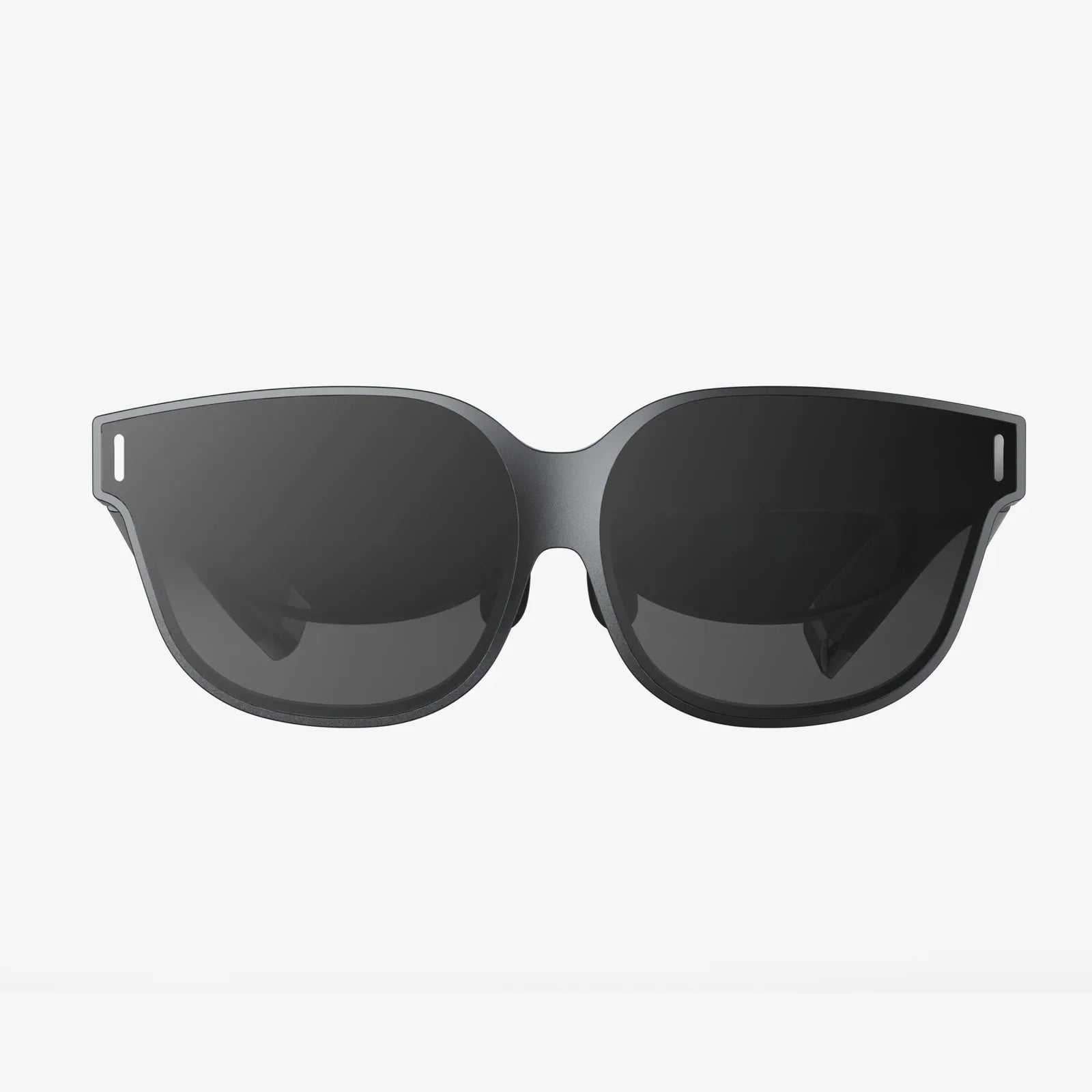
No discussion on the coolest wearable tech is complete without addressing the elephant in the room: Augmented Reality (AR) glasses. While early attempts were clunky and socially awkward, the latest iterations are focusing on style, lightness, and true utility. The goal is to create a device that looks like a regular pair of premium glasses but can overlay useful digital information onto the physical world. The applications are boundless. A mechanic could see a schematic overlaid on the engine they are repairing. A tourist could see historical facts and directions floating above the streets they walk. Doctors could visualize a patient's veins or see vital signs during surgery without looking away. In the home, you could have a floating recipe page while you cook or a giant virtual screen for productivity anywhere you go. The technology combines sophisticated waveguides, miniature projectors, and powerful spatial computing to anchor digital objects in the real world. This isn't about escaping reality; it's about enhancing it, making information contextually relevant and instantly accessible, which is arguably the coolest superpower one could wear.
Neural Interfaces and Brain-Computer Tech: The Final Frontier
Venturing into the most futuristic realm of wearables, we find neural interfaces. These devices are designed to read signals from the brain or stimulate neural activity, creating a direct communication pathway between the brain and an external device. Current non-invasive technology often takes the form of headbands or straps that use EEG (electroencephalography) to measure brainwave patterns. Their applications are already impressive, ranging from helping users meditate more effectively by providing real-time feedback on their mental state to allowing paralyzed individuals to control wheelchairs or communicate using only their thoughts. The long-term vision is even more staggering. Researchers are working on technology that could restore sight to the blind by bypassing damaged eyes and directly stimulating the visual cortex, or restore feeling and movement to limbs by bridging severed spinal cords. While the ethical implications are vast and must be carefully navigated, the potential for these devices to overcome some of humanity's most challenging physical limitations makes them the ultimate embodiment of cool, life-changing technology.
The Seamless Ecosystem: When All Your Tech Works Together
The true cool factor of modern wearables isn't just in individual devices, but in how they synergize within a larger ecosystem. The value of a smart ring is magnified when its sleep data informs your morning workout recommendation on your wrist device. The health data from your shirt can provide context to the stress levels detected by your neural headband. Your AR glasses can become the visual display hub for all this aggregated data, presenting it to you exactly when and where you need it. This interconnectedness creates a holistic picture of your well-being, productivity, and environment that is far greater than the sum of its parts. It moves the experience from one of managing multiple gadgets to one of being assisted by a unified, intelligent system that understands your needs and anticipates your actions. Privacy and security are paramount concerns in this connected vision, driving innovation in on-device processing and secure data protocols to ensure that your most personal information remains yours alone.
Design and Sustainability: The New Cool
Coolness is no longer just about raw technical specs; it's deeply tied to aesthetics and ethics. The leading wearable tech companies now employ world-class fashion designers to ensure their products are objects of desire. Collaborations with high-end fashion brands are becoming commonplace, producing limited-edition devices that are as much a statement piece as they are a piece of technology. Materials science is also advancing rapidly, with a focus on sustainability. The next generation of devices will increasingly use recycled metals, biopolymers, and modular designs that allow for easy repair and upgrading, combating the dreaded cycle of electronic waste. A device isn't truly cool if its creation harms the planet. The coolest wearable tech of the future will be measured not only by what it can do but by its minimal footprint and timeless design.
The future is not something we enter; it's something we create, and right now, we are creating it to wear. The coolest wearable tech is swiftly moving us from an age of convenience to an age of enhancement, offering a glimpse into a future where our potential is limited only by our imagination. This is just the beginning of a deeper symbiosis between human and machine, and the next chapter promises to be even more extraordinary.
Share:
Augmented Reality Virtual Reality Updates Today: The Metaverse is Closer Than You Think
Augmented Reality Virtual Reality Updates Today: The Metaverse is Closer Than You Think