You've seen the breathtaking trailers, read the hype about the metaverse, and imagined yourself stepping into another world. The promise of virtual reality is intoxicating, a gateway to unimaginable experiences. But before you take that plunge, a single, pragmatic question cuts through the fantasy: what is the real, total cost of virtual reality systems? The answer is far more complex than a simple price tag on a headset. It's a layered investment, an ecosystem of expenses that ranges from an accessible entry point to a breathtakingly high-end commitment. Unpacking this cost is the essential first step to determining if VR is a passing curiosity or a transformative technology for your life.
The Hardware Foundation: The Headset Itself
The most obvious and significant portion of the cost of virtual reality systems is the head-mounted display (HMD), the gateway device itself. This market has stratified into three distinct tiers, each with its own philosophy and price point.
Entry-Level: Smartphone-Based VR (The Fading Paradigm)
Once a popular starting point, this tier leverages the processing power and display of a smartphone inserted into a headset shell. The cost for the shell itself can be very low, sometimes under fifty dollars for basic models. However, this category has largely been deprecated. The experiences are severely limited by the phone's sensors, lack positional tracking (the ability to lean in and move around), and offer a limited library of software. While the upfront hardware cost seems minimal, it represents a compromised and largely outdated VR experience that fails to capture the medium's true potential. For most consumers, this is no longer a viable path into VR.
Mid-Range: Standalone VR Systems (The Modern Standard)
This is currently the most popular and recommended entry point for new users. Standalone systems are all-in-one devices; the compute unit, display, and batteries are integrated directly into the headset. There is no need for an external computer or console, offering incredible freedom and ease of use. Prices for these systems typically start in the three to four hundred dollar range for the base model with a limited storage capacity.
This initial cost, however, is often just the beginning. Manufacturers frequently use a "razor and blades" model. The headset is sold near cost, but the essential controllers—your hands in the virtual world—are always included. The real "blades" are the proprietary accessories and software. A more comfortable, upgraded headstrap is often a near-essential purchase for extended play sessions, adding another fifty to one hundred dollars. Additional face gaskets for hygiene, carrying cases, and rechargeable battery packs for the controllers can add up, easily pushing the total hardware investment closer to five or six hundred dollars for a comfortable, fully-featured setup.
High-End: PCVR and Console-Tethered Systems (The Enthusiast's Choice)
For the highest-fidelity experiences—the most graphically intense games, professional simulations, and intricate creative tools—you need a tethered headset. These devices act as high-resolution displays and sensors but offload all the processing to a much more powerful external machine.
The headsets themselves can range from five hundred to well over a thousand dollars for professional-grade models. But the headset cost is only part of the story. The true barrier to entry is the computer required to run it.
- The PC Tax: To properly run a high-end headset, you need a powerful gaming computer. This means a recent, higher-tier graphics card, a capable processor, and sufficient RAM. The cost of building or buying a VR-ready PC can easily range from one thousand to two thousand five hundred dollars or more, depending on the target resolution and refresh rate. This is a massive, often overlooked, component of the total cost of virtual reality systems in this tier.
- The Console Alternative: One way to mitigate the "PC Tax" is through console-based VR. A dedicated VR headset for a popular games console offers a curated, high-quality experience at a significantly lower total cost. The headset price is comparable to a standalone system, and it leverages the console you already own. This represents the most cost-effective way to access high-fidelity VR content, though it is limited to a single, closed ecosystem.
The Software Library: Funding Your Digital Existence
A headset without software is a barren portal. The cost of building a library of VR experiences is a recurring and variable expense that must be factored in.
- Games and Experiences: Premium VR games are priced similarly to traditional console games, typically ranging from twenty to sixty dollars. While there are free experiences and demos, the titles you will spend the most time with are paid. A robust library of ten to twenty games represents an investment of several hundred dollars.
- Productivity and Creative Apps: If you're interested in VR for more than gaming, professional and creative applications can carry hefty price tags. 3D modeling software, virtual architectural visualization tools, and advanced meditation or fitness platforms often operate on a subscription model, creating an ongoing expense.
- Media Consumption: While services like VR concert platforms or immersive movie experiences might seem free, they often require paid subscriptions or pay-per-view tickets.
The Hidden and Recurring Costs
Beyond the clear hardware and software lies a shadow ecosystem of expenses that first-time buyers frequently forget.
- Physical Space: Room-scale VR, where you physically walk around a virtual space, requires a clear, safe area. This isn't a direct monetary cost for everyone, but for those living in cramped spaces, it might represent an impossible barrier or necessitate rearranging furniture, effectively "costing" you usable square footage.
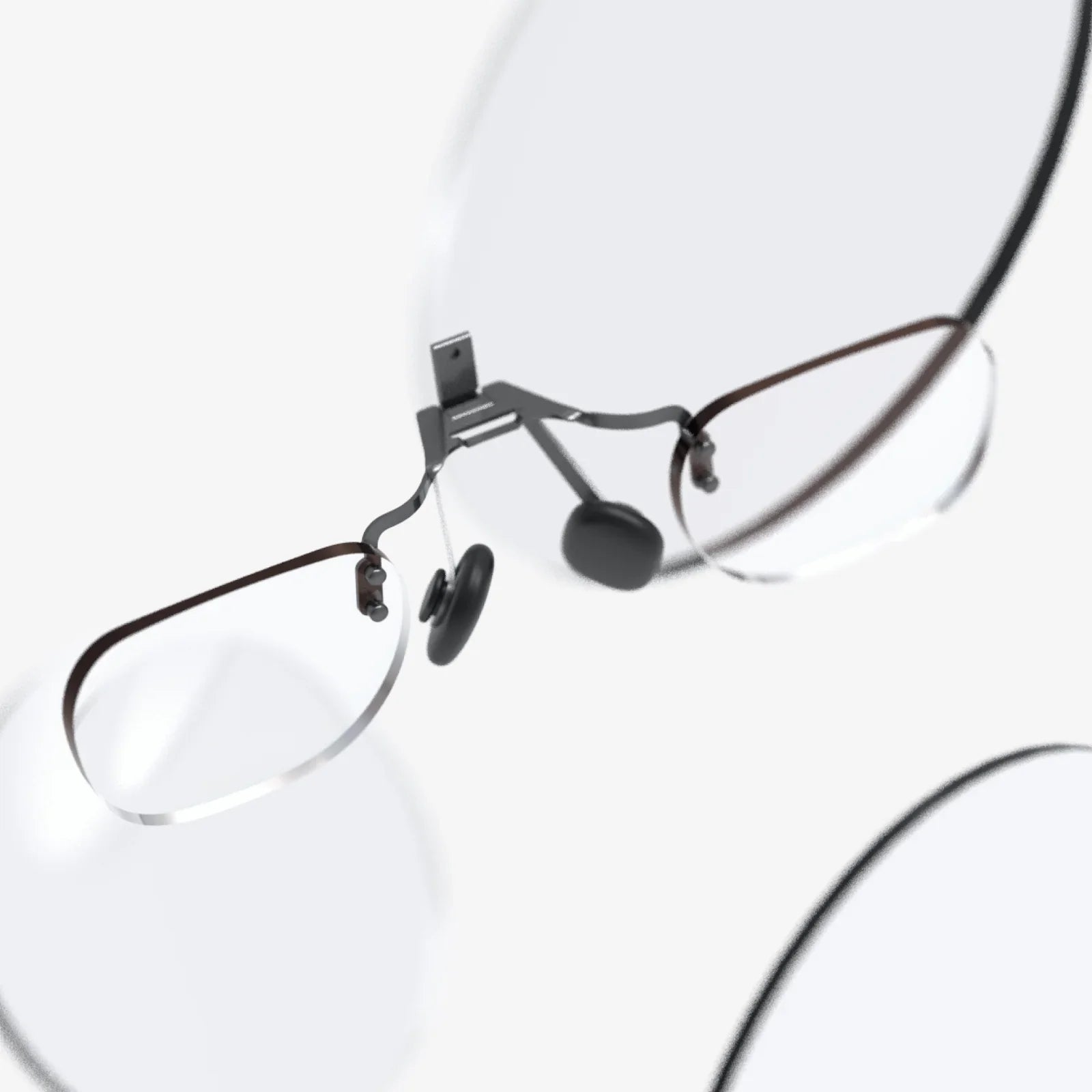
- Power and Accessories: VR is power-hungry. Standalone headsets need frequent charging, and a PCVR setup significantly increases electricity consumption. Furthermore, you may find yourself purchasing accessory holders, VR mats to define your play space, prescription lens inserts if you wear glasses, and advanced controller straps.
- Internet Connectivity: A strong, reliable internet connection is mandatory for downloading large game files (which can be 10-20GB each), accessing cloud-based VR services, and engaging in multiplayer experiences. This isn't a new cost for most, but it is a prerequisite that must be available.
- Future-Proofing and Upgrades: VR technology is advancing at a rapid pace. The headset you buy today may be obsolete in three to four years. Unlike a console that has a seven-year lifecycle, the cost of virtual reality systems is recurring if you wish to stay on the cutting edge. This is a cost of admission that repeats.
The Total Cost of Ownership: Building a Realistic Budget
So, what does it all add up to? Let's build a realistic budget for two common scenarios.
Scenario 1: The Newcomer (Standalone System)
- Headset (Base Model): $400
- Comfort Strap Upgrade: $50
- Five Premium Games (@ $40 avg.): $200
- Accessories (Case, battery pack): $80
- Estimated Total First-Year Investment: ~$730
Scenario 2: The Enthusiast (High-End PCVR)
- VR-Ready Gaming PC: $1,500
- High-End Headset: $1,000
- Ten Premium Games/Apps: $400
- Specialized Accessories: $150
- Estimated Total First-Year Investment: ~$3,050
These figures are sobering. They illustrate that the true cost of virtual reality systems is rarely the number advertised on the box. It is the cost of the entire ecosystem required to support a quality experience.
Is It Worth It? Quantifying the Value Proposition
Cost alone is meaningless without context. The value of VR is subjective and must be measured against the experiences it enables.
- Gaming Revolution: For gamers, VR offers a level of immersion that is fundamentally unreachable on a flat screen. The value of being inside the game, of using your own hands to interact with the world, is transformative and for many, justifies the investment.
- Beyond Entertainment: The value proposition expands dramatically when VR is used for fitness (replacing gym memberships), virtual tourism (exploring places otherwise inaccessible), remote collaboration (saving on travel costs), or professional training (providing safe, repeatable simulations for surgeons, pilots, or mechanics). In these cases, the technology isn't a cost but a tool that provides tangible returns.
- The Intangible ROI: How do you price the wonder of witnessing a prehistoric ecosystem, the joy of painting in 3D space, or the connection felt in a social VR space with friends across the globe? For its adopters, VR provides unique forms of joy, education, and connection that simply have no equivalent, making the financial cost pale in comparison to the experiential return.
The journey into virtual reality is not a simple purchase; it's an investment in a new frontier of human experience. The price of admission, from the headset on your face to the silicon powering it and the worlds you'll explore, is a carefully calculated equation of desire, budget, and technological ambition. While the initial sticker shock can be real, understanding the full breakdown empowers you to make an informed decision. For those who take the leap, the cost of virtual reality systems isn't just an expense—it's the ticket price for the next evolution of how we play, work, and connect.

Share:
Define the Term Virtual Reality: A Journey into the Digital Frontier
Challenges Faced With Virtual Reality: Navigating the Hurdles on the Path to Immersion