


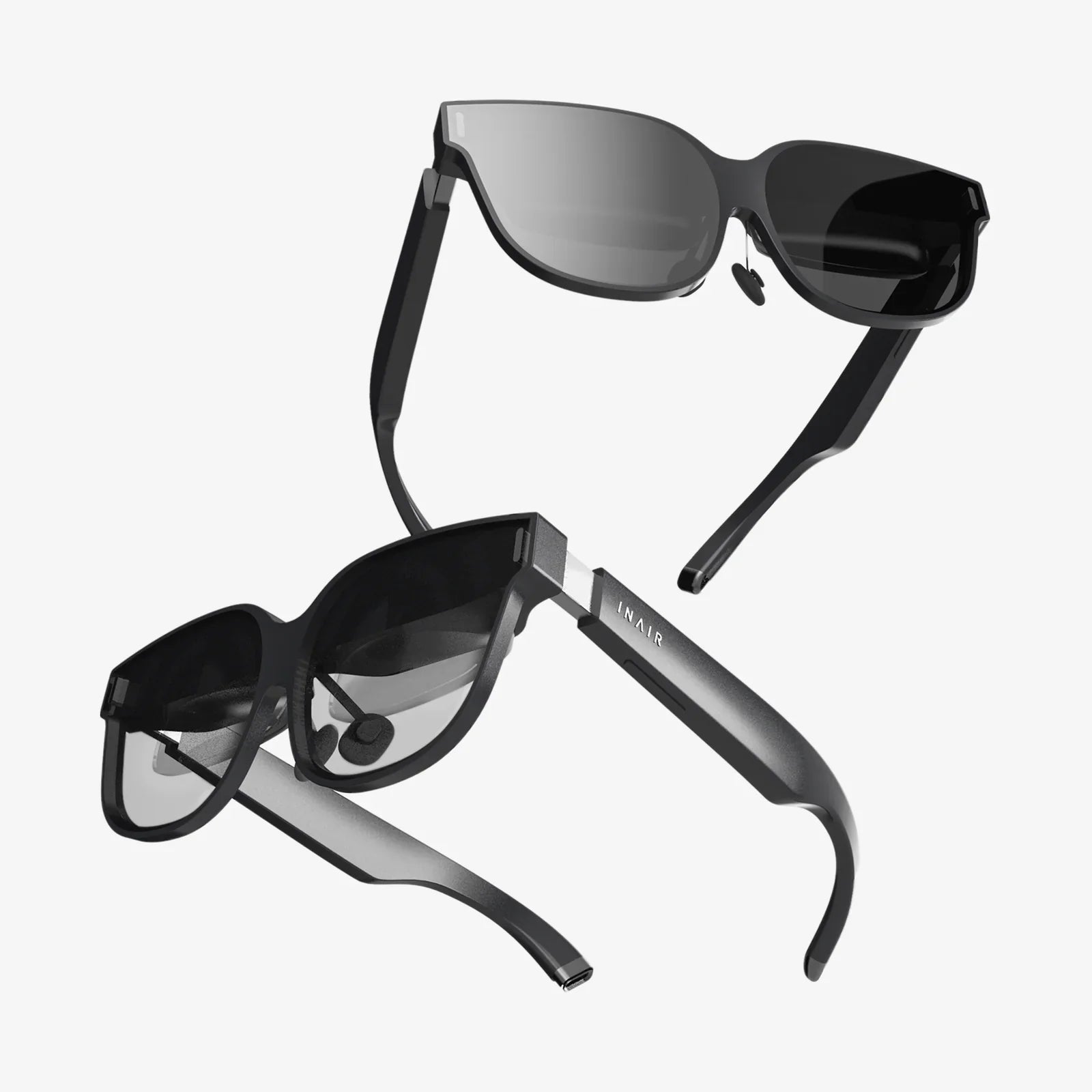
- by wangfred
Creative Elements for AR and VR Experiences: The Art of Building Immersive Worlds
- by wangfred
Imagine a world where your living room transforms into a prehistoric jungle, where historical figures can sit on your sofa to share their stories, or where you can sculpt constellations in the air with your bare hands. This is no longer the stuff of science fiction; it is the burgeoning reality shaped by Augmented and Virtual Reality technologies. The true magic, however, doesn't lie in the headsets themselves, but in the meticulously crafted creative elements that breathe life, meaning, and wonder into these digital dimensions. For creators and developers, understanding and mastering these elements is the key to moving beyond technological demo and into the realm of unforgettable human experience.
Before a single asset is modeled or a line of code is written, the first and most crucial creative element is the conceptualization of space itself. Unlike traditional 2D media, AR and VR are inherently spatial mediums. The user doesn't just look at a world; they are physically within it. This demands a new paradigm of design thinking focused on worldbuilding.
In Virtual Reality, worldbuilding is about constructing a fully convincing and cohesive environment. Every detail matters, from the scale of buildings to the way light filters through leaves. The goal is to achieve presence—the user's undeniable sensation of being somewhere else. This requires a deep understanding of environmental storytelling. A discarded letter on a table, distant, echoing sounds, and subtle visual cues can tell a more powerful story than any block of exposition text. The environment is no longer a backdrop; it is a primary character and narrator.
In Augmented Reality, worldbuilding is a dance between the digital and the physical. The creative challenge is to design digital elements that not only coexist with the real world but also enhance and interact with it meaningfully. This involves considering lighting conditions, surface textures, and physical obstructions. A successful AR experience makes it feel as if a digital creature is actually sitting on your wooden table, casting a realistic shadow and perhaps even reacting to you walking around it. The creativity lies in finding the delightful or meaningful intersections between bits and atoms.
If spatial design is the stage, then interaction is the performance. How users engage with the digital world is arguably the most defining creative element of AR and VR. Clunky, unintuitive controls shatter immersion instantly, while elegant, natural interactions empower the user and deepen their connection to the experience.
Creative interaction models often leverage embodied cognition—the idea that our understanding of the world is tied to our physical bodies. Instead of pressing a button to open a door, you reach out, grab the handle, and pull. Instead of using a menu to select a tool, you reach over your shoulder to grab a virtual sword from your back. These metaphoric interactions feel natural because they map digital actions to real-world physical metaphors.
Furthermore, granting user agency is paramount. The experience should react to the user's actions in believable ways. Can they pick up and examine any object? Does the environment change based on where they look or stand? This agency transforms the user from a passive observer into an active participant, making them a co-author of their experience. A creative element here is designing for unexpected user behavior; the most memorable moments often come from users doing something the creators didn't explicitly plan for, but which the world supports.
Visuals are only one thread in the rich tapestry of immersion. The creative use of sound and haptics is what truly weaves the experience together, creating a cohesive and convincing sensory fabric.
Spatial audio is a non-negotiable creative element. Sound must behave as it does in the real world: it should be positional, changing in volume and timbre based on its distance and direction from the user. The creative application of audio tells the user where to look, warns them of unseen dangers, and creates an emotional soundscape. The faint rustle of leaves behind you in a VR horror game is infinitely more powerful than a loud musical sting.
Similarly, haptic feedback moves beyond simple controller rumble. Creative implementations range from the subtle vibration of a virtual object brushing past you to the simulated resistance of pulling a bowstring. Emerging technology like haptic suits and gloves will further expand this palette, allowing creators to simulate rain, wind, or even the touch of another person. This tactile layer completes the illusion, making the virtual tangible.
Technology and interaction are meaningless without a human core. The creative element that elevates an experience from a cool tech demo to a profound piece of art is its narrative and its ability to generate genuine emotional resonance.
Storytelling in immersive media is fundamentally different. The traditional linear narrative is often replaced by emergent narrative—stories that unfold based on the user's actions and explorations. The creator's job is to design a world with narrative potential, seeding it with characters, lore, and scenarios that the user can discover at their own pace. It’s about curating a journey, not dictating a plot.
This medium is uniquely suited for empathy-driven experiences. By literally placing someone in another person's shoes—seeing the world through their eyes, using their body—VR, in particular, can foster a deep, visceral understanding of perspectives far removed from our own. This powerful creative application can be used to drive social change, build compassion, and explore the human condition in ways previously impossible.
Finally, some of the most powerful creative elements are those that embrace the innate magic of the medium to create moments of pure wonder and play. AR and VR are not bound by the laws of physics, and the most imaginative creators leverage this to its fullest.
This is the element of superpowers. Allowing users to shrink to the size of an insect, freeze time, teleport across a landscape, or manipulate gravity. It’s about creating interfaces that feel like magic—drawing symbols in the air to cast spells or conjuring menus from nothingness. This playfulness is a huge part of what makes these mediums so captivating. It rekindles a childlike sense of wonder and encourages users to experiment, play, and see their own reality in a new light.
In AR, this can mean creating persistent digital objects that live in your home, waiting for you to interact with them each day, or designing games that turn your entire city into a playground. It’s about finding the extraordinary hidden within the ordinary fabric of daily life.
The toolbox for AR and VR creators is constantly expanding. New creative elements are emerging on the horizon, powered by advancements in technology. Eye-tracking allows for experiences that respond to where a user is looking, enabling more nuanced social interactions with virtual characters who can make eye contact and creating new gameplay mechanics based on attention. Biometric feedback, such as reading a user's heart rate, could allow experiences to adapt in real-time to their emotional state, intensifying a horror game when they are calm or offering support in a therapeutic application if they show signs of anxiety.
The integration of artificial intelligence promises truly dynamic worlds populated with characters that can hold unique conversations and narratives that are generated on-the-fly in response to the user. This will push the creative elements away from pre-scripted outcomes and towards the creation of systems that generate endless unique experiences.
The journey into spatial computing is ours to shape. It is a blank canvas waiting for artists, storytellers, and designers to define its language. By mastering the creative elements of spatial design, intuitive interaction, sensory atmosphere, emotional narrative, and playful magic, we can build experiences that do more than just simulate reality—they can enhance it, challenge it, and reveal its hidden wonders. The next great immersive masterpiece will be born not from a higher resolution display, but from a revolutionary idea that touches the human heart and expands the mind, inviting us all to look at our world, and ourselves, differently.
Share:
New in Augmented Reality: The Next Digital Revolution Transforming Our World
AI Audio Glasses: The Next Frontier in Personal Technology and Ambient Computing