


- by wangfred
New in Augmented Reality: The Next Digital Revolution Transforming Our World
- by wangfred
Imagine a world where the digital and the physical are no longer separate realms, but a single, interconnected tapestry of experience. This is no longer the stuff of science fiction; it is the promise of the latest wave of innovation, a seismic shift happening right before our eyes—and through our screens. The frontier of technology is being redrawn, and it’s happening not in the isolated confines of a headset, but layered seamlessly onto the reality we already know. The next chapter of human-computer interaction is being written, and it is astonishingly immersive, intuitive, and intelligent.
For years, augmented reality was often perceived as a novel gimmick—a fun filter for social media or a marketing stunt. However, the technology has undergone a profound metamorphosis. The term "augmented reality" itself is evolving into the more encompassing concept of spatial computing. This new paradigm is not about overlaying a simple graphic; it's about the computer understanding and interacting with the space around it in a deeply contextual way.
What's truly new is the move towards persistent and precise AR. Instead of digital objects awkwardly floating in place, they can now be semantically anchored to the physical world. A virtual pet might convincingly hide under your real coffee table, a digital clock can sit permanently on your real wall, and a complex engineering schematic can be pinned to a specific machine on a factory floor, remaining there for any authorized colleague to see hours or days later. This persistence is powered by a combination of advanced computer vision, machine learning, and sophisticated environmental mapping that creates a digital twin of our world.
Underpinning this persistent experience is perhaps the most significant development: the emergence of the AR Cloud. Think of it as a one-to-one scale, real-time digital copy of the planet—a shared canvas that everyone can access and contribute to. This is the infrastructure that will allow for multi-user AR experiences that are coherent and consistent for everyone involved.
The implications are staggering. Navigation arrows painted on the street guiding you to your destination, visible only through your device. Historical figures seemingly standing on the very spot where a famous event occurred, narrating their story. Virtual art galleries occupying empty city lots, with visitors from around the world able to explore them simultaneously. The AR Cloud transforms the entire world into a platform, akin to a real-world internet where information is not on a page but placed on a location.
These spatial advancements are being supercharged by parallel revolutions in artificial intelligence. AI is the engine that makes new AR not just visual, but intelligent. Generative AI models can now create 3D assets and environments on the fly, moving beyond pre-rendered graphics to dynamic, responsive digital content.
More importantly, AI provides the contextual awareness that makes AR genuinely useful. Your AR device could use real-time object recognition to identify the parts in your refrigerator and suggest a recipe, overlaying cooking instructions directly onto your countertop. It could translate a foreign menu instantly as you look at it, or identify a rare flower during a walk in the park, presenting information about it floating beside its petals. The interface is shifting from commands and clicks to gaze, gesture, and context. The computer is no longer a tool we operate; it is an assistant that understands our environment and our intentions within it.
While consumer applications capture the imagination, some of the most impactful and mature uses of new AR technology are happening in enterprise and industrial settings. This is where the return on investment is clear and immediate, driving rapid adoption.
On the consumer front, social interaction is being reimagined. New AR platforms are moving beyond static filters to create shared social experiences. Friends separated by continents can play a virtual board game on a real table, their avatars interacting with the physical environment. Concerts can be experienced with fantastical visual effects layered over the real-world stage, or even from your own home, making your living room the venue.
Storytelling is also becoming immersive and participatory. Instead of watching a narrative unfold on a screen, you could become a character within it, solving puzzles hidden in your own home or following digital clues through a city park. This blending of narrative and physical space creates a powerful, memorable form of entertainment that is uniquely personal.
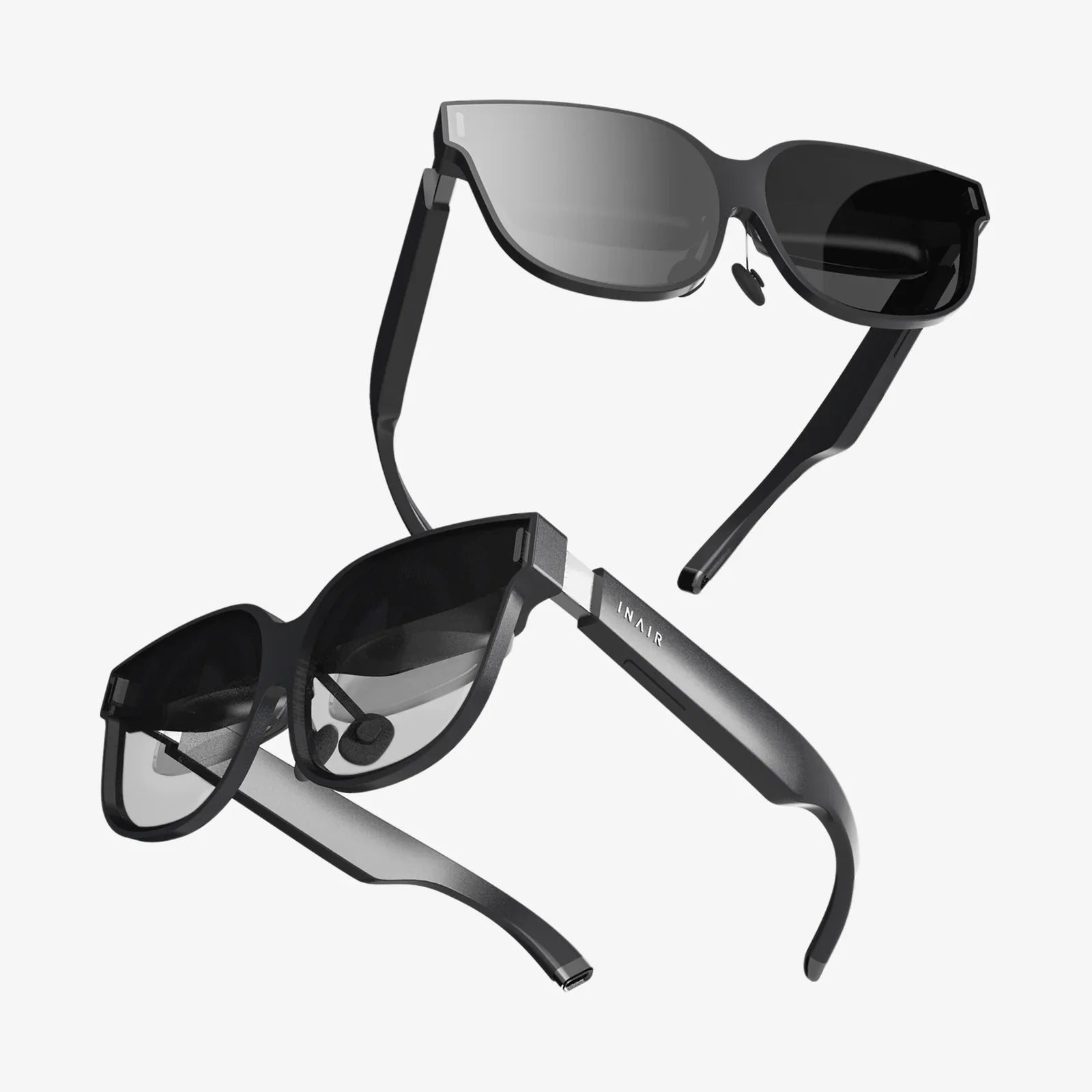
A critical enabler of this always-available, contextual AR is the hardware. The bulky, expensive headsets of yesterday are giving way to a new generation of sleek, socially acceptable smart glasses. The goal is to make the technology fade into the background—to make the interface invisible.
These new devices prioritize comfort, battery life, and a natural field of view. They often use innovative display technologies like holographic waveguides that project light directly onto the retina, allowing users to see bright digital images while still clearly seeing the world around them. The ultimate ambition is a pair of glasses that look no different from standard eyewear but contain the power to layer infinite information and experiences onto your reality.
This exciting future is not without its significant challenges. As AR becomes more woven into the fabric of daily life, it raises profound questions about privacy, data security, and the very nature of reality.
The technology required for precise AR—cameras, sensors, microphones—is inherently invasive. The creation of a detailed, constantly updated 3D map of everyone's homes and cities is a privacy challenge of unprecedented scale. Who owns this data? How is it stored and secured? The potential for surveillance and data misuse is a serious concern that must be addressed with robust ethical frameworks and transparent regulations.
Furthermore, the concept of digital vandalism becomes a real threat. If anyone can leave a virtual tag on a real-world monument, how do we curate our shared visual space? The potential for misinformation, offensive content, and visual spam is high. Societies will need to develop new norms and potentially new digital zoning laws to manage this augmented public sphere.
There is also the risk of a new "digital divide," not just in access to the technology, but in the ability to navigate an increasingly augmented world. As essential information and services move into this layer, those without access or the skills to use it could be left further behind.
Finally, we must consider the psychological impact. Will constant notifications and digital overlays lead to increased anxiety and a diminished capacity to be present in the moment? The line between the virtual and the real will blur, challenging our perceptions and potentially altering our shared sense of what is authentically "real."
The pace of change is breathtaking, hurtling us toward a future where our physical and digital lives are inextricably fused. This is not a distant horizon; the foundational layers are being built today in research labs, startups, and major tech hubs across the globe. The devices are becoming lighter, the graphics more photorealistic, and the artificial intelligence more seamlessly integrated. We are standing at the precipice of a new era of human experience, one where our environment becomes alive with information, narrative, and connection. The world itself is about to become the ultimate display, and how we choose to build upon it will define the next chapter of our digital evolution.
Share:
Augmented Reality Problem: Navigating the Unseen Pitfalls of Our Digital Overlay
Creative Elements for AR and VR Experiences: The Art of Building Immersive Worlds