


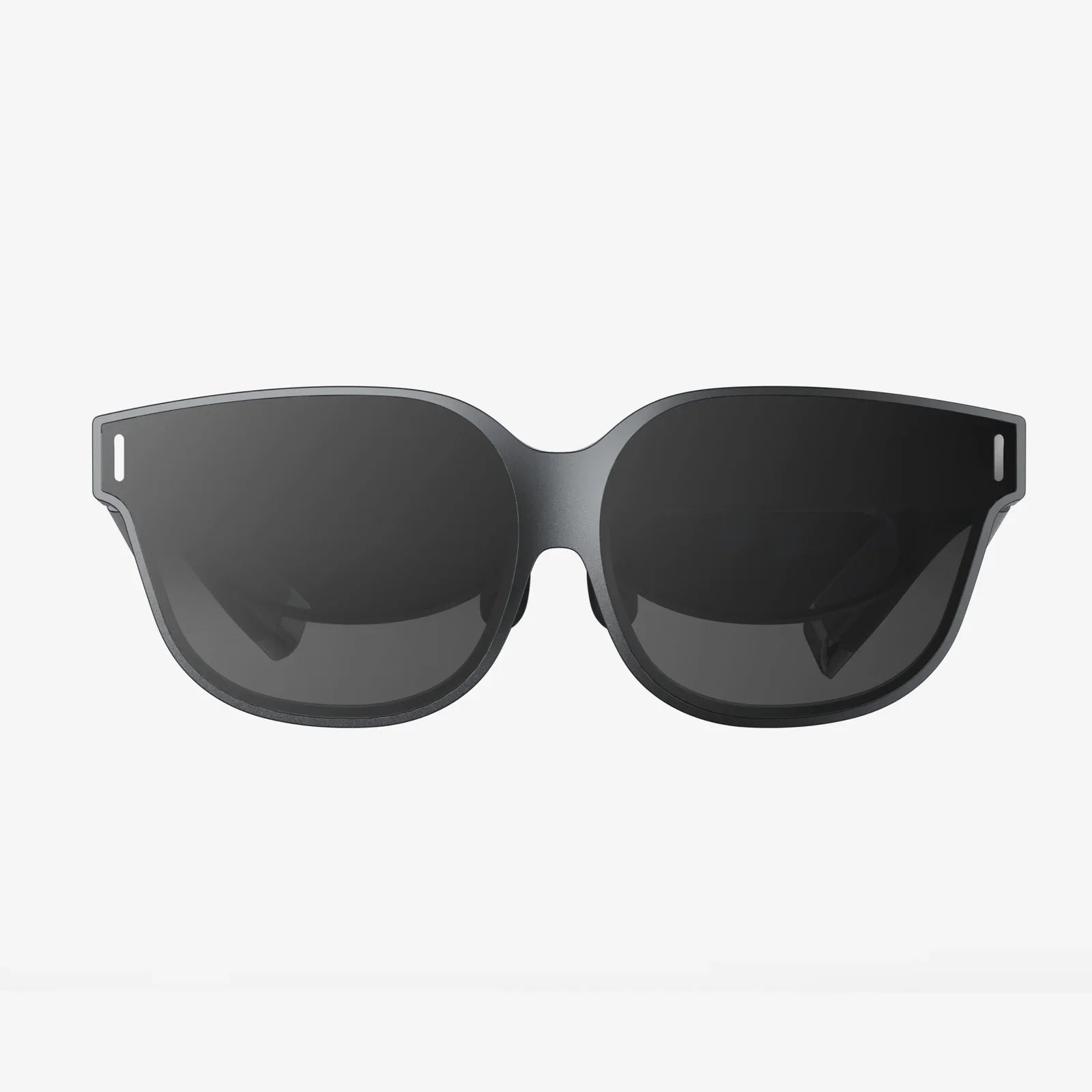
Imagine slipping on a headset and instantly being transported to a breathtaking virtual concert, a intense strategic battle, or a serene meditation retreat. This is no longer a fantasy reserved for the wealthy tech elite or science fiction. The dream of accessible, high-quality virtual reality is here, and it’s powered by what the industry now calls a decent VR headset. The barrier to entry has crumbled, inviting everyone to experience digital worlds that feel tangibly real. But what does "decent" actually mean in a market flooded with options? It’s the sweet spot—the gateway to genuine immersion without the stratospheric price tag. Let's dive in and discover what makes a VR headset truly worthy of your time and investment.
The Goldilocks Zone: Defining "Decent" in Virtual Reality
The term "decent" is not about settling for mediocrity; it's about achieving the perfect equilibrium. It represents a class of hardware that has successfully bridged the gap between the underwhelming, nausea-inducing experiences of early generations and the prohibitively expensive, cutting-edge kits aimed at professionals. A decent VR headset is one that provides a reliably immersive and comfortable experience, capable of running a robust library of software without frustrating technical hiccups, all at a price point that feels reasonable for an enthusiast or a curious newcomer.
This category is defined by a few non-negotiable pillars: visual clarity that avoids the dreaded "screen door effect," tracking that is both precise and responsive, a design that can be worn for extended sessions without discomfort, and a software ecosystem rich with compelling content. It’s the headset you recommend to a friend without a long list of caveats. It’s the device that makes you forget you’re wearing technology and allows you to simply experience the adventure.
The Core Components of a Quality Experience
To understand what makes a headset stand out, we must dissect its core components. Each element plays a crucial role in building the illusion of reality.
Display and Optics: Your Window to Another World
The quality of the display is arguably the most critical factor. Two key specifications reign supreme: resolution and refresh rate.
- Resolution: A decent VR headset will typically feature a combined resolution (per eye) that meets or exceeds what is often termed "high-definition" for VR. This means sharp enough text and detailed environments that prevent the world from looking blurry or pixelated. While top-tier headsets push into 4K+ territory, a good target for a decent experience is a resolution that makes the screen door effect—the visible grid lines between pixels—a non-issue during active gameplay.
- Refresh Rate: Measured in Hertz (Hz), this determines how smoothly the image updates. A higher refresh rate is directly correlated with a lower likelihood of motion sickness and a more lifelike, fluid experience. For a comfortable and decent experience, a minimum of 90Hz is standard, with many newer devices offering 120Hz modes for even greater smoothness.
- Lens Quality: High-quality Fresnel or aspherical lenses are essential for providing a wide, clear field of view (FOV) and a large "sweet spot"—the area where the image is perfectly in focus. Poor lenses can cause god rays, glare, and chromatic aberration, which instantly shatter immersion.
Tracking and Controllers: Your Virtual Hands
How you interact with the virtual world is just as important as how you see it. Precise tracking is the foundation of presence.
- Inside-Out vs. External Tracking: Modern decent headsets overwhelmingly use inside-out tracking. This means cameras on the headset itself track the position of the controllers and the surrounding room, eliminating the need for external base stations or sensors placed around your play area. This setup is far more user-friendly, portable, and accessible, offering excellent accuracy for the vast majority of applications.
- Controller Design: The controllers are your hands. A good design will feel natural, ergonomic, and intuitive. They should feature analog sticks, buttons, triggers, and haptic feedback. Advanced features like individual finger tracking are now trickling down from premium models, adding another layer of expressiveness to interactions.
Comfort and Design: Forget You're Wearing It
A headset can have the best specs on paper, but if it’s a pain to wear, it will gather dust. Design choices directly impact longevity of use.
- Weight Distribution: A front-heavy device will strain your neck and face. Decent headsets often use counter-balancing techniques, like a battery in the rear strap, to distribute weight evenly across the head.
- Strapping System: The classic three-strap halo design or the more modern rigid strap with a top support are common in comfortable devices. They allow for a secure fit without applying excessive pressure to the face.
- Materials and Ventilation: Plush, breathable facial interfaces are crucial, especially for active games. Proper ventilation prevents the lenses from fogging up and keeps the user cool during extended sessions.
Audio: Hearing is Believing
3D spatial audio is a silent hero of VR immersion. Hearing a creature creeping up behind you or the echo of your voice in a vast cavern is transformative. Decent headsets rarely rely on simple built-in speakers. Instead, they often feature integrated directional audio solutions or high-quality audio jacks for your own headphones, providing rich, positional sound that sells the fantasy of being somewhere else.
The Software Ecosystem: The Soul of the Machine
The most powerful headset is a useless brick without compelling software. A decent VR headset must have access to a thriving storefront with a diverse range of experiences.
This includes not only AAA games with dozens of hours of content but also innovative indie titles, creative social platforms, breathtaking educational experiences, and unique productivity tools. The platform's stability, ease of use, and social features (like easy friend invites and party systems) are also part of what makes the overall package "decent." A closed ecosystem with limited software support cannot provide a good long-term experience, no matter the hardware specs.
Setting Realistic Expectations: The Trade-Offs
Choosing a headset in this category involves understanding the sensible compromises made to hit its price point.
- Performance: You may not be able to max out every graphical setting on the most demanding titles, but a decent headset paired with appropriate hardware will deliver a consistently smooth and visually pleasing experience.
- Features: You might not get every bleeding-edge feature like eye-tracking, facial expression capture, or wireless add-ons that are found on flagship models. However, the core experience of immersion and interaction remains intact and highly enjoyable.
- Fidelity: The visual fidelity will be excellent for immersion but may not match the photorealistic clarity of a headset costing two or three times as much. The jump from "bad" to "decent" is monumental; the jump from "decent" to "elite" is more of a refinement.
Who is the Decent VR Headset For?
This category is perfectly tailored for several key audiences:
- The VR Curious: Individuals who have always wanted to try VR but were hesitant due to cost or complexity. This is their ideal, low-risk entry point.
- The Gaming Enthusiast: Gamers looking to expand their hobby into a new dimension and experience titles that are only possible in VR.
- The Social Explorer: People interested in the social and experiential aspects of VR—attending virtual events, exploring user-generated worlds, and connecting with friends in new ways.
- The Fitness-Conscious User: Those seeking a fun and engaging way to exercise through dedicated VR fitness apps and active games.
The journey to finding the right virtual reality gear no longer requires a map to Fort Knox. The market has matured, delivering a class of hardware that masterfully balances performance, comfort, and cost. A decent VR headset is no longer an oxymoron; it's the standard, offering a passport to incredible worlds, heart-pounding adventures, and shared social spaces. It proves that the future of immersive technology is not a distant promise for the few, but a present-day reality for the many. Your front-row seat to countless realities is waiting, and it’s more accessible than you ever thought possible.
Share:
Android VR: The Accessible Portal to Immersive Digital Worlds
Android VR: The Accessible Portal to Immersive Digital Worlds