


- by wangfred
Define Virtual Office: The Ultimate Guide to the Future of Work
- by wangfred
Imagine running a global enterprise from a beachside café, a mountain retreat, or your inner-city apartment. Imagine projecting an image of professionalism and stability without the crushing overhead of a long-term lease. This is not a distant, futuristic fantasy; it is the present-day reality made possible by the virtual office, a concept that has evolved from a niche convenience into a cornerstone of modern business strategy. To truly understand the seismic shift in how we work, we must first define virtual office and unpack the powerful tools and profound implications bundled within this transformative term.
At its core, a virtual office is a comprehensive suite of services that allows businesses and professionals to establish a professional presence and operate effectively without the need for a physical, long-term office space. It is a service, not a place. It provides the infrastructure, communication tools, and professional facade of a traditional office, but delivered digitally and on-demand, freeing the workforce from geographical constraints.
It is crucial to distinguish a virtual office from simple remote work. While all virtual office users typically work remotely, not all remote workers utilize a virtual office. Remote work describes the act of working outside a central office. A virtual office is the ecosystem that makes that work seamless, professional, and scalable. It answers critical business needs: "How do I get my mail?" "What is my business address?" "How do I receive important phone calls?" "Where can I meet clients?" A virtual office provides the answers, creating a structured framework for unstructured location.
Defining a virtual office requires dissecting its key components. While providers offer various tiers and custom packages, most robust virtual office solutions are built on several foundational pillars.
This is often the cornerstone service. Instead of using a residential P.O. Box or home address for business registration, correspondence, and marketing materials, a virtual office provides a professional, physical street address in a recognized business district. This enhances credibility, protects privacy, and fulfills legal requirements for business registration in many jurisdictions. Mail and packages sent to this address are received, sorted, and managed by the provider.
Beyond just receiving mail, virtual office services handle it intelligently. Options typically include:
Maintaining a professional image extends to phone communications. A virtual office typically includes a dedicated business phone number, which is not tied to a specific physical desk phone. Features include:
While daily work may happen remotely, the need for face-to-face interaction hasn't vanished. Virtual office packages often include access to a network of physical spaces:
Many providers offer ancillary services to create a fully-fledged administrative backbone, such as virtual assistant services, document printing, and administrative support tasks, further reducing the operational burden on the business owner.
The adoption of the virtual office model is not a random trend; it is a rational response to several powerful economic, technological, and social shifts.
None of this would be possible without the radical advancement of technology. High-speed internet, cloud computing (with services like cloud storage and SaaS platforms), video conferencing tools, project management software, and collaborative digital workspaces have dismantled the technical barriers to remote work. The virtual office service sits on top of this technological foundation, providing the "human" and "physical" elements that pure software cannot.
For startups, solopreneurs, and small businesses, the cost savings are undeniable and often game-changing. Eliminating expenses related to commercial rent, utilities, office furniture, building maintenance, property insurance, and commuting can free up vast amounts of capital that can be redirected toward growth, marketing, and product development. This dramatically lowers the barrier to entry for launching a business.
The modern workforce, particularly younger generations, increasingly prioritizes flexibility, autonomy, and work-life integration over traditional corporate perks. The virtual office model caters directly to this desire, allowing individuals to design their workday around their life, not the other way around. This flexibility is also a powerful tool for talent acquisition and retention, allowing companies to tap into a global talent pool unrestricted by geography.
A virtual office infrastructure is inherently resilient. It is not vulnerable to local disruptions like power outages, natural disasters, or even a pandemic. The business can continue operating seamlessly from anywhere. Furthermore, it offers unparalleled scalability. A company can establish a presence in a new city or country almost instantly without the massive commitment and lead time of securing a physical lease, allowing for agile and risk-free expansion.
Like any business model, the virtual office comes with its own set of pros and cons that must be carefully considered.
Adopting a virtual office model requires more than just signing up for a service; it requires a strategic approach to how your business operates.
The rise of the virtual office is inextricably linked to the future of work and the commercial real estate landscape. It is a key driver behind the hybrid work model, where companies maintain a smaller, flexible physical headquarters while the majority of the workforce operates remotely. This shift is forcing property developers and landlords to reimagine office spaces as collaborative hubs and meeting destinations rather than rows of assigned desks.
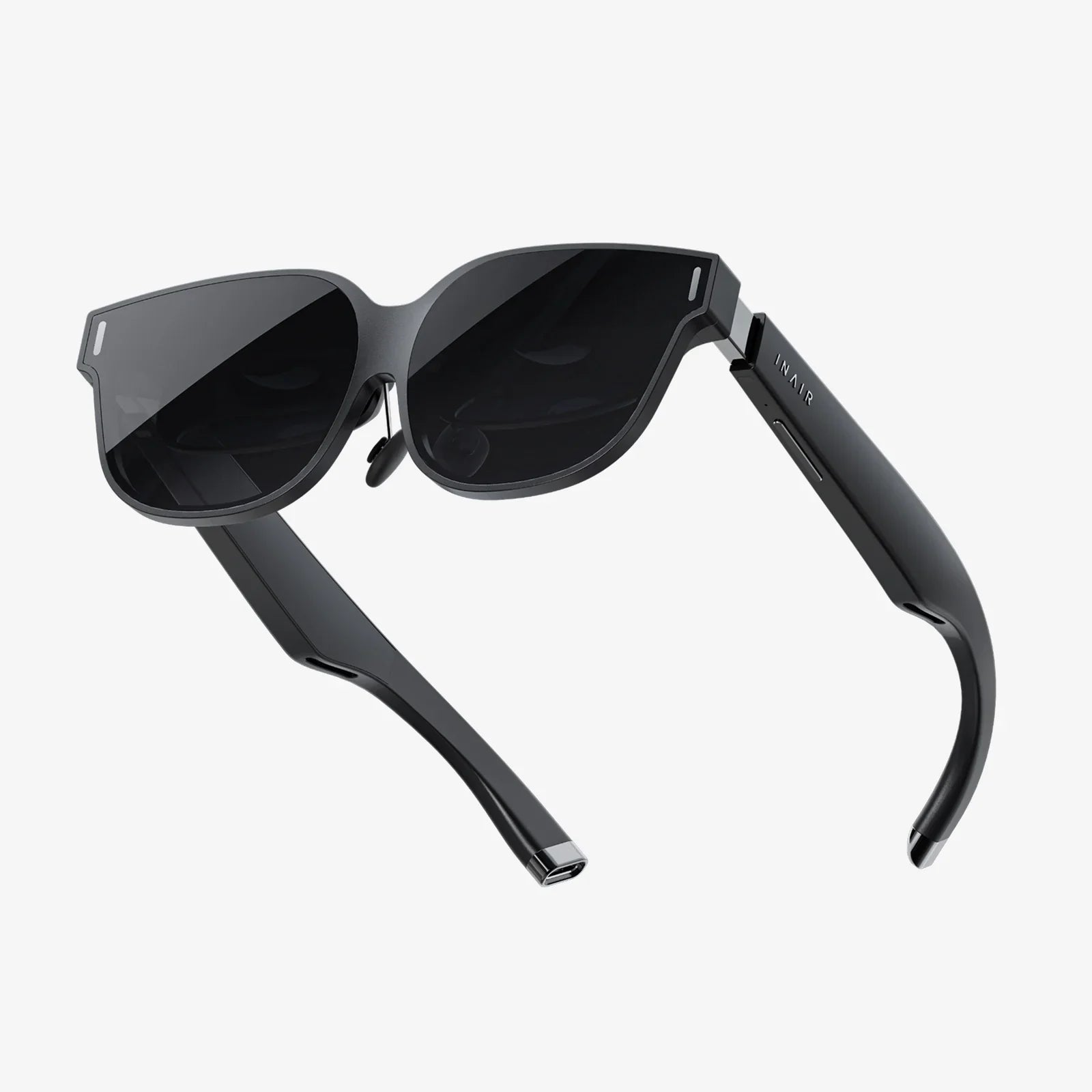
The concept of the "office" is being permanently decoupled from a single, fixed location. It is becoming a dynamic, fluid network of people, technology, and on-demand spaces. As augmented reality (AR) and virtual reality (VR) technologies mature, the virtual office experience will become even more immersive, potentially offering digital workspaces that replicate the social and collaborative benefits of a physical office without any of the geographical constraints.
The journey to define virtual office reveals it as far more than a business accessory; it is a strategic framework for building a resilient, agile, and modern enterprise. It democratizes entrepreneurship, empowers a global workforce, and challenges centuries-old notions of where and how value is created. For those willing to embrace its model, the virtual office is not just a way to work—it is the key to unlocking a new paradigm of professional freedom and limitless potential. The address of the future isn't on a street; it's in the cloud, and it's waiting for you to log in.