


Imagine a world where your clothing monitors your health, your glasses overlay digital information onto the real world, and your watch is the command center for your entire digital life. This isn't a glimpse into a distant sci-fi future; it is the rapidly unfolding present, powered by the silent revolution of wearable computing devices. These sophisticated pieces of technology are seamlessly integrating into the fabric of our daily existence, redefining our relationship with information, health, and each other. To truly understand the trajectory of modern technology, one must first define wearable computing devices, not just as gadgets we wear, but as the next fundamental step in the evolution of personal computing.
The Essence of Wearability: Beyond the Wrist and Ear
At its most fundamental level, to define wearable computing devices is to describe a class of electronic technologies that are incorporated into items of clothing and accessories which can be comfortably worn on the body. However, this simple description barely scratches the surface. The true definition encompasses a set of core characteristics that distinguish them from other portable electronics, like a smartphone carried in a pocket.
Constant Interaction and Contextual Awareness: Unlike a phone that requires deliberate engagement, a primary goal of wearable computing is to provide constant, seamless, and often passive interaction. They are designed for always-on operation, gathering data and providing notifications without the user needing to actively seek them out. This is enabled by a suite of sensors—accelerometers, gyroscopes, heart rate monitors, GPS, microphones, and environmental sensors—that grant the device a form of contextual awareness. It knows if you are running, sleeping, or sitting in a meeting, and it can tailor its functionality accordingly.
Seamless Integration and Hands-Free Operation: The ideal wearable is an extension of the self. It is designed for minimal cognitive and physical load, offering hands-free or near-hands-free operation. This is achieved through intuitive interfaces like voice commands (powered by virtual assistants), subtle haptic feedback (vibrations), and glanceable displays that deliver information in seconds. The technology fades into the background, becoming an unobtrusive partner rather than a distracting device.
Data-Driven Personalization: The ultimate value of a wearable device lies in its ability to collect, analyze, and act upon personal data. By continuously monitoring biometric, environmental, and activity data, these devices build a rich, personalized digital profile of the user. This data is then used to deliver personalized insights, from fitness recommendations and health alerts to contextual reminders and productivity suggestions. They transform raw data into actionable intelligence.
A Taxonomy of Wearables: From Head to Toe
The ecosystem of wearable computing is vast and diverse, encompassing a wide array of forms and functions. Categorizing them helps to fully define wearable computing devices and their potential applications.
Wrist-Worn Devices
This is the most recognizable and commercially successful category. It includes smartwatches and fitness trackers. They serve as secondary displays for smartphones, providing notifications, call alerts, and app controls. Their primary function, however, has evolved into health and fitness monitoring, tracking metrics like steps, heart rate, sleep patterns, and blood oxygen levels. They are the gateway drug into the world of wearable tech for many consumers.
Head-Mounted Displays
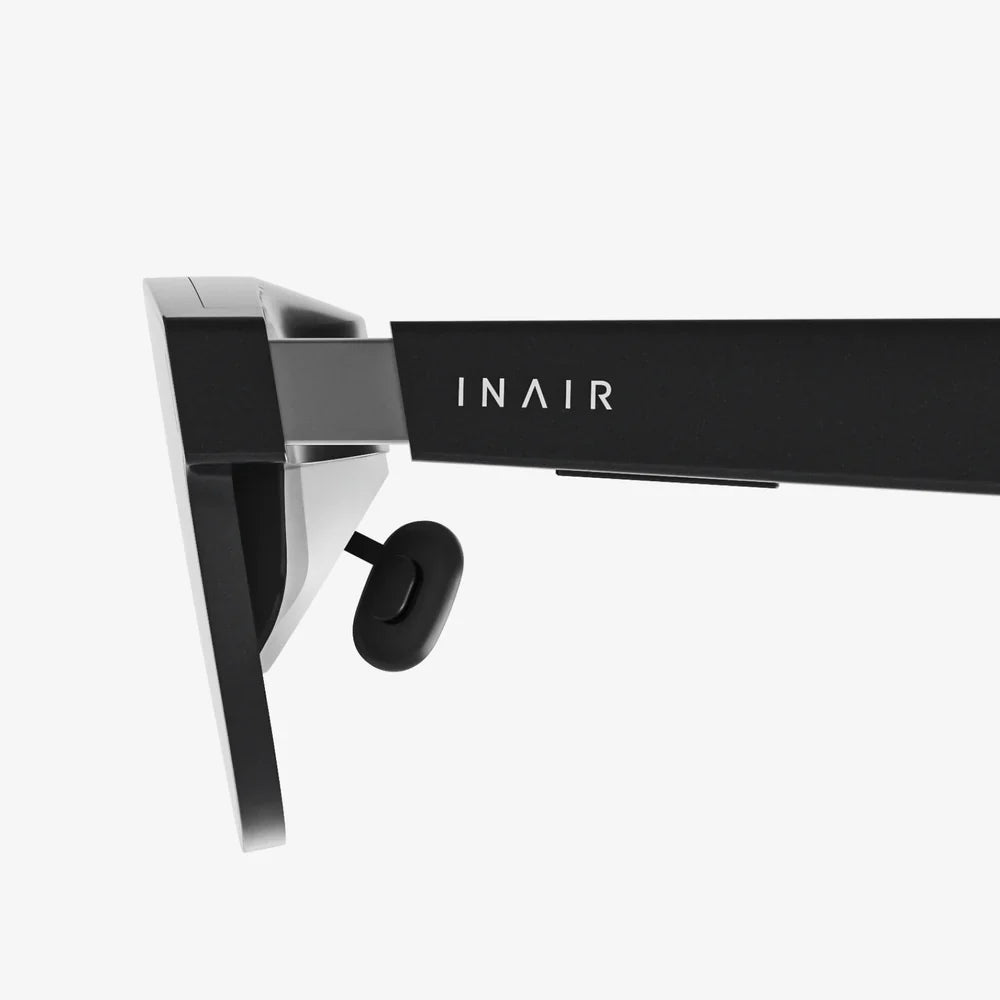
This category represents the cutting edge of wearable interfaces. It encompasses Virtual Reality (VR) headsets, which immerse the user in a completely digital environment, and Augmented Reality (AR) smart glasses, which overlay digital information and graphics onto the user's view of the real world. These devices have profound applications in gaming, industrial design, remote assistance, training simulations, and navigation, moving computing from a screen we look at to a world we look through.
Smart Apparel and Body Sensors
Here, the technology is woven directly into the fabric of our clothing. Smart shirts, socks, and shoes can monitor muscle activity, running form, and overall biomechanics with far greater accuracy than a wrist-worn device. This category also includes smaller, discreet medical-grade sensors for continuous glucose monitoring (CGM), electrocardiogram (ECG) patches, and other clinical devices that provide unprecedented, real-time health data to both patients and physicians, enabling proactive rather than reactive healthcare.
Hearables
Modern wireless earbuds and hearing aids have evolved into sophisticated computers for the ear. Beyond playing audio, they incorporate noise cancellation, real-time language translation, integrated virtual assistants, and biometric sensors for hearing health. They are becoming a primary, discreet interface for receiving audio notifications and interacting with our digital ecosystem.
Smart Implants
Pushing the boundary of the definition are devices that are worn inside the body. This includes sophisticated technology like the modern pacemaker, cochlear implants that restore a sense of hearing, and experimental digital pills that can monitor medication adherence from within the digestive system. These represent the ultimate in seamless integration, where the device becomes a functional part of the user's biology.
The Technological Engine Room: What Makes Them Tick
To truly define wearable computing devices, one must appreciate the complex symphony of miniaturized technologies that power them. These are marvels of modern engineering, packing immense capability into incredibly small and power-efficient form factors.
The Processor and Memory: At the heart of every wearable is a System-on-a-Chip (SoC), a highly integrated circuit that contains the central processing unit (CPU), graphics processing unit (GPU), memory, and other core components. These processors are designed for extreme low-power operation to maximize battery life without sacrificing essential performance for sensor data processing and connectivity.
Sensors: The Digital Senses: Sensors are the eyes, ears, and touch of a wearable device. An inertial measurement unit (IMU), combining an accelerometer and gyroscope, tracks movement and orientation. Optical heart rate sensors use photoplethysmography (PPG) to detect blood volume changes under the skin. GPS modules track location, and microphones listen for voice commands. Newer sensors are constantly emerging, capable of measuring everything from skin temperature and sweat composition to electrical activity in the heart (ECG) and brain (EEG).
Connectivity: The Invisible Tether: Wearables are not islands; they are nodes in a larger network. They primarily connect to a smartphone via low-energy wireless protocols like Bluetooth, using it as a gateway to the internet. Many also feature Wi-Fi, NFC for contactless payments, and some even have standalone cellular connectivity, allowing them to operate independently of a phone.
The Power Dilemma: Batteries and Beyond: The single greatest constraint on wearable design is battery life. Engineers are in a constant battle to balance performance, size, and longevity. This has led to innovations in low-power display technology (like OLED and MEMS), ultra-efficient processors, and sophisticated power management software. The future lies in new battery chemistries, solar charging, kinetic energy harvesting (power from movement), and even wireless charging from the body itself.
The Societal Impact: A Double-Edged Sword
The proliferation of wearable computing is not merely a technological shift; it is a societal one, with profound implications that are both empowering and concerning.
The Quantified Self and Proactive Health: Wearables have democratized health monitoring. Millions now have access to data about their own bodies that was once available only in a clinical setting. This has fostered the Quantified Self movement, where individuals use this data to make informed decisions about their lifestyle, diet, and exercise, leading to more proactive and personalized wellness. For those with chronic conditions, wearables can provide early warning signs, potentially saving lives and reducing healthcare costs through remote patient monitoring.
The Privacy Paradox: This constant data collection creates a significant privacy challenge. Wearables generate a continuous, intimate stream of biometric and location data—arguably the most personal data possible. Questions abound: Who owns this data? How is it being used by the companies that collect it? Could it be sold to third parties, such as insurers or employers, leading to discrimination? The potential for surveillance, both corporate and governmental, is a serious concern that society is only beginning to grapple with.
The Always-On Workplace and Digital Burnout: The seamless connectivity offered by wearables can blur the lines between work and personal life. Notifications can follow you everywhere, creating an expectation of constant availability and potentially leading to increased stress and digital burnout. The very feature designed to make life more efficient could also make it more demanding.
The Digital Divide on the Body: As these devices become more integral to health management and social interaction, a new form of inequality could emerge. Those who cannot afford advanced health-monitoring wearables may be left behind in terms of access to the latest preventative care insights, exacerbating existing health disparities.
The Future Horizon: Where Do We Go From Here?
The current state of wearable technology is merely a prelude. The next decade will see a move from discrete devices to truly ambient computing, where technology is seamlessly and invisibly embedded into our environment and ourselves.
Advanced Biomarkers and Predictive Health: Future wearables will move beyond tracking basic metrics to predicting health events. Algorithms will analyze complex combinations of data to warn users of impending issues like atrial fibrillation, hypoglycemic events, or even the early signs of infectious disease outbreaks long before symptoms appear. They will evolve from fitness tools to essential health guardians.
The Era of Sensorial Augmentation: We will see devices that don't just monitor but enhance human capabilities. Think of wearables that allow you to hear frequencies beyond normal human range, see in infrared or ultraviolet, or receive navigational cues through haptic feedback on the skin. This moves computing from being informational to being transformational.
Brain-Computer Interfaces (BCIs): The final frontier of wearables is direct communication between the brain and machines. Non-invasive headsets are already being developed to control devices with thought, help manage neurological conditions, and even restore movement and communication to paralyzed patients. This technology, though in its infancy, promises to fundamentally redefine the human-machine relationship.
True Ambient Integration: The concept of a device will fade. Computing power will be woven into the very fibers of our clothing, embedded in our furniture, and integrated into our surroundings. Our environment will become the interface, responding to our presence, our gestures, and our needs without the need for a dedicated screen or gadget on our body.
The journey to define wearable computing devices reveals a landscape far richer than a simple gadget on the wrist. It is a story of miniaturization, connectivity, and the relentless pursuit of a more intuitive human-computer symbiosis. From empowering individuals with unprecedented knowledge of their own bodies to raising critical questions about privacy and inequality, wearables are a powerful force shaping our collective future. They are not just about what we can wear; they are about what we can become, and the story of their evolution is, in essence, the story of our own.
Share:
Growth of Phones, Wearables, and Smartglasses: The Trifecta Reshaping Human Existence
What Does Artificial Intelligence Do: From Mundane Tasks to Creative Mastery