


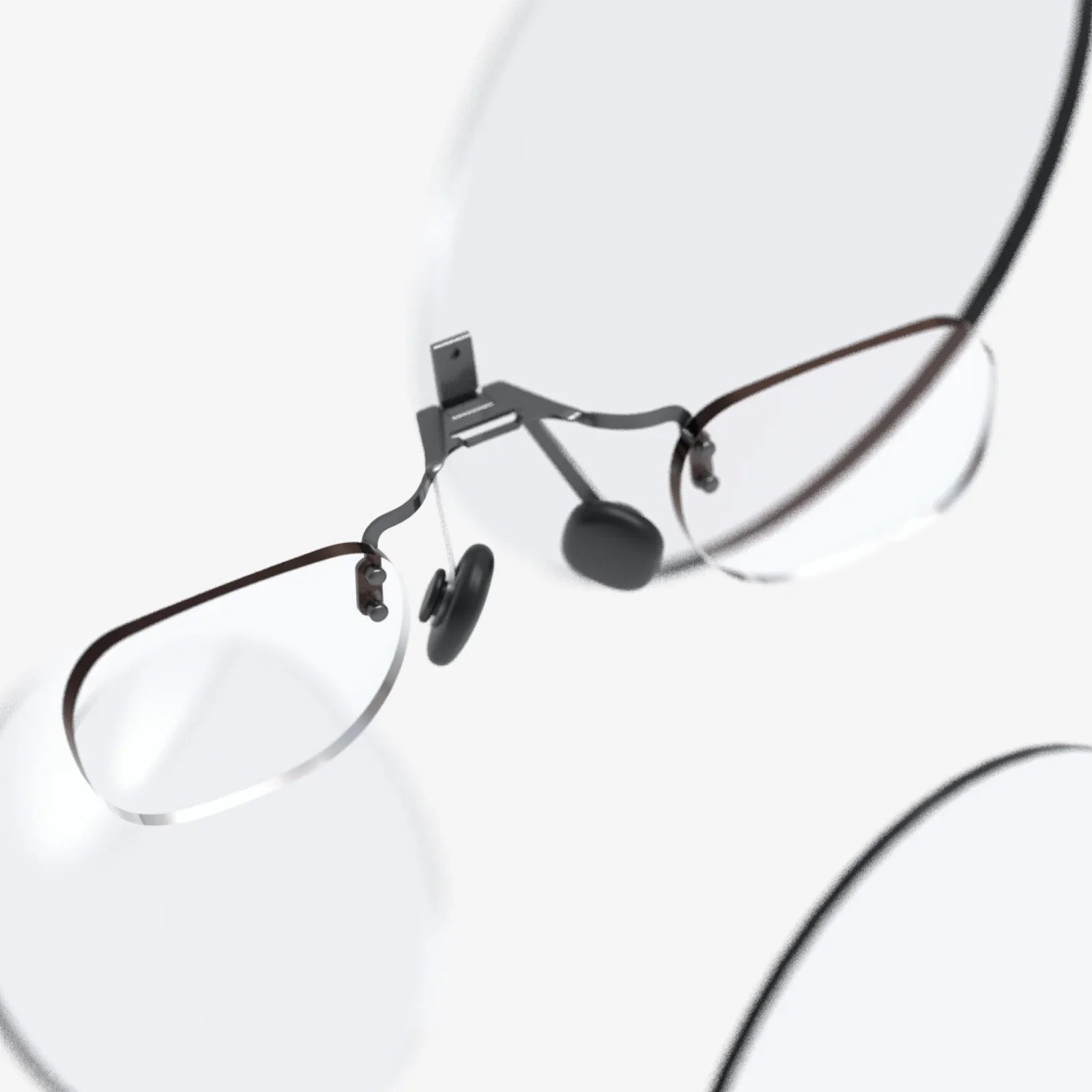
The digital pulse of our modern world is no longer measured by a single device but by a constellation of interconnected technology that we wear, carry, and look through. We are moving beyond the singular, all-powerful smartphone into an era where intelligence is distributed across our bodies and environments. This isn't just an incremental upgrade; it's a fundamental shift in the very paradigm of human-computer interaction, and it’s being driven by the powerful, synergistic growth of phones, wearables, and smartglasses. This convergence is weaving technology into the very fabric of our daily lives, creating a seamless, intuitive, and profoundly personal digital layer over our reality.
The Bedrock: The Smartphone's Evolution from Centerpiece to Hub
To understand the present ecosystem, one must first acknowledge the role of the smartphone. For over a decade, it has been the undisputed center of our digital universes—a pocket-sized portal to information, communication, and entertainment. Its growth, however, has begun to plateau in terms of revolutionary form factor changes, but its evolution is more profound. The modern smartphone has transitioned from being the sole destination for digital tasks to becoming the central nervous system or the computational hub for a wider network of peripheral devices.
This shift is powered by increasingly powerful processors, sophisticated operating systems, and ubiquitous high-speed connectivity. The phone handles the heavy computational lifting, manages complex algorithms, and stores vast amounts of data. It then serves this processed information to other devices—your wristwatch, your earbuds, and soon, your glasses—which act as more convenient, immediate, and context-aware interfaces. The phone is the brain, and the wearables are the senses and limbs, extending its capabilities onto and into our bodies.
The Wrist Revolution: How Wearables Became Indispensable
The most successful and widespread extension of the smartphone so far has been the wearable, particularly the smartwatch and fitness tracker. What began as a simple step counter has blossomed into a sophisticated health and connectivity platform. Their growth has been explosive, moving from a niche gadget for fitness enthusiasts to a mainstream accessory for millions.
The true genius of the wearable lies in its persistence and proximity. It is always on, always worn, and always collecting data. This has unlocked two transformative applications:
- Health and Wellness Monitoring: Modern wearables are akin to having a personal health clinic on your wrist. They continuously monitor heart rate, track sleep patterns, measure blood oxygen levels, and can even perform an electrocardiogram. This constant stream of biometric data provides unprecedented insights into our well-being, enabling proactive health management and early detection of potential issues. They have democratized access to health metrics that were once confined to clinical settings.
- Glanceable Information and Contextual Awareness: Wearables excel at delivering information without interruption. A subtle haptic tap on the wrist to notify you of an important message is far less intrusive than pulling out a phone. They filter the digital noise, providing just the essential nuggets of information—the next calendar appointment, the weather, a navigation cue—right when you need it, hands-free. This creates a more fluid and less disruptive interaction with technology.
This seamless integration of health and convenience has cemented the wearable’s role as a critical node in the personal technology ecosystem, creating a data-rich foundation for what was to come next.
The Next Frontier: The Dawn of Smartglasses and Augmented Reality
If wearables moved technology to our wrists, smartglasses aim to move it directly onto our faces and into our field of vision. This represents the most ambitious leap yet—the goal of overlaying digital information seamlessly onto the physical world, a concept known as augmented reality (AR). While earlier attempts were hampered by clunky designs, limited battery life, and underwhelming software, recent advancements are finally making the vision viable.
The potential applications for smartglasses are staggering:
- Enhanced Navigation: Imagine arrows and directions projected onto the street in front of you, guiding you to your destination without ever needing to look down at a map.
- Real-Time Information Overlays: Looking at a restaurant could display its reviews and menu. A colleague's name and role could appear next to them in a meeting. A foreign language sign could be instantly translated before your eyes.
- Remote Assistance and Collaboration: A technician wearing smartglasses could receive live visual guidance from an expert thousands of miles away, who can draw annotations directly into the technician's field of view.
- Immersive Learning and Design: Architects could walk clients through a 3D model of a building projected onto an empty lot. Medical students could practice procedures on virtual anatomy.
The growth in this sector is being fueled by improvements in micro-displays, waveguide technology, spatial audio, and computer vision algorithms. However, the greatest challenge remains social acceptance—creating devices that people actually want to wear all day that are both powerful and socially discreet.
The Symbiotic Ecosystem: How Phones, Wearables, and Glasses Work Together
The true power of these devices is not in their individual capabilities, but in how they interconnect to create a sum greater than its parts. This is not a story of replacement, but of synergy.
Consider a scenario: Your smartwatch detects an irregular heart rhythm. It immediately sends this raw data to your smartphone, where a powerful app analyzes the pattern against your historical health data. The phone connects to the cloud to compare it with vast medical datasets. Once a potential concern is identified, your smartphone sends an alert to your smartglasses, which discreetly display a notification suggesting you schedule a telehealth appointment, all without interrupting your conversation or requiring you to pull out a device.
In this ecosystem, the phone is the hub, the watch is the health sensor, and the glasses are the discreet communicator. Each device plays to its strengths:
| Device | Primary Role | Key Strengths |
|---|---|---|
| Smartphone | Computational Hub & Data Center | Raw processing power, large storage, primary communication, complex apps |
| Wearable (Watch) | Health Sensor & Notification Interface | Continuous biometric monitoring, always-on convenience, glanceable info |
| Smartglasses | Immersive Visual Interface | Contextual information overlay, hands-free interaction, spatial computing |
This seamless handoff between devices is the cornerstone of ambient computing—a future where technology recedes into the background, anticipating our needs and providing information contextually, rather than demanding our constant attention.
Navigating the Challenges: Privacy, Security, and the Human Factor
With great power comes great responsibility. The growth of this always-on, always-sensing ecosystem raises significant concerns that must be addressed head-on.
The amount of personal data collected by these devices is unprecedented. Your wearable knows your heart rate, sleep habits, and location. Your smartglasses, with their always-on cameras and microphones, have the potential to see and hear everything you do. This creates a treasure trove of data that is incredibly valuable and, consequently, incredibly vulnerable.
Questions of data ownership, consent, and security are paramount. Who owns your biometric data? How is it being used? Is it being sold to third parties? Could it be used for insurance premiums or by employers? Robust encryption, transparent data policies, and giving users full control over their information are not optional features; they are absolute necessities for this future to be ethical and sustainable.
Furthermore, the human factor cannot be ignored. Will constant access to digital overlays erode our ability to be present in the moment? Will it create new forms of digital distraction or social awkwardness? The design of these systems must prioritize human well-being, ensuring they augment our reality without overwhelming it.
The Future is Integrated: A World of Ambient Intelligence
The trajectory is clear. The next decade will not be defined by a single revolutionary device, but by the further deepening and refinement of the ecosystem linking phones, wearables, and smartglasses. We are moving towards a world of ambient intelligence where technology is woven so seamlessly into our environment that it becomes indistinguishable from it.
Future advancements will focus on making the devices themselves less noticeable—lighter glasses with all-day battery life, wearables with more advanced and medical-grade sensors, and phones that act as invisible hubs. Artificial intelligence will become the invisible thread that ties it all together, intelligently routing information and tasks to the most appropriate device based on context, proximity, and urgency.
This isn't just about technological convenience; it's about expanding human potential. It’s about giving a doctor superhuman diagnostic sight, helping a mechanic fix a complex engine with expert knowledge beamed into their field of view, or allowing a traveler to navigate a foreign city as if they were a local. It’s about making us healthier, more knowledgeable, and more connected to the world around us.
Imagine a world where your technology doesn't demand your attention but quietly empowers your actions. Your environment understands your context, your devices anticipate your needs, and your digital life blends so effortlessly with your physical one that the line between them dissolves. This is the profound promise held within the collaborative growth of phones, wearables, and smartglasses—a future not of screens, but of experiences, waiting just beyond the horizon of today.
Share:
What is AI Good For: Transforming Industries and Empowering Humanity
Define Wearable Computing Devices: The Next Evolution of Personal Technology