


- by wangfred
Different Mobile and Wearable Devices: Reshaping Our Digital Existence
- by wangfred
Imagine a world where your watch warns you of an irregular heartbeat before you feel a symptom, your glasses overlay navigation arrows onto the real city street, and your phone intelligently silences itself the moment you sit down to dinner. This isn't a glimpse into a distant sci-fi future; it is the tangible, evolving reality being built today by the vast and varied ecosystem of different mobile and wearable devices. This technological revolution is not about a single gadget but about a symphony of interconnected tools that are fundamentally rewiring the fabric of our daily lives, our health, our work, and our very perception of reality.
The term 'mobile device' has long transcended its origins as a simple synonym for a smartphone. Today, it represents a broad category of portable, connected computing power. At its core remains the smartphone, a device so ubiquitous it has become a digital extension of the self. These pocket-sized supercomputers are the central hubs of our digital lives, managing communication, entertainment, finance, and information access. Their evolution has been marked by increasingly powerful processors, sophisticated multi-lens camera systems capable of professional-grade photography, and vibrant, high-resolution displays that serve as our windows to the digital world.
Beyond the smartphone lies the versatile tablet. Occupying the middle ground between phone and laptop, tablets have carved out essential niches. For creatives, they are digital canvases and sketchpads, brought to life with precise stylus input. For students and professionals, they are powerful note-taking and content consumption devices. Their larger screens make them ideal for media consumption, reading, and more complex multitasking, all while retaining a highly portable form factor.
Further expanding the definition are dedicated mobile gaming handhelds. These devices prioritize performance, thermal management, and tactile controls, offering a console-quality gaming experience untethered from a living room television. They cater to a passionate audience that demands precision and immersion on the go, demonstrating how mobile technology continues to specialize to meet specific user demands.
If mobile devices are the tools we carry, wearables are the technology we become. This category represents the most personal and integrated form of computing, designed to be worn on the body as accessories or even articles of clothing. Their power lies in their constant proximity, enabling a continuous, ambient stream of data and interaction.
Smartwatches are arguably the most recognizable wearables. They have evolved from simple notification relays to robust health and fitness companions. Modern smartwatches are equipped with an array of sensors: optical heart rate monitors, electrical heart sensors for taking ECG readings, blood oxygen saturation (SpO2) sensors, accelerometers to detect movement and falls, and even sophisticated sleep tracking algorithms. They provide at-a-glance information, contactless payment capabilities, and music control, all from the wrist.
Fitness trackers, often worn on the wrist or clipped to clothing, focus more specifically on health metrics. While they may lack the full smartwatch operating system, they excel in providing long battery life and detailed insights into steps taken, calories burned, floors climbed, and sleep patterns. They have democratized health data, empowering millions to take a more proactive role in their physical well-being.
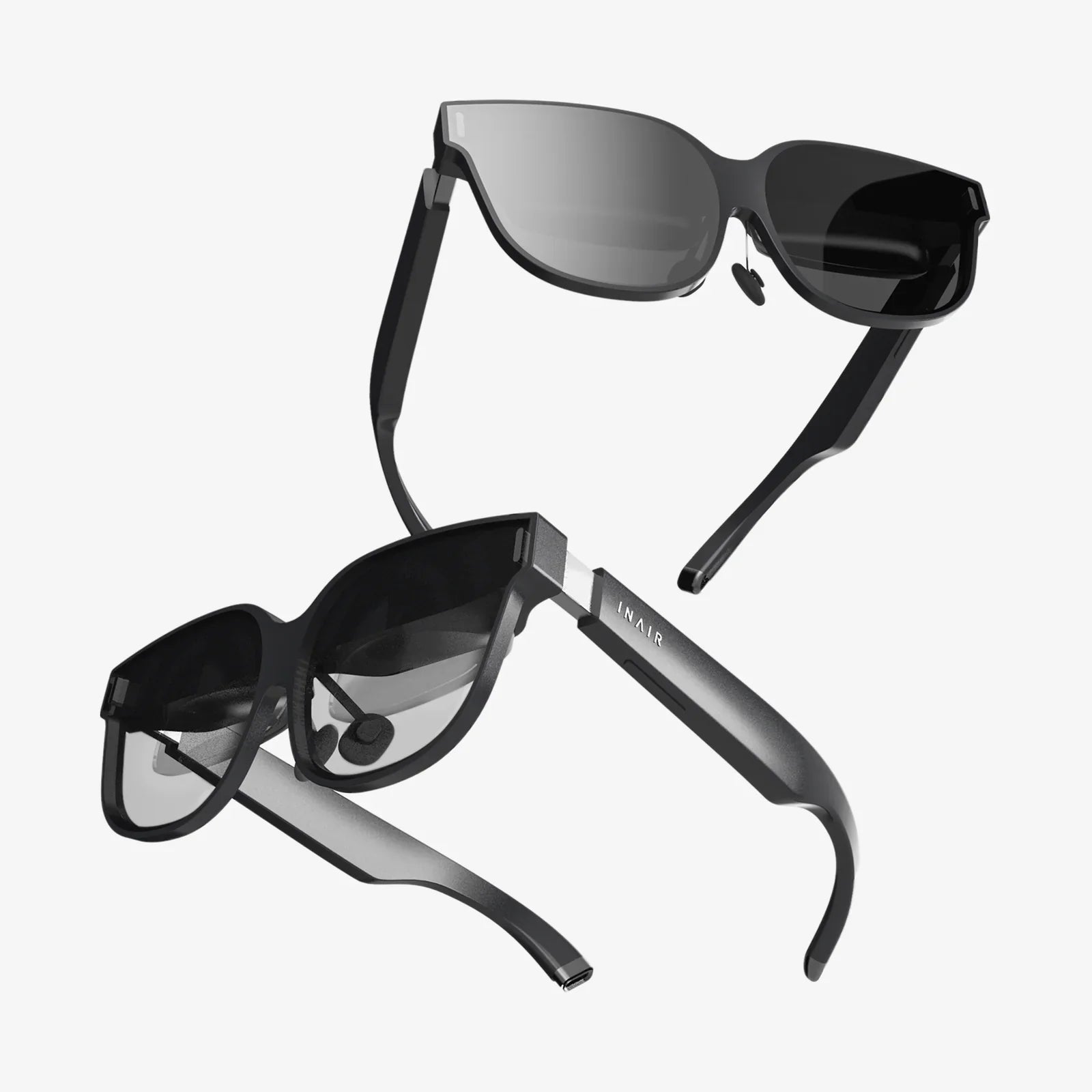
The frontier of wearables is being pushed even further by smart glasses and hearables. Smart glasses aim to overlay digital information onto the real world—a concept known as augmented reality (AR). This technology promises to revolutionize fields from navigation and engineering to remote assistance and gaming, by providing contextual information directly within the user's field of vision. Hearables, primarily wireless earbuds, have also become sophisticated computers for the ears. They offer high-quality audio, active noise cancellation for immersive listening, and increasingly, integrated health features like hearing aid functionality and real-time translation.
Looking further ahead, the emerging field of smart clothing embeds sensors directly into fabrics. This can include shirts that monitor respiratory effort, socks that analyze running gait, and even postural-correcting apparel. This represents the ultimate goal of wearable technology: to become so seamlessly integrated into our lives that it becomes invisible, gathering invaluable data and providing feedback without any conscious effort from the user.
The true magic of this ecosystem is not realized in isolation but through the powerful interconnectivity between different mobile and wearable devices. This creates a seamless and intuitive user experience that is far greater than the sum of its parts.
A smartphone acts as the central command hub, but it delegates tasks to more specialized devices. Your smartwatch can unlock your phone as you approach it. Your fitness tracker can sync its health data to a comprehensive app on your tablet for deeper analysis. Your wireless earbuds can seamlessly switch audio playback from your phone to your laptop when a video call comes in. This ecosystem is bound together by a web of wireless protocols like Bluetooth Low Energy (BLE), Wi-Fi, NFC, and ultra-wideband (UWB), each serving a specific purpose in maintaining a constant, low-power dialogue between devices.
This interconnectedness fosters incredible convenience. The concept of 'handoff' allows you to start a task on one device and finish it on another. You can begin reading an article on your phone during your commute and instantly pull it up on your tablet when you get home. You can answer a call on your watch and transfer it to your phone for a longer conversation. This fluidity breaks down the barriers between devices, creating a continuous computing experience that follows the user throughout their day.
The impact of these technologies extends far beyond consumer convenience; they are driving profound changes across entire sectors.
In healthcare, wearables are enabling a shift from reactive to proactive and preventive care. Continuous monitoring of vital signs can provide early warning signs of conditions like atrial fibrillation, potentially preventing strokes. Remote patient monitoring allows doctors to track the health of chronically ill patients from their homes, improving outcomes and reducing hospital readmissions. This data-driven approach is paving the way for personalized medicine, where treatments and recommendations are tailored to an individual's unique physiological data.
In the realm of fitness and wellness, these devices have created a culture of quantified self. Users can track their progress, set goals, and gain insights into their activity levels and sleep quality with unprecedented detail. This has fostered a greater societal awareness of health and has made fitness more accessible and data-informed.
The workplace has been similarly revolutionized. Mobile devices enable true flexibility and remote work, allowing professionals to be productive from anywhere. Tablets are used for digital inspections and signatures in fields like construction and logistics. AR glasses can provide warehouse workers with hands-free picking instructions or allow field engineers to receive real-time visual guidance from experts thousands of miles away. This augmentation of human capability is boosting efficiency and reducing errors.
For accessibility, this technology is nothing short of transformative. Wearables can alert individuals with hearing impairments to important sounds like fire alarms or doorbells. Smartphones and tablets offer screen readers, voice control, and other assistive technologies that empower people with disabilities to interact with the digital world in ways that were previously impossible.
This brave new world is not without its significant challenges. The foremost concern is data privacy and security. These devices collect a staggering amount of intimate personal data—our location, health metrics, daily routines, and even biometric patterns. This creates a lucrative target for hackers and raises serious questions about who owns this data and how it is used. Robust encryption, transparent data policies, and giving users full control over their information are paramount to maintaining trust.
Battery life remains a persistent technical hurdle. As devices become more powerful and sensors more numerous, the demand for energy grows. While efficiency has improved, the need for frequent charging can interrupt the continuous monitoring that makes wearables so valuable. Breakthroughs in battery technology or low-power computing are essential for the next leap forward.
Furthermore, the risk of digital addiction and information overload is real. The constant stream of notifications from multiple devices can fracture attention and increase stress. Designing for digital wellbeing, with features that encourage users to disconnect and be present, is a critical responsibility for the industry.
Looking to the horizon, the future points toward even greater integration and intelligence. We are moving toward a contextually aware ecosystem where your devices will not just be connected to each other, but also to your environment—your home, your car, and your city. They will anticipate your needs automatically, adjusting the temperature, lighting, and music based on your preferences and schedule. The line between the physical and digital worlds will continue to blur through advancements in AR, potentially leading to a future where lightweight, stylish glasses can replace the screens we carry today.
The journey of different mobile and wearable devices is a story of technology becoming more personal, more powerful, and more pervasive. It is a story that is still being written, not in isolated specs sheets, but in the seamless, interconnected, and profoundly human experiences they enable every single day. The next chapter promises a world where technology doesn't demand our attention but quietly enhances our lives, empowering us to live healthier, work smarter, and connect more deeply with the world around us.
Share:
AR Holographic Technology: Bridging Realities and Redefining Human Experience
AR Retail Tools: The Ultimate Guide to Revolutionizing the Shopping Experience