


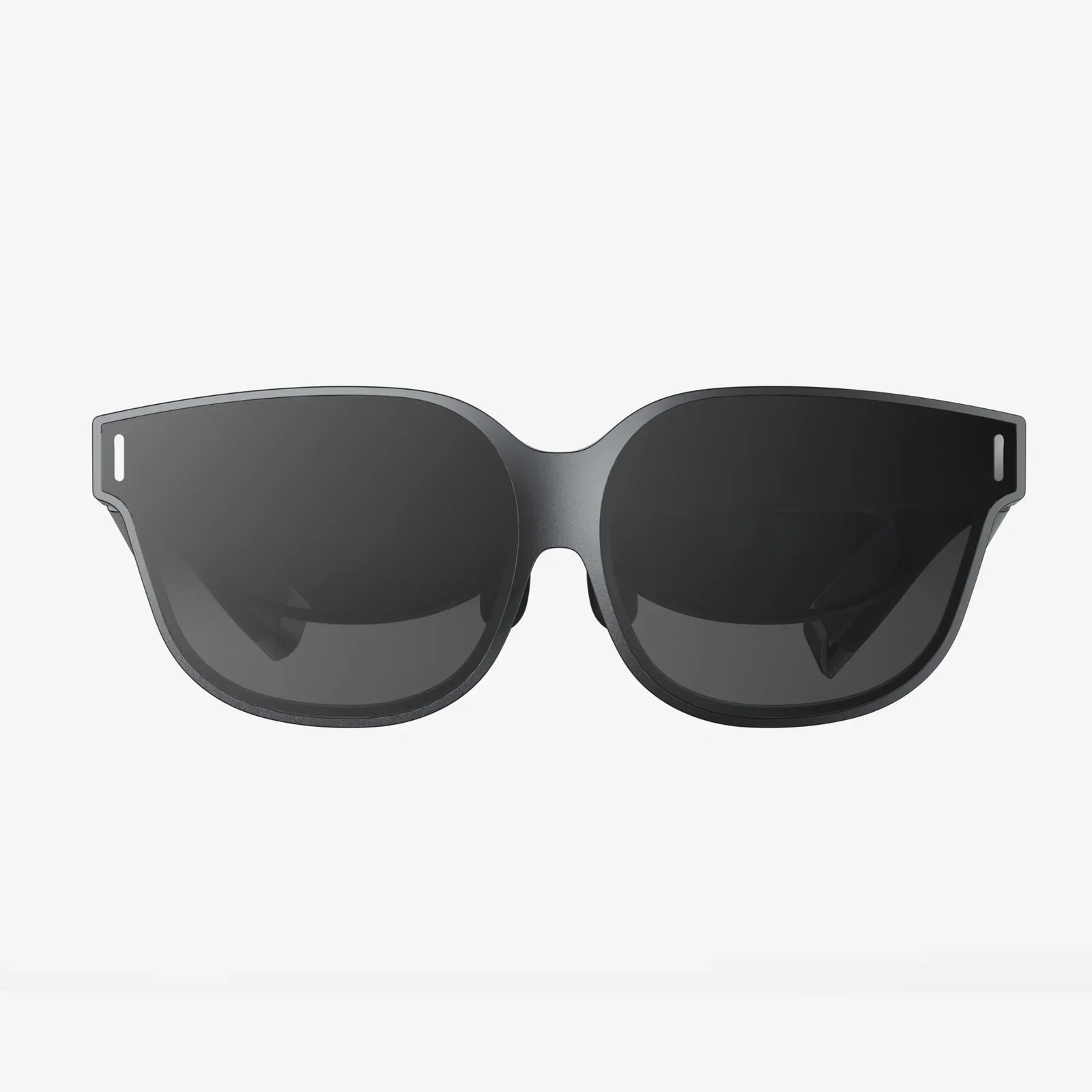
Imagine a world where your clothing monitors your posture, your ring tracks your stress levels, and your glasses translate foreign signs in real-time. This isn't a distant science fiction fantasy; it is the rapidly evolving present, all thanks to the explosive proliferation of different wearables. This technology has burst from the confines of the fitness tracker to infiltrate every aspect of our lives, promising a future of hyper-connectivity, unprecedented self-knowledge, and seamless integration between our digital and physical selves. The journey from a simple step counter to a sophisticated ecosystem of on-body intelligence is one of the most fascinating technological narratives of our time, and it's a story that is still being written on our very skin.
The Expansive Universe Beyond the Wrist
For many, the term ‘wearable’ is synonymous with the smartwatch or fitness band strapped to the wrist. While these devices are undoubtedly the most recognizable faces of the category, they represent just one star in a vast and growing galaxy. The definition of a wearable has expanded to encompass any electronic device equipped with micro-processors and sensors that can be worn on, attached to, or even embedded in the body. This broad classification opens the door to a stunning array of form factors, each designed for a specific purpose, context, or user preference.
The wrist, due to its accessibility and historical association with timekeeping, remains a prime location. However, even here, differentiation is key. Devices range from sleek, minimalist bands focused purely on health metrics to powerful, screen-dominated smartwatches that serve as secondary smartphones. Some are designed for the rugged extremes of outdoor adventure, boasting reinforced casings and specialized tracking for altitude and barometric pressure, while others are crafted from precious metals and materials to function as luxury fashion statements that happen to tell the time and count steps.
A Silent Guardian: Health and Medical Monitoring
Perhaps the most profound impact of different wearables is being felt in the realm of health and medicine. This category has moved far beyond basic activity tracking into the domain of continuous, clinical-grade monitoring. The potential to revolutionize preventative healthcare and manage chronic conditions is immense.
- Continuous Glucose Monitors (CGMs): For individuals with diabetes, these small, discreet sensors worn on the arm or abdomen have been life-changing. They provide real-time readings of blood glucose levels, sending data directly to a smartphone and alerting the user to dangerous highs or lows, all without the need for constant finger-prick blood tests.
- Electrocardiogram (ECG/EKG) Monitors: Integrated into many smartwatches, this technology allows users to take a medical-grade ECG anytime, anywhere. It can detect signs of atrial fibrillation (AFib), a common heart arrhythmia that significantly increases the risk of stroke, enabling earlier diagnosis and intervention.
- Sleep Sensors: While many wrist-worn devices track sleep, a new generation of non-contact under-mattress pads and wearable headbands provides even more detailed analysis. They monitor sleep stages (light, deep, REM), heart rate variability, respiration, and even ambient conditions like room temperature and noise levels, painting a comprehensive picture of sleep quality.
- Blood Pressure Monitors: Wearable cuffless technology is emerging to allow for convenient, on-demand blood pressure readings, a critical metric for cardiovascular health that was previously difficult to track outside of a clinical setting.
This shift towards decentralized, patient-owned health data empowers individuals to take a more active role in their well-being. It provides doctors with a rich, longitudinal dataset of real-world health metrics, moving beyond the ‘snapshot’ provided by occasional check-ups and enabling more personalized and proactive care.
Fitness Performance and Personalized Coaching
The fitness industry was the launchpad for the wearable revolution, and it continues to be a hotbed of innovation. Today’s devices are less about simple step counts and more about providing deep, actionable insights into athletic performance and recovery.
Advanced running watches utilize multi-band GNSS (Global Navigation Satellite System) for pinpoint accuracy in tracking pace and route, even in dense urban environments or under heavy tree cover. They analyze running dynamics like ground contact time, stride length, and vertical oscillation, offering cues to improve form and efficiency. For cyclists, wearable sensors attached to shoes and the bike itself measure power output in watts, the gold standard for cycling performance, while swimmers can use waterproof devices to track stroke count, SWOLF (swim efficiency score), and distance per stroke.
Perhaps the most significant trend is the move towards holistic recovery management. By combining data on sleep quality, heart rate variability, resting heart rate, and even body temperature, different wearables can provide a ‘readiness’ or ‘recovery’ score. This tells an athlete whether their body is primed for a hard training session or in need of a rest day, helping to prevent overtraining and reduce the risk of injury. This biofeedback loop creates a form of personalized, AI-driven coaching that was once only available to elite professionals.
Invisible Integration: Smart Clothing and Hearables
The ultimate goal of wearable technology is often stated to be ‘invisibility’—technology that seamlessly integrates into our lives without being obtrusive. This is being realized through smart clothing and hearables.
Smart clothing, or e-textiles, involves weaving conductive threads and miniature sensors directly into the fabric of garments. This allows for a much larger sensor surface area than a wrist-worn device, leading to more accurate physiological data. A smart shirt can precisely track respiratory rate, heart rhythm, and muscle activity across the entire torso. Smart socks can analyze a runner’s gait and foot strike pattern. Yoga pants can guide your form through haptic feedback. This technology moves monitoring off the wrist and into the background, making data collection a natural part of getting dressed.
‘Hearables,’ a portmanteau of hearing and wearables, primarily refer to advanced wireless earbuds and hearing aids. They have evolved into sophisticated audio computers. Beyond playing music, they now offer active noise cancellation for focus, transparent modes for ambient awareness, real-time language translation, and immersive spatial audio. They are also becoming health devices in their own right, with sensors to monitor core body temperature during a workout and accelerometers to detect falls, automatically alerting emergency contacts if the user is unresponsive.
The Industrial and Enterprise Frontier
The application of different wearables extends far beyond the consumer market, creating safer and more efficient workplaces. In logistics warehouses, smart glasses can display picking instructions to workers, guiding them to items and allowing them to keep their hands free, drastically improving order fulfillment speed and accuracy. In complex fields like surgery or equipment repair, these same glasses can stream live video to a remote expert who can annotate the surgeon’s or technician’s field of view with guidance.
For workers in dangerous environments—construction sites, oil rigs, chemical plants—wearables are vital safety tools. Smart helmets can monitor for exposure to toxic gases or dangerous noise levels. Wearable sensors can detect a worker’s fatigue levels through biometrics and alert them to take a break. Devices can also detect a fall from height or a worker becoming motionless, triggering an immediate emergency response. This connected worker ecosystem is not just about productivity; it is fundamentally about saving lives and preventing injuries.
Navigating the Challenges: Privacy, Security, and Data Overload
As with any transformative technology, the rise of different wearables brings significant challenges that society must confront. The most pressing of these is the issue of data privacy and security. These devices collect a deeply intimate portrait of our lives: our location patterns, daily routines, social interactions, physiological responses, and even our sleep. This treasure trove of biometric data is highly valuable and, consequently, a prime target for malicious actors.
Questions abound: Who owns this data? The user, the device manufacturer, or the app developer? How is it being used, aggregated, and potentially sold? Could health data one day be used by insurers to adjust premiums or by employers in hiring decisions? The regulatory landscape, like the technology itself, is struggling to keep pace. Robust encryption, clear and transparent user consent protocols, and strong legal frameworks are essential to ensure that the pursuit of knowledge does not come at the cost of personal autonomy and privacy.
Furthermore, there is the psychological challenge of data overload and ‘quantified self’ anxiety. The constant stream of metrics can lead to an obsessive relationship with one’s data, where a poor sleep score or a missed activity goal creates unnecessary stress and guilt. The goal of these devices should be to empower and inform, not to dictate and demoralize. The technology must evolve to provide not just data, but meaningful, contextualized insights and actionable coaching that improves well-being without becoming a source of it.
The Future Woven Into Our Fabric
The trajectory of wearable technology points towards even greater integration and intelligence. We are moving towards a paradigm of ‘ambient computing,’ where technology recedes into the background of our awareness, proactively assisting us based on context and need. Future advancements may include:
- Brain-Computer Interfaces (BCIs): Non-invasive wearables that can interpret neural signals, potentially allowing users to control devices with their thoughts, communicate silently, or monitor for neurological conditions like impending epileptic seizures.
- Advanced Biometric Sensing: Patches and tattoos with biosensors that can continuously monitor for biomarkers indicating everything from dehydration and nutrient levels to early signs of infection or chronic disease flare-ups.
- True Contextual Awareness: Devices that synthesize data from all your wearables and your environment to understand your situation. Your glasses, earphones, and watch could work in concert to help you navigate a new city, reminding you to pick up milk when you pass a grocery store, and silencing notifications because it detects you are in an important meeting.
The line between device and clothing, and ultimately between technology and the human body, will continue to blur. The next generation of wearables may be less about what we put on and more about what is woven in.
The age of different wearables is not coming; it is already here, strapped to our wrists, nestled in our ears, and woven into our clothes. It offers a tantalizing glimpse into a future of optimized health, enhanced safety, and seamless interaction with our digital world. Yet, as we embrace these tiny marvels of technology, we must do so with our eyes wide open to the profound questions they raise. The data they collect is the most personal imaginable, and safeguarding it is paramount. The true success of this revolution will be measured not just in steps counted or heartbeats monitored, but in our ability to harness this power wisely, ensuring that these different wearables ultimately serve to enhance, and not complicate, the deeply human experience of being.
Share:
When Did Smart Devices Come Out? The Surprising Timeline of a Connected World
You Can See Your Project on AR: The Ultimate Guide to Architectural Visualization