


Imagine walking through your future home, office, or public space before the foundation has even been poured. You can reach out and touch the virtual texture of a wall, see how the afternoon light will filter through a window, and truly feel the scale of the atrium. This is no longer a scene from science fiction; it is the powerful, accessible reality that Augmented Reality (AR) brings to the table. The ability to see your project on AR is fundamentally altering the landscape of architecture, engineering, construction, and real estate, transforming abstract blueprints and 3D models into tangible, interactive experiences that bridge the gap between imagination and reality.
The Digital Blueprint Meets the Physical World
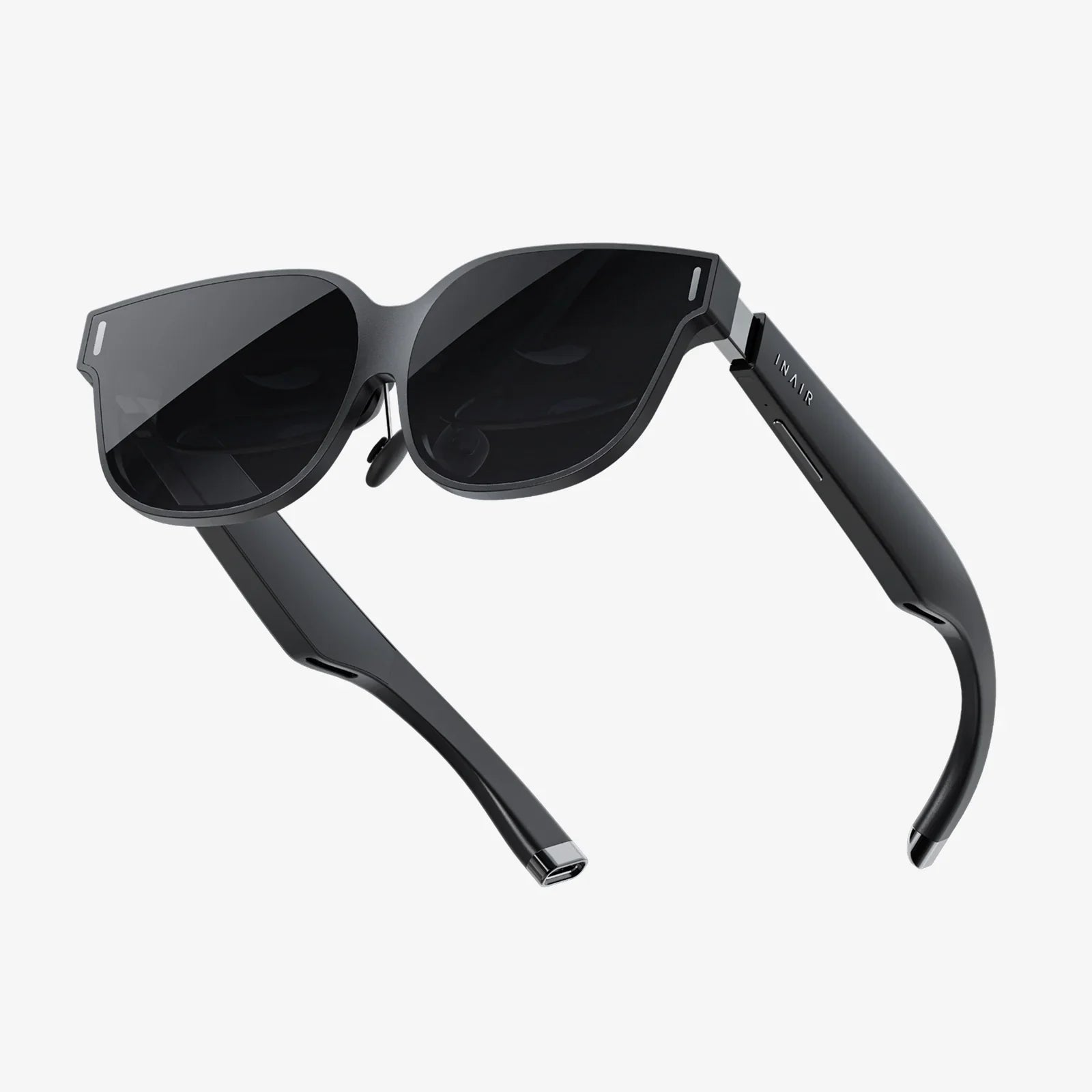
At its core, Augmented Reality is a technology that superimposes a computer-generated image onto a user's view of the real world, creating a composite view. Unlike Virtual Reality (VR), which creates a completely immersive, digital environment, AR enhances the real world by adding digital elements to it. For project visualization, this means you can point a smartphone, tablet, or wear AR glasses at an empty plot of land, an existing building slated for renovation, or even a scaled physical model, and watch as your fully realized project materializes within that space.
The process begins with a detailed 3D model of the project, created in standard Building Information Modeling (BIM) or Computer-Aided Design (CAD) software. This model is then converted into a format compatible with AR applications. Using advanced algorithms and sensors like GPS, accelerometers, and depth-sensing cameras, the application accurately anchors the digital model to the precise physical location and scale, allowing you to walk around it, look inside it, and view it from every conceivable angle.
Revolutionizing the Client Presentation
Gone are the days of relying solely on 2D blueprints, static renderings, and physical scale models to convey a design vision. These traditional methods, while valuable, require a significant leap of faith and imagination from the client. AR eliminates this guesswork. When a client can see your project on AR superimposed onto the actual site, the project ceases to be an abstract concept and becomes an experiential reality.
The impact is profound. Clients can:
- Experience True Scale and Proportion: A rendering can make a room look spacious, but AR allows a client to stand in the empty space and see exactly how a 10-foot ceiling feels, or how a proposed structure fits next to its neighbors.
- Make Informed Decisions in Real-Time: Want to see the building with brick instead of stucco? Or with a different roof pitch? Changes can be made to the digital model and viewed instantly in AR, empowering clients to make confident design choices without costly post-approval changes.
- Emotionally Connect with the Design: Walking through a virtual representation of their future space creates a powerful emotional connection that a drawing cannot. This builds excitement and buy-in, smoothing the approval process.
A Powerful Tool for Design and Collaboration
The benefits of AR visualization extend far beyond client relations. For the design and construction teams themselves, it is an invaluable tool for collaboration, problem-solving, and quality control.
Design teams can use AR to conduct immersive design reviews. Instead of huddling around a computer screen, architects, engineers, and interior designers can all gather on-site or around a model and interact with the full-scale project. They can identify potential design clashes—like a ductwork run interfering with a structural beam—long before construction begins. This proactive approach, often called virtual clash detection, can save enormous amounts of time and money by preventing rework.
On the construction site, foremen and workers can use AR glasses or tablets to see structural, mechanical, and electrical plans overlaid directly onto the unfinished building. This provides unparalleled clarity, reducing interpretation errors and ensuring that the built project perfectly matches the designed intent. A worker can look at a bare concrete slab and see exactly where to lay conduit or where to place anchor bolts, guided by digital markers.
The Tangible Benefits: From Cost Savings to Marketing
The adoption of AR visualization is not just a technological upgrade; it's a strategic business decision with measurable returns on investment.
- Significant Cost Reduction: By identifying errors early, streamlining approvals, and providing precise on-site guidance, AR drastically reduces costly change orders, construction errors, and project delays. The old adage "measure twice, cut once" is evolving into "visualize in AR, build perfectly once."
- Enhanced Marketing and Sales: For real estate developers, AR is a revolutionary sales tool. Potential buyers can tour unbuilt apartments or houses, customizing finishes and layouts on the fly. This creates a compelling, personalized experience that accelerates sales cycles, particularly for off-plan properties.
- Improved Safety and Planning: Project managers can use AR to simulate construction sequencing, planning the placement of heavy machinery and materials to optimize safety and logistics. They can also visualize and plan for safety barriers and signage before the site becomes active and crowded.
- Democratizing Design: AR makes complex architectural designs accessible to everyone, not just those who can read plans. This fosters better community engagement for public projects, allowing citizens to see and understand proposed changes to their neighborhoods, parks, and civic buildings.
Overcoming Barriers to Adoption
While the potential is staggering, the widespread adoption of AR in project visualization does face some hurdles. The technology, while increasingly affordable, still requires an investment in software, hardware, and training. There can be a learning curve associated with creating AR-ready models and ensuring they are accurately geolocated. Furthermore, the processing power required for complex, high-fidelity models to run smoothly on mobile devices is still a consideration.
However, these barriers are crumbling rapidly. The processing capabilities of smartphones and tablets continue to grow exponentially, while the cost of dedicated AR hardware is decreasing. Cloud-based AR solutions are also emerging, offloading the heavy processing to remote servers and streaming the experience to devices, making high-end visualization accessible on more modest hardware. The software ecosystem is also maturing, with many BIM and CAD platforms now offering built-in or plug-and-play AR export functionalities, simplifying the workflow from design to augmented reality.
The Future is Already Here: What's Next for AR Visualization?
The technology is advancing at a breathtaking pace. The future of seeing your project on AR will involve even more immersive and interactive experiences. We are moving towards multi-user AR environments, where teams distributed across the globe can meet inside a virtual model of the project, seeing each other's avatars and annotations in real-time as they collaborate.
Integration with the Internet of Things (IoT) will allow designers to visualize not just the structure, but also the data within it—seeing simulated foot traffic flow, energy consumption heat maps, or sunlight exposure overlaid on the model. Haptic feedback technology may one day allow users to "feel" the virtual materials they are inspecting.
As artificial intelligence becomes more sophisticated, AR systems will become predictive, not just descriptive. They could analyze a design in real-time and offer suggestions for optimization, flag potential structural issues, or automatically generate alternative design options based on the physical constraints of the site.
The line between the digital twin—a dynamic digital replica of a physical asset—and the physical world will continue to blur. AR will be the primary lens through which we interact with these digital twins, allowing for continuous monitoring, maintenance, and management of a building throughout its entire lifecycle, long after the construction crew has left.
The power to place a digital creation into the physical world and interact with it is one of the most significant technological developments of our time. It democratizes understanding, enhances collaboration, and minimizes risk. For anyone involved in bringing a project from concept to concrete, embracing this technology is no longer a question of if, but when. The tools are here, the benefits are clear, and the future of design is waiting to be seen, quite literally, through a new lens.
Share:
Different Wearables Are Reshaping Our Daily Lives and Health
AI Tools for Small Business: The Ultimate Guide to Boosting Efficiency and Growth