


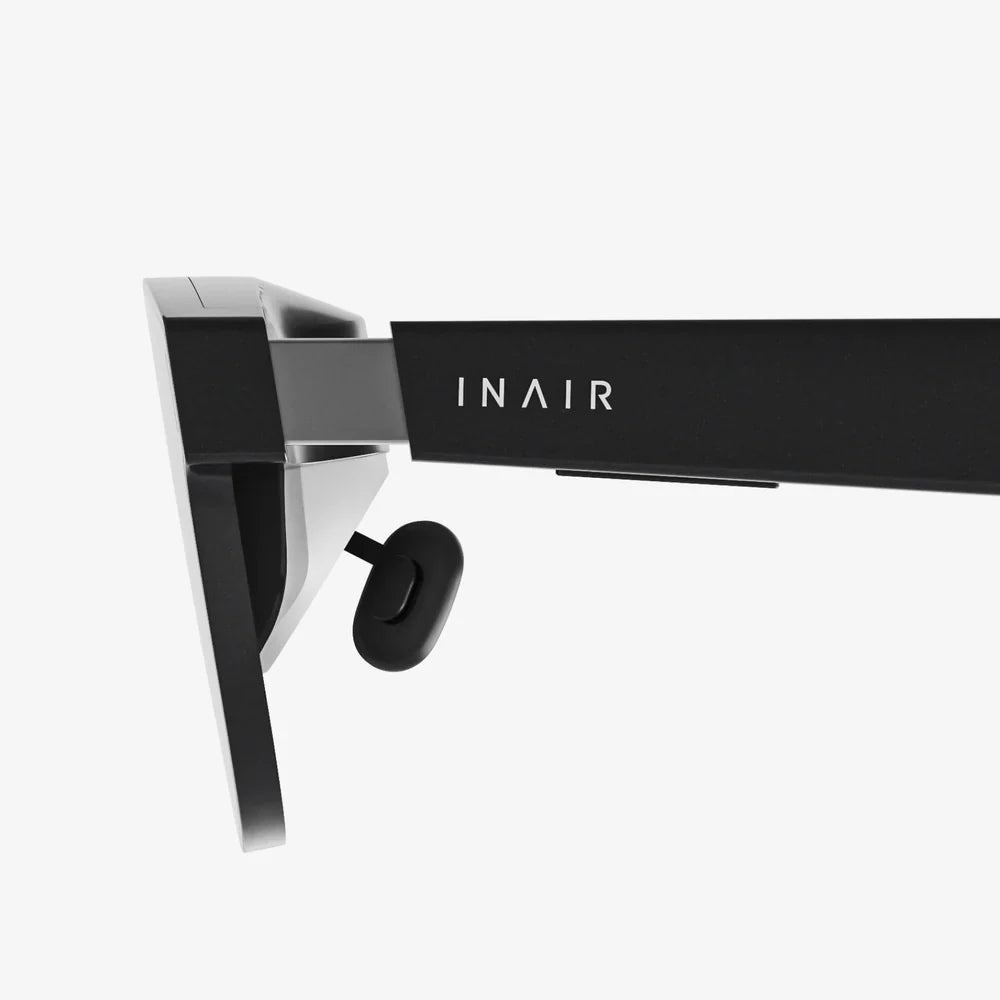
Imagine a world where your natural vision is not a limitation but a starting point, a platform upon which layers of digital intelligence can be seamlessly overlaid to inform, enhance, and transform your experience of reality. This is no longer the stuff of science fiction; it is the tangible promise held within the sleek, sophisticated frames of digital binocular glasses. This emerging technology category is poised to revolutionize not just hobbies and professions, but the very way we connect with the world around us, merging the immersive, wide-field view of traditional optics with the dynamic, information-rich potential of the digital realm.
The Anatomy of a Visionary Device: Beyond Simple Magnification
At first glance, a pair of digital binocular glasses might resemble a robust, modern set of high-end binoculars. But a closer look reveals their true nature as sophisticated computational devices. The core of their functionality lies in a harmonious fusion of advanced optical systems and digital imaging technology.
The optical path begins with high-quality, multi-element objective lenses. These are responsible for gathering light and forming a primary image, much like any premium optical instrument. However, instead of this image traveling directly to the user's eyes through a series of prisms and ocular lenses, it is captured by a high-resolution digital image sensor. This sensor acts as the device's retina, converting the optical image into a digital signal.
This digital signal is then processed by an onboard computer—a powerful microprocessor specifically designed for handling complex image data in real-time. This is where the magic happens. The processor can apply a vast array of algorithms to the visual stream: enhancing low-light visibility through noise reduction, stabilizing a shaky image, or even identifying and tagging objects within the field of view using machine learning. The processed image is then displayed on miniature, high-density micro-displays, typically based on OLED or similar technology, which are positioned directly in front of the user's eyes. Finally, sophisticated ocular lenses focus this digital display, creating a sharp, bright, and immersive visual experience that feels as natural as looking through a window.
A Spectrum of Applications: From Recreation to Revolution
The true power of digital binocular glasses is unlocked not in their individual components, but in the software and applications that leverage this unique hardware setup. The potential use cases span from casual entertainment to critical professional functions.
The Enhanced Outdoors Enthusiast
For the birdwatcher, this technology is a game-changer. Imagine training your glasses on a distant raptor soaring high above. Instantly, text overlay identifies the species, based on its silhouette, flight pattern, and coloration. It can pull data from an integrated field guide, displaying information about its habitat, migration patterns, and conservation status. For the stargazer, point them at the night sky, and the glasses can outline constellations, label planets, and notify you of passing satellites or meteor showers, all while digitally enhancing the faint light of distant galaxies to make them visible to the naked eye.
The Modern Sports Fan and Spectator
At a sprawling golf tournament or a Formula 1 race, these glasses can provide a personalized heads-up display. They can overlay real-time statistics, player bios, and live leaderboard data over your view of the action. For a sailor, they can chart a course, display wind speed and direction, and identify navigation markers, all without ever looking down at a chartplotter.
The Professional and Industrial Frontier
Beyond recreation, the professional applications are profound. Search and rescue teams can use thermal imaging sensors integrated into digital binocular glasses to locate missing persons in dense fog or at night, with the processed thermal view overlaid on their natural vision. Engineers inspecting a bridge or wind turbine can superimpose structural blueprints, highlight areas of potential stress, or even stream their live view to a remote expert for collaborative diagnosis. In security and surveillance, facial recognition and license plate reading algorithms can operate in real-time, providing immediate alerts to personnel.
The Technological Hurdles: Balancing Power, Performance, and Form
Engineering such a capable device is not without significant challenges. The first and most obvious is battery life. Powering high-resolution sensors, a powerful processor, and dual displays is incredibly demanding. Manufacturers must walk a fine line between performance and longevity, often employing sophisticated power management systems that can intelligently shut down non-essential functions to extend operational time. The quest for all-day battery life remains a primary engineering focus.
Secondly, computational latency is a critical factor. The delay between light entering the objective lens and a processed image appearing on the micro-display must be imperceptibly small—ideally under 20 milliseconds. Any noticeable lag can cause disorientation, motion sickness, and a disconnect between the user's head movements and what they see, utterly breaking the illusion of augmented reality. This requires processing hardware that is both incredibly powerful and incredibly efficient.
Finally, there is the challenge of form factor and ergonomics. The device must house all this technology while remaining comfortable to wear for extended periods. It cannot be overly heavy or poorly balanced. The design must accommodate a wide range of interpupillary distances and, ideally, be usable by those who wear prescription glasses. Achieving a sleek, consumer-friendly design while packing in advanced electronics is a monumental task in miniaturization and industrial design.
The Ethical and Social Dimension: A New Way of Seeing Raises New Questions
As with any powerful technology, digital binocular glasses introduce a host of ethical and social considerations. The ability to record high-quality video and audio discreetly raises immediate privacy concerns. The societal norms around recording in public spaces are already murky; a device that makes it effortless and potentially undetectable will force a re-evaluation of these norms. Clear indicators that recording is active and robust data security to prevent hacking will be non-negotiable features for widespread adoption.
Furthermore, there is a philosophical question about the nature of experience. Does digitally augmenting a breathtaking natural vista enhance the experience or detract from it? Does identifying a bird through an algorithm diminish the joy of knowing and recognizing it through learned skill and patience? The technology offers incredible utility, but it also risks inserting a layer of mediation between us and the raw, unfiltered world. The goal for developers and users alike should be to use these tools to deepen understanding and connection, not to replace authentic engagement with a curated digital filter.
Gazing into the Future: The Path Ahead for Augmented Vision
The current generation of digital binocular glasses is impressive, but it merely scratches the surface of what's possible. The future trajectory points toward even deeper integration between the digital and the physical. We can anticipate advances in artificial intelligence that will make object recognition instantaneous and astonishingly accurate, capable of identifying not just species of birds but individual animals by their unique markings.
Display technology will continue to evolve toward even higher resolutions, greater brightness for use in full sunlight, and eventually, retinal projection systems that eliminate the need for bulky optics. Connectivity will move beyond simple Bluetooth to high-speed, low-latency links like 5G and beyond, enabling complex computations to be offloaded to the cloud, reducing device weight and power consumption while unlocking even more powerful features.
The ultimate destination may be a seamless pair of eyewear that looks no different from standard glasses yet provides a comprehensive augmented reality overlay, of which powerful binocular capabilities are just one function. This device would be your camera, your navigation system, your personal assistant, and your window to both the immediate and the digital world, all accessible through a simple, intuitive glance.
The journey of human sight has evolved over millennia, and now we stand at the precipice of its next great leap. Digital binocular glasses are not merely a new gadget; they are the first confident steps toward a future where our biological senses and digital intelligence converge. They promise a world where curiosity is instantly rewarded with knowledge, where distance and darkness are no longer barriers to observation, and where our perception of reality is limited only by the boundaries of our imagination. The world is about to come into a sharper, smarter, and more astonishing focus.
Share:
How to Work Smartly in Office: A Comprehensive Guide to Maximizing Productivity
Sightful AR Glasses Are Redefining Reality and Reshaping Our Digital Future