


Imagine a canvas with no edges, a symphony with no end, and a story that can be lived, not just told. This is the promise of digital creation, a realm where the only true limit is the imagination of the creator. We are living through a revolution as profound as the invention of the printing press or the dawn of television, but this one is democratized, distributed, and happening at the speed of light. It’s a shift from being mere consumers of content to becoming architects of entire digital worlds, and it is redefining what it means to be human in the 21st century. This isn't just about the tools we use; it's about a fundamental expansion of human potential, opening doors to new forms of artistry, community, and economic opportunity that were once the stuff of science fiction. The journey into this new frontier begins with a single, powerful act: creation.
The Bedrock of the Digital Realm: Understanding the Core Elements
Before a single pixel is placed or a line of code is written, it's crucial to understand the foundational pillars that make digital creation possible. These are the invisible forces shaping the visible (and invisible) worlds we build.
Data: The Raw Material
At its heart, every digital creation is data. A photograph is data describing the color and intensity of millions of points of light. A 3D model is a complex dataset of vertices, edges, and textures. A piece of music is a structured sequence of digital audio samples. This transformation of creative impulse into binary code—ones and zeros—is the essential first step. The power of this datafication is its malleability; unlike physical clay or paint, digital data can be copied perfectly, transformed infinitely, and shared globally without degradation. It is the ultimate medium, waiting to be sculpted.
Software: The Modern Atelier
If data is the raw marble, then software applications are the chisels, hammers, and fine-grading tools. This digital atelier encompasses a staggering variety of specialized instruments:
- Content Creation Suites: Powerful packages for 3D modeling, animation, and rendering that allow artists to build hyper-realistic or wildly fantastical scenes and characters.
- Digital Audio Workstations (DAWs): The complete recording studio in a box, enabling musicians to compose, record, edit, and mix entire symphonies from a laptop.
- Game Engines: Perhaps the most integrative of all creative platforms, these are not just for games anymore. They are real-time 3D creation tools used for filmmaking, architecture, live events, and immersive experiences, simulating physics, light, and interaction.
- Code Editors & IDEs: For the creator who starts with logic, these are the environments where software, websites, and applications are born, using programming languages to instruct machines.
The constant evolution of these tools, often incorporating artificial intelligence to automate tedious tasks, continuously lowers the barrier to entry, empowering a new generation of creators.
Hardware: The Bridge to the Senses
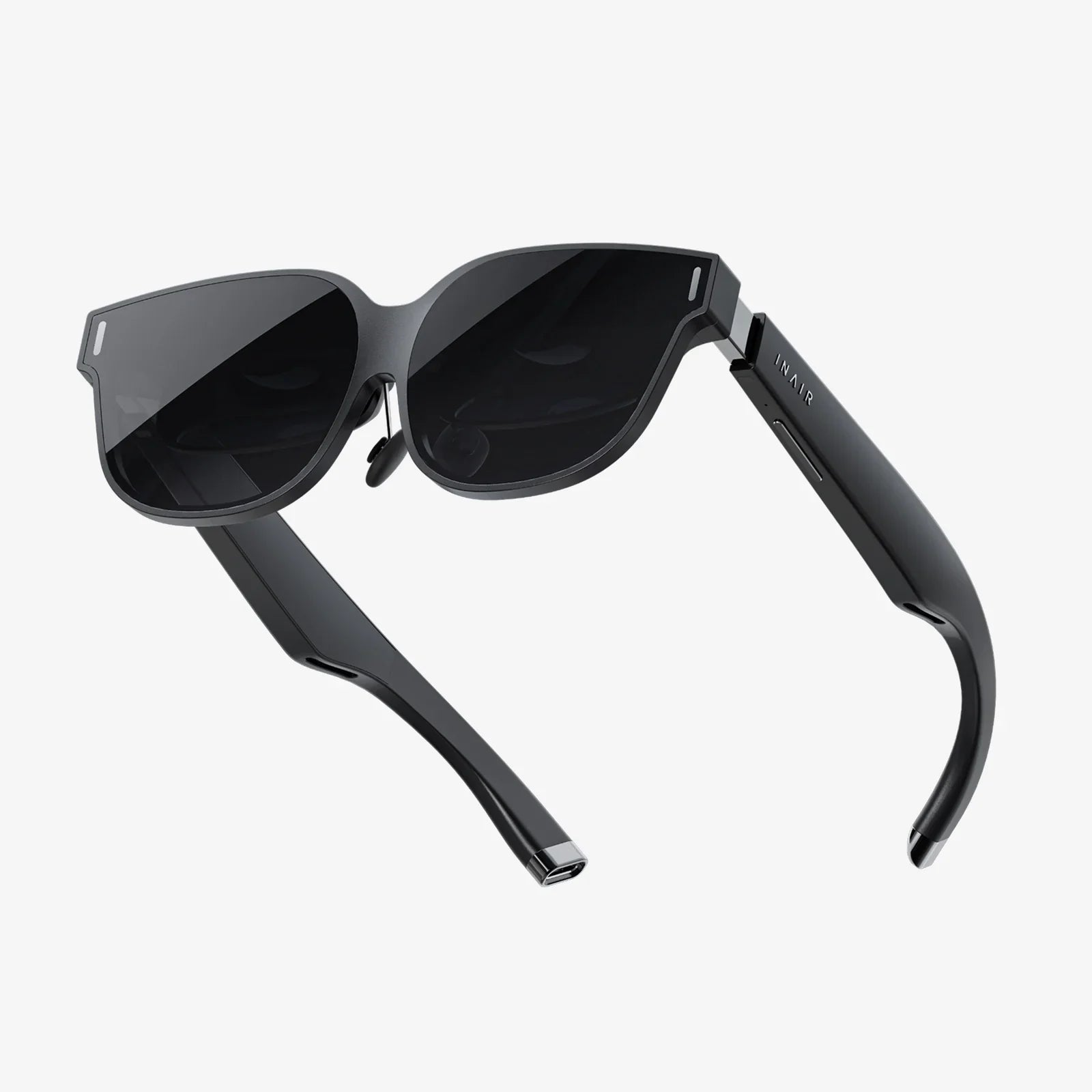
Creation requires interaction, and hardware forms the critical bridge between the human creator and the digital data. This goes far beyond the mouse and keyboard. Graphics tablets and styluses translate the subtle pressure and tilt of an artist's hand into digital brushstrokes. High-fidelity microphones capture the nuance of the human voice. Virtual and Augmented Reality headsets are the most immersive bridges of all, allowing creators to step inside their own creations and manipulate them with their hands, effectively becoming digital sculptors in a virtual space. The quality and capabilities of this hardware directly influence the fidelity and intimacy of the creative act.
The Many Faces of the Creator: A Spectrum of Digital Artistry
Digital creation is not a monolith. It is a vibrant ecosystem of diverse disciplines, each with its own culture, techniques, and masters.
The Visual Virtuosos
This group includes digital painters, illustrators, 3D modelers, animators, and visual effects (VFX) artists. They are the visual storytellers, crafting everything from the concept art that envisions new worlds to the final, photorealistic dragons that soar across our movie screens. Their work defines the aesthetic of our digital age, from the sleek interfaces of our apps to the breathtaking landscapes of blockbuster films.
The Sonic Architects
Composers, sound designers, and electronic music producers use digital tools to build auditory experiences. They can synthesize sounds that have never existed in nature, create immersive soundscapes for games and VR, and compose complex scores with an orchestra of virtual instruments. Their creations have the power to evoke deep emotion, build tension, and define the atmosphere of a digital experience.
The World Builders and Narrative Engineers
Game developers, VR experience designers, and interactive storytellers combine art, code, and narrative to construct worlds that users can explore and influence. This is creation at its most systemic and complex, involving level design, character writing, gameplay mechanics, and user experience (UX) design. They don't just tell a story; they create a space for stories to emerge through interaction.
The Code Poets
Software developers, web developers, and open-source contributors create with logic and language. Their medium is code, and their art is in building elegant, efficient, and powerful systems. From the website you are reading this on to the operating system of your phone, their digital creations form the foundational infrastructure of modern life.
Beyond Art: The Expansive Impact of Digital Creation
While the artistic achievements are stunning, the impact of widespread digital creation extends far beyond galleries and movie theaters, seeping into the very fabric of society and the economy.
Democratization and the Death of the Gatekeeper
Historically, creative industries were guarded by gatekeepers—studio executives, record label A&R reps, publishing houses, and gallery owners. Digital creation tools and distribution platforms have dismantled these gates. A teenager in their bedroom can now produce music that rivals studio quality, publish a webcomic to a global audience, or build a game and sell it on an open marketplace. This democratization has unleashed a tsunami of creativity from diverse voices that were previously excluded, enriching our global culture with new perspectives and stories.
The Creator Economy: A New Paradigm for Work
This democratization has given birth to the "Creator Economy," a new economic sector where individuals can build a career and a business around their digital creations. Through platforms enabling monetization via subscriptions, advertising, sponsorships, and direct sales, creators are no longer reliant on traditional corporate structures. They can cultivate a community of fans and patrons, turning their passion into a sustainable livelihood. This represents a significant shift in the world of work towards autonomy, portfolio careers, and value based on authentic engagement rather than traditional corporate ladder-climbing.
Redefining Identity and Community
Our digital creations are becoming extensions of our identity. The avatars we craft for ourselves in virtual spaces, the social media profiles we curate, and the virtual homes we decorate in online games are all expressions of self. Furthermore, creation is increasingly collaborative. Online communities form around shared creative goals—massively open-source projects, collaborative world-building platforms, and fan-creation mods for games. These spaces foster a sense of belonging and collective achievement, creating new social fabrics woven from shared digital creation.
Navigating the Uncharted: Challenges in the Digital Frontier
For all its promise, this new frontier is not without its perils and ethical dilemmas. As we build this future, we must be mindful of the challenges we create alongside our digital wonders.
The Intellectual Property Labyrinth
When creation is as easy as copying and pasting, intellectual property (IP) becomes a battlefield. Questions of ownership, copyright infringement, and fair use are more complex than ever. The rise of AI-generated art, trained on millions of existing human-created images, has ignited a fierce debate about originality, authorship, and the very definition of art. Establishing new ethical and legal frameworks for ownership in the digital age is one of our most pressing challenges.
The Accessibility Paradox
While tools are more accessible than ever, the highest levels of digital creation often require powerful, expensive computing hardware and costly software subscriptions. This can create a new digital divide, where access to the best tools of creation is limited to those with sufficient means, potentially recreating the very barriers the revolution sought to tear down.
The Mental Health Toll
The always-on, globally connected nature of the creator economy can be a recipe for burnout. The pressure to constantly produce content, engage with an audience, and monetize one's passion can lead to anxiety, exhaustion, and a corrosive commodification of the self. The line between personal life and public persona blurs, making it difficult for creators to find rest and maintain healthy boundaries.
Becoming a Digital Creator: Your Journey Starts Now
The path to becoming a digital creator is more open and supported than it has ever been in human history. Here’s how you can begin.
- Find Your Spark: What makes you curious? Do you want to tell stories, design worlds, make music, or build useful apps? Your genuine interest is your fuel.
- Embrace the Beginner's Mind: Start with free or low-cost tools. There are incredibly powerful applications available for no cost that are perfect for learning the basics. Don't be intimidated by professional software; every expert was once a beginner.
- Learn in Public: The internet is your university. Use tutorial sites, video platforms, and online courses to acquire skills. Join communities on forums and social media. Share your progress, even your failures. Feedback and camaraderie are invaluable.
- Iterate, Don't Perfect: Your first creation will not be your masterpiece, and that's okay. The digital medium rewards iteration. Create, get feedback, refine, and repeat. The goal is progress, not perfection.
- Find Your People: Collaborate with others. Join a game jam, contribute to an open-source project, or simply find a group of peers to share your work with. Creation is often better together.
The horizon of digital creation is expanding at a breathtaking pace, fueled by emerging technologies like AI and real-time ray tracing. AI is evolving from a tool to a creative partner, suggesting ideas, generating assets, and opening new avenues for exploration. The lines between the physical and digital are blurring through Augmented Reality, promising a future where our creations can interact with our real-world environment. We are moving towards a world of persistent, interconnected digital spaces often described as the metaverse, which will be built entirely by digital creators. This is not a distant future; it is being built today, pixel by pixel, line of code by line of code, by a global community of creators. You are no longer just an audience member; you are invited to step onto the stage and build what comes next. The tools are waiting. The community is ready. What will you create?
Share:
Stereoscopic Screen The Gateway to Immersive Digital Realms
XR Headset 2025: The Year Reality Gets a Major Upgrade