


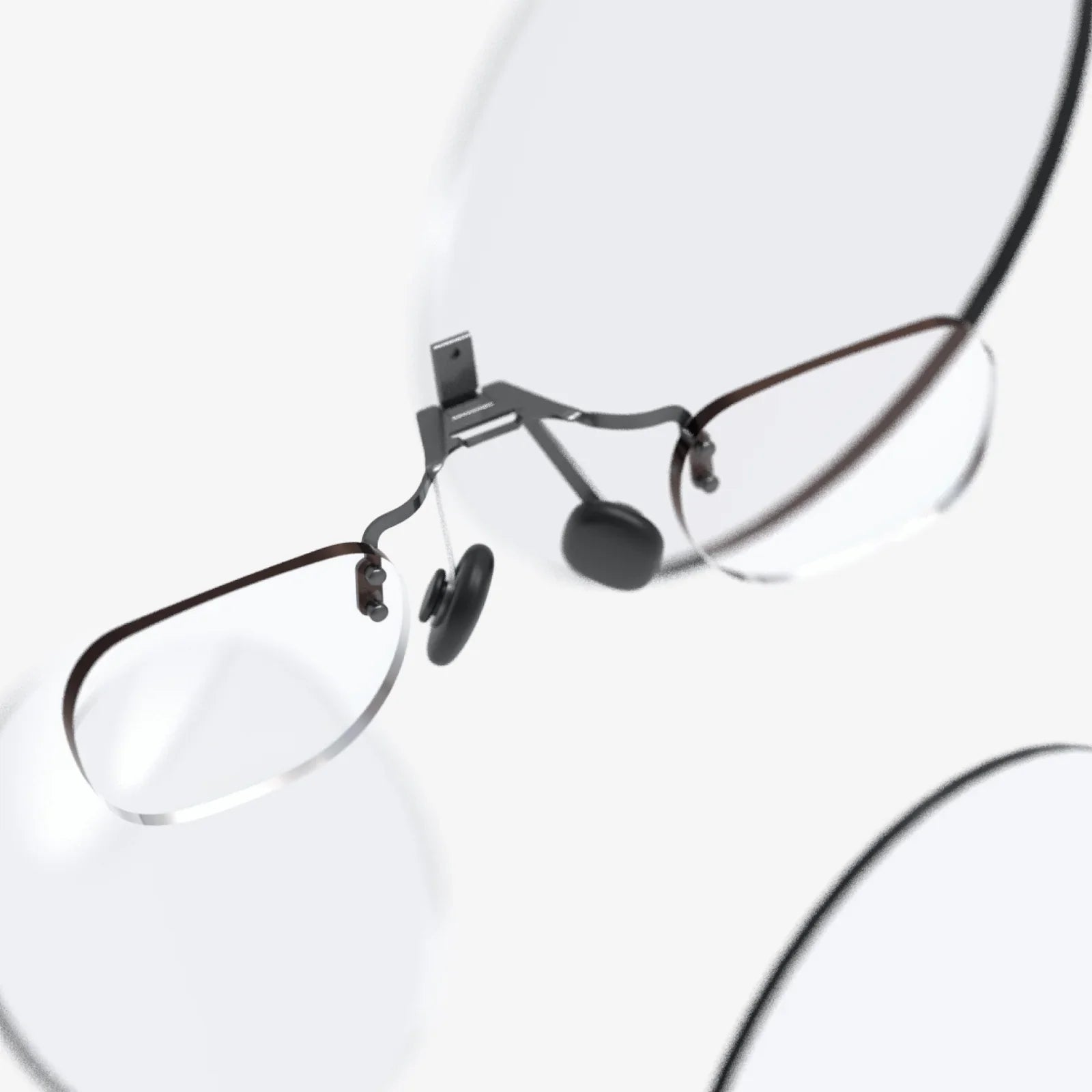
Imagine a virtual storefront so compelling, so intuitively designed, that it not only replicates but surpasses the experience of holding a product in your own hands. This is no longer the realm of science fiction; it is the present and future of commerce, powered by the sophisticated art and science of digital product display. In an online world saturated with choices, the way you present your offerings is the single most critical factor separating market leaders from the forgotten. It’s the difference between a passive scroll and an engaged click, between a abandoned cart and a loyal customer. Your digital display isn't just a gallery; it's your primary salesperson, your brand storyteller, and the very foundation of consumer trust.
The Evolution from Static Image to Immersive Experience
The journey of digital product presentation is a story of technological ascent. It began with the humble, often pixelated, single photograph. Customers were asked to make significant purchasing decisions based on a lone, static image—a leap of faith that resulted in high return rates and consumer apprehension. The progression to multi-angle galleries was a step forward, offering glimpses from various perspectives, yet it remained a fundamentally two-dimensional experience.
The true revolution began with the adoption of rich media. The integration of 360-degree spin functionality dismantled a major barrier to online sales. Suddenly, users could rotate a product at will, inspecting every angle as if it were sitting on a table in front of them. This simple feature fostered a sense of control and transparency, directly reducing perceived risk. Following closely was the widespread adoption of high-definition video, which moved beyond mere demonstration into the realm of narrative. A video could showcase a product in its intended environment, demonstrate its features in action, and evoke an emotional response that static imagery could never achieve.
Today, we stand on the brink of a new era defined by immersive technologies. Augmented Reality (AR) has emerged as a game-changer, particularly for industries like furniture, home decor, and fashion. AR allows consumers to project digital renderings of products into their own physical spaces through their device's camera. They can see how a new sofa fits in their living room, how a lampshade casts light on their desk, or how a pair of sunglasses looks on their face. This seamless blend of the digital and physical worlds drastically narrows the imagination gap, providing contextualized certainty that accelerates decision-making.
The Core Components of a High-Converting Display
Building an effective digital product display is akin to constructing a compelling argument; it requires evidence, clarity, and persuasion. Several core components must work in concert to create a convincing and shoppable experience.
Visual Fidelity: The Non-Negotiable Foundation
There is no compromise on quality. Blurry, poorly lit, or low-resolution imagery instantly erodes credibility and signals a lack of professionalism. Professional product photography is the absolute baseline. This includes:
- Neutral Backgrounds: Clean, white, or neutral backgrounds that keep the focus entirely on the product.
- Multiple Angles: A comprehensive set of images showing the product from the front, back, sides, top, and bottom.
- Close-Up Shots: Macro photography that highlights texture, material quality, craftsmanship, and intricate details like stitching, logos, or interfaces.
- Contextual Shots: Lifestyle imagery that places the product in a realistic setting, helping the customer visualize its use and scale.
Interactive Media: Engaging the Senses
Interactivity transforms a passive viewer into an active participant. This engagement is crucial for building connection and reducing uncertainty.
- 360-Degree Views: As mentioned, this is a critical tool for providing a comprehensive inspection capability.
- Embedded Video: Short, autoplaying videos on product pages can dramatically increase conversion rates. These videos should be concise, focusing on key features, benefits, or assembly instructions.
- Zoom and Pan Functionality: A high-resolution image that users can zoom into and explore inch-by-inch provides a level of detail inspection previously only available in physical stores.
Informational Architecture: Clarity and Completeness
A beautiful image is useless if the customer cannot find the information they need to buy. The display must integrate clear, concise, and comprehensive information seamlessly.
- Specifications and Dimensions: Presented in a clean, scannable format (often tables). For physical products, exact dimensions and weight are essential.
- Feature and Benefit Bullet Points: Easy-to-read lists that quickly communicate value propositions.
- Integrated User-Generated Content (UGC): Displaying customer photos and videos directly within the product gallery provides powerful social proof. It shows the product as it really is, in real-world conditions, as validated by peers.
The Psychology Behind Effective Digital Display
Successful digital product display is not just about technology; it's about understanding and leveraging fundamental principles of human psychology to build trust and desire.
Reducing Perceived Risk
The fundamental obstacle in online shopping is the customer's inability to physically evaluate the product. This creates a perceived risk—of the item not fitting, not matching its description, or simply not being as expected. A comprehensive display directly attacks this risk. Every additional image, every video, every zoomable detail, and every AR preview acts as a data point that reassures the customer. It answers their unasked questions before they even have to type them into a search bar or, worse, abandon the page out of frustration.
Building Sensory Engagement
Humans are sensory beings. We want to touch fabric, feel weight, and see how something reacts to light. While digital displays cannot fully replicate touch, they can compensate through other senses. High-quality video provides auditory cues (e.g., the sound of a car door closing, the click of a button) and visual dynamism. Zoom functionality simulates close inspection. AR provides spatial context. By engaging multiple senses through the screen, the experience becomes richer and more memorable, creating a stronger emotional connection to the product.
Fostering Control and Agency
The modern consumer demands control over their experience. They do not want to be fed information in a linear, predetermined way. Interactive displays cater to this desire. A 360-degree view allows them to choose their own viewing angle. Zoom lets them focus on what they deem important. Configurators allow them to customize colors and features. This sense of agency increases engagement time and makes the customer feel more invested in the product, as they have actively explored it on their own terms.
Technical Considerations and Best Practices
Implementing a high-performance display requires careful technical planning. The goal is to deliver a stunning visual experience without compromising site performance, which is itself a critical ranking and conversion factor.
Performance Optimization: The Need for Speed
Heavy media files are the primary culprit behind slow-loading product pages. A delay of even a second can lead to a significant drop in conversions. Best practices include:
- Next-Gen Image Formats: Utilizing modern formats like WebP or AVIF, which offer superior compression and quality compared to traditional JPEG or PNG files.
- Lazy Loading: Ensuring that images and videos only load as they are about to come into the user's viewport, drastically improving initial page load times.
- Responsive Image Serving: Automatically serving appropriately sized image files based on the user's device and screen size, preventing a mobile phone from downloading a desktop-sized file.
- Content Delivery Networks (CDNs): Hosting media assets on a global CDN to ensure fast delivery to users regardless of their geographic location.
Accessibility: Designing for All
An effective display must be accessible to everyone, including users with disabilities. This is both an ethical imperative and a legal requirement in many regions. Key considerations include:
- Alt Text: Providing detailed, descriptive alt text for every image, allowing screen readers to convey the content to visually impaired users.
- Keyboard Navigation: Ensuring all interactive elements, like video controls and image gallery arrows, can be operated using a keyboard.
- Color Contrast and Text Legibility: Ensuring that any text overlaid on images has sufficient color contrast to be readable by users with visual impairments.
The Future Horizon: What's Next for Digital Product Display?
The trajectory of this field points towards ever-greater immersion and personalization. The lines between the digital and physical will continue to blur.
The Rise of 3D and Hyper-Realistic Rendering
Three-dimensional product models are becoming increasingly commonplace. Unlike a pre-rendered 360 spin, a true 3D model allows for completely fluid and user-controlled inspection from any conceivable angle. Furthermore, advancements in real-time rendering are creating photorealistic digital twins that are indistinguishable from photographs. This is particularly valuable for products that are expensive to photograph or highly configurable.
The Metaverse and Virtual Stores
As virtual and augmented reality technologies mature, the concept of the online store will evolve into fully immersive virtual environments. Customers will use avatars to walk through digital showrooms, pick products off virtual shelves, and examine them in a shared social space with friends or other shoppers. This represents the ultimate expression of digital product display, transforming a transactional interface into an experiential destination.
AI-Powered Personalization
Artificial intelligence will curate the display experience in real-time. An AI could analyze a user's behavior—what they zoom in on, what colors they linger on, which videos they watch—and instantly reconfigure the product page to highlight the features and media most relevant to that individual. The display will become a dynamic, intelligent interface unique to every single visitor.
Your audience is not just browsing; they are seeking a reason to believe. They arrive at your digital doorstep with questions, hesitations, and a universe of alternatives just a tap away. A mundane carousel of images is an invitation for them to leave. A dynamic, immersive, and meticulously crafted digital product display, however, is a powerful argument for staying. It answers their questions before they are asked, builds confidence through transparency, and forges an emotional connection that transcends the transaction. This is how you win in the digital marketplace. This is how you turn viewers into advocates and products into passions. The tools are here, the audience is waiting—the only question is how compelling your story will be.
Share:
Wearable Tools Are Reshaping Our Interaction With Technology and the Physical World
VR Goggles Ranking: The Ultimate Guide to Choosing Your Perfect Headset in 2024