


- by wangfred
Digital Product Ideas 2025: The Next Frontier of Innovation and Opportunity
- by wangfred
Imagine a world where your digital environment anticipates your needs, seamlessly blends with your physical reality, and empowers you in ways previously confined to science fiction. This is not a distant future; it is the horizon of 2025, a year poised to become a landmark epoch for digital innovation. The convergence of several powerful technological currents is creating a fertile ground for a new generation of digital products that will redefine how we live, work, and connect. For entrepreneurs, developers, and visionaries, the opportunities are not just emerging; they are exploding onto the scene, waiting to be captured and shaped into the next indispensable tools of modern life.
Before we explore the specific product ideas, it is crucial to understand the foundational technologies that serve as the building blocks for this coming wave of innovation. These are not mere trends but powerful engines driving change across every industry.
Artificial Intelligence, particularly generative AI, has moved from a novel tool to a core utility. By 2025, AI will be less of a standalone product and more of an embedded, intelligent layer within everything. We are moving from AI that responds to commands to AI that proactively suggests, creates, and automates. This shift enables hyper-personalization at an unprecedented scale, allowing digital products to adapt uniquely to each user's behavior, preferences, and real-time context. The AI will act as a co-pilot, assistant, and creator, fundamentally changing the user interface from one of clicks and commands to one of conversation and collaboration.
The concept of the metaverse is evolving beyond the hype into tangible, practical applications. In 2025, we will see the rise of spatial computing—digital products that understand and interact with the physical space around them. This is facilitated by advanced augmented reality (AR) hardware, wearable technology, and a more robust digital twin infrastructure. The key innovation will be products that solve real-world problems by overlaying contextual data and digital interactions onto our physical reality, blurring the line between the digital and the physical in useful, rather than purely escapist, ways.
The next frontier of personalization lies in biometrics. With the maturation of non-invasive sensors in wearables and even standard devices, digital products will gain deep insights into our physiological and emotional states. This goes beyond counting steps; it's about understanding stress levels through voice tone analysis, gauging focus through subtle facial cues (with appropriate privacy safeguards), and adapting content or functionality to optimize for user well-being and efficiency. This bio-responsive design will create a new paradigm of empathetic technology.
Powered by these technological catalysts, a new class of digital products is set to emerge. These ideas represent fertile ground for startups and established companies looking to build the next big thing.
This is more than a calendar or a to-do list app. It is a proactive, integrated AI system that acts as a chief of staff for your entire life. It synthesizes data from your emails, calendars, health apps, financial accounts, and even your smart home devices. The platform doesn't just manage your schedule; it architectes your time and resources.
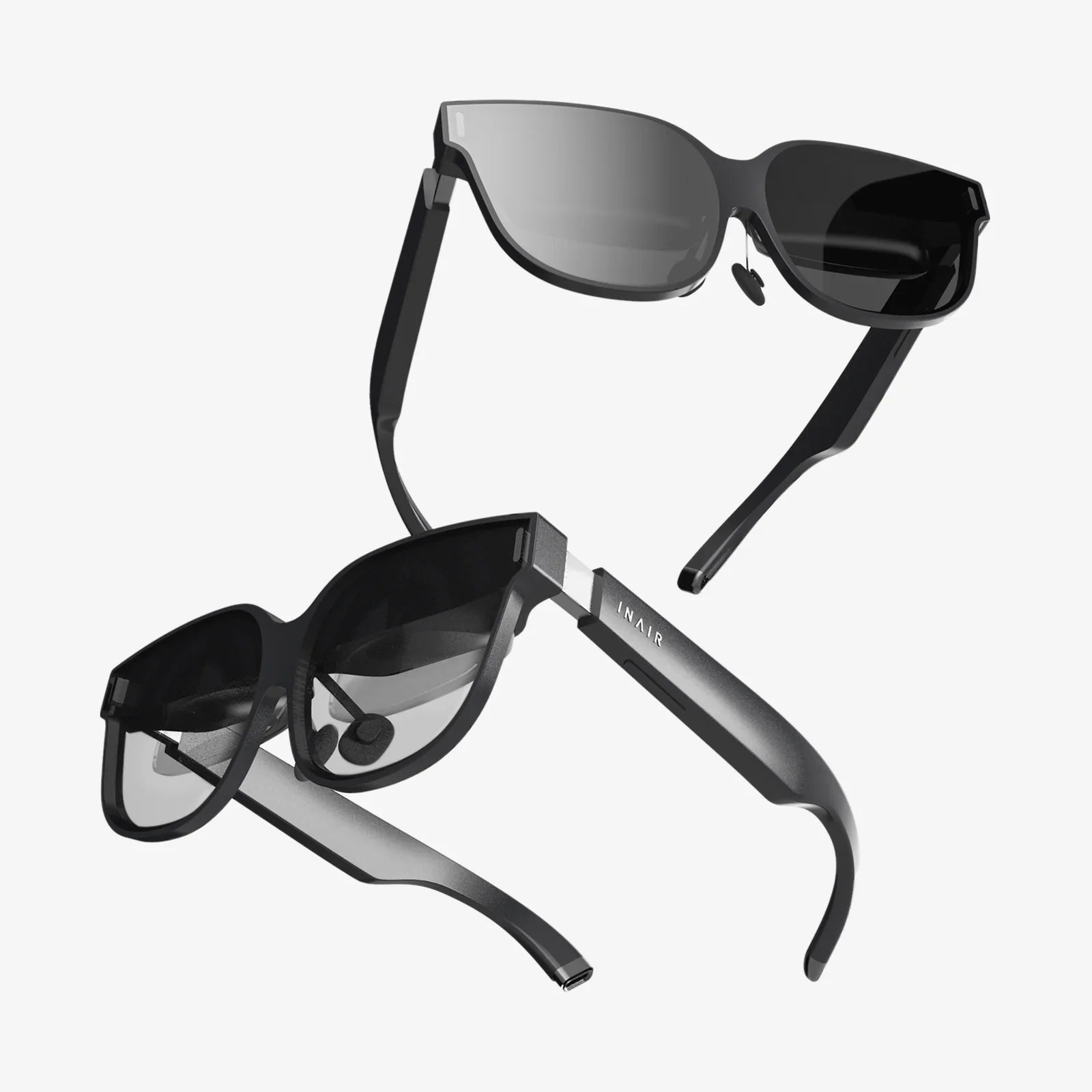
As remote and hybrid work becomes permanent, the next productivity leap will come from spatial computing. Imagine donning a comfortable pair of AR glasses and instantly transforming your physical desk into a powerful, multi-monitor digital workspace.
In an increasingly digital world, concerns over privacy, data ownership, and online reputation are paramount. This product would be a user-centric platform for managing your digital self.
Moving beyond generic meditation apps, this product delivers a truly personalized mental and physical fitness regimen powered by biometric data and AI.
The demand for personalized content is insatiable. This product empowers individuals and small businesses to become sophisticated content creators without a Hollywood budget.
The path to building these revolutionary 2025 products is fraught with significant challenges that must be addressed from the outset.
Products that leverage biometric, spatial, and personal data are inherently sensitive. Building trust will be the primary hurdle. Privacy-by-design must be the core engineering principle, not an afterthought. This means implementing robust end-to-end encryption, giving users transparent control over their data, and exploring on-device processing to ensure the most personal data never leaves the user's hardware. Clear, human-readable data usage agreements will be a key feature, not a legal obstacle.
The AI systems powering these products are only as good as the data they are trained on. Teams must be vigilant in auditing their datasets and algorithms for biases related to race, gender, age, and geography. A hyper-personalized product that works brilliantly for one demographic but fails for another is a product destined to fail in the global marketplace. Diverse development teams and continuous bias testing are non-negotiable costs of doing business.
As interfaces become conversational, spatial, and increasingly invisible, designing intuitive and frustration-free user experiences becomes more complex. How does a user discover features in an AR space? How do they correct an AI that misunderstands a complex command? The UX design discipline will need to evolve rapidly, focusing on teaching users how to interact with these new paradigms through subtle cues, feedback loops, and graceful failure states.
The digital product landscape of 2025 will be built by those who can see beyond the specs of today's technology and envision the human needs of tomorrow. It demands a fusion of technical prowess, ethical consideration, and profound creativity. The ideas presented here are merely a starting point—a glimpse into a future that is yours to define. The tools are emerging, the market is ready, and the next decade of digital dominance awaits its architects. Will you be among them?
Share:
Smart Wireless Device Revolution: Reshaping Our Daily Lives and Future
Wearable Computer Price: A Comprehensive Guide to Costs, Value, and Future Trends