


- by wangfred
Wearable Computer Price: A Comprehensive Guide to Costs, Value, and Future Trends
- by wangfred
You've seen them on wrists, perched on noses, and woven into the fabric of modern life: wearable computers. They promise a future of seamless integration between human and machine, but for many, the first and most pressing question isn't about features or battery life—it's about cost. The price tag on these miniature marvels of technology can be a significant barrier, a confusing range of figures that seems to defy easy explanation. What truly determines the wearable computer price, and how can you navigate this complex market to find a device that offers genuine value for your investment? This isn't just about finding the cheapest option; it's about understanding the intricate dance of research, development, materials, and functionality that culminates in that final number. Prepare to dive deep into the economics of wearables, where we'll decode the costs, challenge the perceptions, and unveil the future of pricing in this revolutionary tech sector.
When you see a wearable computer price, it's easy to view it as a single cost. In reality, it's an amalgamation of numerous investments, both tangible and intangible. Dismantling this cost reveals why prices vary so dramatically.
Research and Development (R&D): This is often the most substantial hidden cost. Designing a device that is powerful yet power-efficient, compact yet durable, and intuitive yet feature-rich requires immense engineering prowess. Years of research into new form factors, user interfaces, and sensor integration represent a colossal upfront investment that is factored into the price of each unit sold. The development of proprietary operating systems and software ecosystems also falls under this umbrella.
Component Costs: The bill of materials is a primary driver of cost. This includes:
Software and Ecosystem: The price isn't just for hardware. Continuous software updates, robust security patches, and access to a rich app store are services that require large, dedicated teams of developers and designers to maintain and improve.
Brand Value and Marketing: Established tech giants invest heavily in marketing, retail presence, and brand prestige. This brand equity, built on a reputation for quality and innovation, is reflected in the pricing strategy.
Manufacturing and Assembly: The process of assembling hundreds of tiny, sensitive components into a water-resistant, consumer-ready product is incredibly precise and expensive, often requiring specialized, automated production lines.
The wearable market is not a monolith. It's a vast landscape with distinct tiers, each with its own price point and value proposition.
This segment is dominated by basic fitness trackers and simple smartwatches. The wearable computer price here is kept low by prioritizing core functionality. You can expect:
These devices offer tremendous value for anyone looking to dip their toes into the world of wearables without a significant financial commitment. They perform their limited set of functions well but lack the processing power, premium build, and advanced health features of their more expensive counterparts.
This is the most competitive and popular segment, often considered the "sweet spot" for many consumers. Devices here balance features, performance, and price masterfully. For this wearable computer price, you typically get:
This tier is for the serious fitness enthusiast or the user who wants a reliable, full-featured smartwatch that seamlessly integrates with their digital life.
Here, the wearable computer price reflects not only top-tier technology but also premium materials and brand prestige. Devices in this category are statement pieces. They include:
This segment caters to tech early adopters, health-conscious individuals who want the most comprehensive data, and those who view their device as a luxury accessory as much as a tool.
Beyond the consumer market lies a realm of specialized wearables. These are often prescription-only or designed for specific clinical or industrial use cases. Their price is justified by:
The value proposition here is not convenience or connectivity, but potentially life-saving data and professional-grade reliability.
The initial wearable computer price is only part of the financial picture. The true cost of owning a device unfolds over time.
Subscription Services: An emerging and significant trend is the bundling of advanced health analytics and personalized insights behind a monthly or annual subscription paywall. A device might cost $300 upfront, but unlocking its full potential, including detailed sleep analysis, workout readiness scores, and nutrition planning, could require a recurring fee. This model spreads the cost out but can ultimately exceed the hardware's price over a few years.
Replacement Bands and Accessories: To customize the look and feel of a device, users often purchase additional bands—from sporty silicone to formal leather or metal. Screen protectors and protective cases also add to the total investment.
Potential Repair Costs: While many devices are water-resistant, they are not immune to damage. A cracked screen or a failed battery outside the warranty period can lead to repair costs that are a significant fraction of the original price, sometimes making replacement the more economical option.
Software Support Lifespan: A cheap device from an unknown brand might stop receiving software updates after a year, leaving it vulnerable to security issues and devoid of new features. A higher initial investment in a device from a reputable manufacturer often guarantees 3-5 years of support, protecting your investment and extending the device's useful life.
Determining the right wearable computer price for you is a personal calculation of value. It requires looking beyond the spec sheet and asking key questions:
What is Your Primary Use Case? Are you a casual walker, a marathon trainer, a biohacker, or a professional looking to disconnect from your phone? Your primary need should dictate your budget. A budget tracker is poor value for a serious athlete, just as a premium LTE watch is overkill for someone who only wants to count steps.
Ecosystem Compatibility: The value of a wearable is greatly enhanced if it integrates seamlessly with your existing smartphone and other devices. Incompatibility can lead to a frustrating experience that negates any savings from a lower purchase price.
Build Quality and Durability: A device made with premium materials may have a higher upfront cost but is likely to last longer and look better doing it, offering better long-term value than a cheaper device that needs replacing in two years.
The Intangible Value of Health: For many, the most significant value proposition is improved health outcomes. A device that motivates you to move more, sleep better, and understand your body's signals can provide value that far exceeds its monetary cost, potentially reducing future healthcare expenses.
The economics of wearables are not static. Several powerful trends are poised to reshape the pricing landscape in the coming years.
Market Saturation and Competition: As the market matures and competition intensifies, we can expect feature sets that are currently premium to trickle down to the mid-range and budget segments. This will increase the value proposition at every price point.
Technological Democratization: The cost of components like sensors and displays follows a predictable downward trend over time. Advances in manufacturing, such as more efficient chip production (e.g., moving to 3nm or smaller processes), will reduce the cost of power while increasing performance, allowing for more capable devices at lower prices.
The Rise of the Subscription Model: The hardware itself may become a lower-margin gateway to lucrative subscription services. We may see more aggressive pricing on devices themselves, with companies recouping costs and generating profit through ongoing service fees for advanced analytics and personalized coaching.
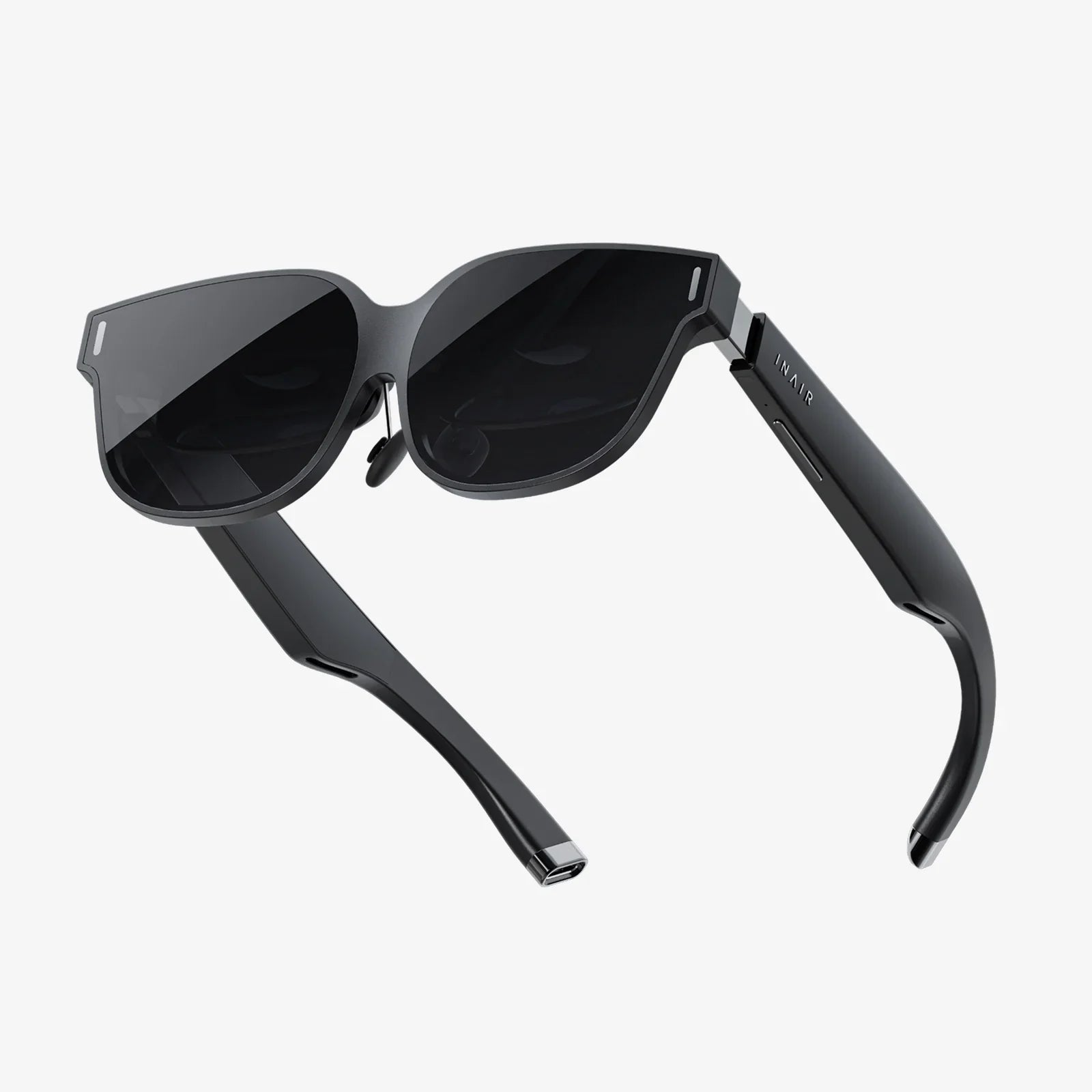
New Form Factors and Specialization: The next generation of wearables—smart rings, intelligent eyewear, and sensor-embedded clothing—will create new pricing paradigms. Highly specialized devices for niche markets may command high prices, while simplified, single-purpose devices could become commoditized and extremely affordable.
Second-Hand and Refurbished Markets: As the upgrade cycle continues, a robust market for certified pre-owned wearables is emerging. This provides a pathway for consumers to access higher-tier technology at a significantly reduced wearable computer price, with the peace of mind that comes from professional refurbishment and warranty.
So, the next time you glance at a wearable computer price, see it not as a simple number, but as a story. It's a narrative of scientific ambition, engineering marvels, material science, and strategic market positioning. It's a value equation that extends far beyond the checkout page, encompassing your health, your convenience, and your connection to the digital world. The perfect device isn't the cheapest or the most expensive—it's the one whose price accurately reflects the tangible and intangible value it brings to your wrist, your finger, or your vision, seamlessly unlocking a more connected and informed version of yourself.