


Imagine a world where your morning coffee is brewed to perfection the moment your sleep cycle completes its final REM stage, where your shirt monitors your stress levels during a crucial meeting and subtly guides your breathing to calm you, and where a simple glance at your smart glasses projects the day’s agenda onto your field of vision. This is no longer the stuff of science fiction; it is the imminent future being forged by the most profound digital trends in wearables. We are on the cusp of a revolution that will see technology not just on our bodies, but woven into the very fabric of our existence, creating a seamless, intuitive, and deeply personal digital layer over our physical reality.
The Evolution Beyond the Wrist: From Quantified Self to Qualified Life
The journey of modern wearables began on the wrist. Fitness trackers and smartwatches pioneered the concept of the quantified self, providing users with a torrent of data—steps taken, heart rates measured, calories burned. This was a crucial first step, democratizing access to personal health metrics that were once confined to medical labs. However, the current digital trends are pushing far beyond simple metrics. The focus is shifting from mere quantification to qualification—using data not just to inform, but to improve the quality of life.
This evolution is marked by a move from reactive data to proactive insights. Early devices told you what you did; the next generation tells you what to do. Advanced algorithms and machine learning now analyze patterns over time, offering personalized recommendations. Instead of just noting a poor night's sleep, a contemporary wearable might suggest an adjusted bedtime, recommend a wind-down routine based on your behavior, or even integrate with smart home devices to gradually lower the lights and temperature to create an ideal sleep environment. This holistic approach transforms the wearable from a passive recorder into an active life coach, aiming to enhance overall well-being rather than just track isolated metrics.
The Invisible Interface: Technology That Fades into the Background
Perhaps the most significant trend is the pursuit of invisibility. The ultimate goal of wearable technology is to become so seamlessly integrated into our lives that we forget it's there. This manifests in two key ways: miniaturization and novel form factors.
Miniaturization is relentlessly shrinking sensors and batteries, allowing powerful computing to be embedded into increasingly discreet objects. We are moving from chunky wrist-worn computers to sleek rings, virtually invisible hearing aids that also translate languages in real-time, and smart patches that monitor hydration and electrolyte levels for athletes. The technology is retreating from the center of our attention, becoming a silent partner in our daily routines.
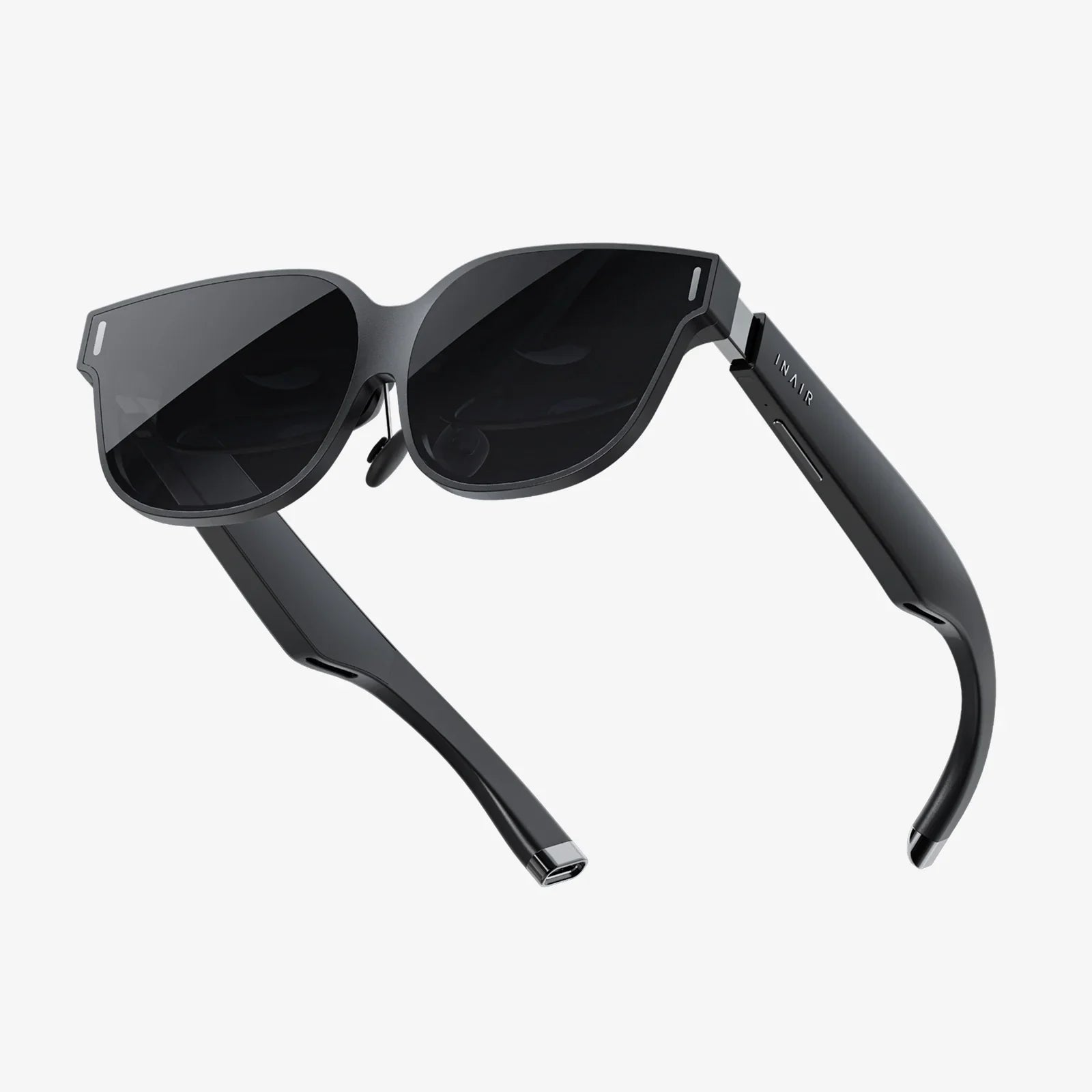
Simultaneously, the very definition of a "wearable" is expanding. Smart fabrics and electronic textiles (e-textiles) are embedding conductive threads directly into clothing, creating shirts that measure muscle exertion, socks that analyze running gait, and jackets with built-in heating and gesture controls. Smart glasses are being reimagined not as bulky headsets for immersive virtual reality, but as lightweight frames that overlay useful contextual information onto the real world—a concept known as augmented reality. This trend points toward a future where any surface, even the skin itself through advanced biometric tattoos, can become an interactive, intelligent interface.
The Biosensor Revolution: A Deeper Dive into Health and Predictive Care
At the heart of this invisible revolution are staggering advances in biosensing technology. The range of physiological data that can be captured continuously and non-invasively is expanding at an explosive rate. Beyond optical heart rate monitors, we now see wearables incorporating:
- Electrodermal Activity (EDA) Sensors: Measuring minute changes in skin sweat to track stress and emotional responses.
- Electrocardiogram (ECG) Apps: Allowing users to take a medical-grade ECG anytime, anywhere, enabling early detection of atrial fibrillation.
- Blood Oxygen Saturation (SpO2) Monitors: Providing insights into respiratory health and sleep apnea.
- Continuous Glucose Monitors (CGMs): While pioneered for diabetics, this technology is now being explored for general wellness, helping users understand how diet and lifestyle affect their blood sugar levels.
- Core Body Temperature Sensors: Offering valuable data for fertility tracking, illness detection, and athletic performance.
This shift is monumental. It represents a move from episodic healthcare, where data is captured during infrequent doctor's visits, to continuous, longitudinal health monitoring. The data collected paints a dynamic, high-resolution picture of an individual's health, capturing nuances that a single snapshot in a clinic could never reveal. This empowers a new era of predictive and preventative medicine. Algorithms can identify subtle deviations from personal baselines that may signal the onset of illness, fatigue, or mental health episodes long before obvious symptoms appear, allowing for early intervention and truly personalized health strategies.
The AI Brain: From Raw Data to Personalized Wisdom
Raw sensor data is meaningless without interpretation. This is where Artificial Intelligence (AI) and machine learning become the indispensable brain of the wearable ecosystem. The sheer volume of data generated by these devices—terabytes of biometric information from millions of users—is impossible for humans to parse. AI algorithms excel at this task, identifying complex, non-obvious correlations and patterns.
AI is what transforms a heart rate reading into an understanding of cardiovascular fitness, a sleep pattern into a diagnosis of sleep quality issues, and a combination of movement and EDA data into a recognition of an anxiety attack. Furthermore, these systems are becoming increasingly personalized. They learn the unique rhythms of their user—what a "normal" stress response looks like for you, what truly impacts your sleep, and what activities maximize your productivity. This allows them to move from generic advice to hyper-personalized, contextual nudges. The AI doesn't just know a workout was intense; it knows how that workout compares to your historical performance and can recommend the optimal recovery time for your body.
The Connected Ecosystem: Weaving a Web of Contextual Intelligence
No wearable is an island. The most powerful insights are generated when a device communicates with a broader ecosystem of other smart products and services. This trend of hyper-connectivity is crucial for adding rich layers of context to biometric data.
Imagine your wearable detecting elevated stress levels. In isolation, it can suggest a breathing exercise. But when connected to your calendar, it sees you are in a meeting and silences notifications to minimize distraction. When connected to your smart lights, it could subtly dim them to create a calmer environment. If connected to your music streaming service, it might automatically play a focus-enhancing soundtrack. This seamless interoperability creates a ambient intelligence that responds holistically to your state of being, orchestrating your environment to support your well-being without requiring conscious command.
Navigating the Inevitable Challenges: Privacy, Security, and the Human Element
This data-rich, always-on future is not without its profound challenges. The very intimacy of wearables—their ability to collect our most sensitive health, location, and behavioral data—creates a significant responsibility and risk.
Data Privacy and Ownership: Who owns this incredibly personal data? Is it the user, the device manufacturer, the software developer, or the insurance company that might offer a discount for wearing one? Clear and transparent data governance frameworks are desperately needed. Users must have unequivocal control over how their data is collected, used, and shared.
Cybersecurity: A wearable that can track your location and health is a treasure trove for malicious actors. A breach is not just about leaked emails; it could reveal deeply private medical conditions or daily routines. Ensuring military-grade encryption and robust security protocols is non-negotiable for an industry dealing with such sensitive information.
The Human Reliance Paradox: As we become more reliant on algorithms to interpret our own bodies, do we risk losing the ability to listen to our innate signals? There is a danger of outsourcing our intuition to machines, creating a generation that needs a device to tell them they are tired, stressed, or hungry. The technology must be designed to enhance human awareness, not replace it.
Algorithmic Bias: If AI models are trained on non-diverse datasets, their recommendations and diagnoses will be biased. A sleep algorithm trained primarily on young, male athletes will be less accurate for an elderly woman. Ensuring inclusive data collection is critical to building equitable and effective wearable technology for all.
The Horizon: What Comes Next?
The future of digital trends in wearables points toward even deeper integration. Brain-computer interfaces (BCIs), once a fantastical idea, are making tangible progress, with non-invasive headsets beginning to monitor focus and meditation states. These could revolutionize how we interact with technology, moving beyond touch and voice to pure thought. Further out, we can anticipate nanotechnology playing a role, with ingestible or implantable sensors that provide continuous, internal health monitoring from within the body.
The endpoint of these trends is a world where technology becomes a true extension of human capability—a seamless, symbiotic partnership. The wearable will cease to be a distinct "device" and will instead become an ambient, intelligent layer that enhances our perception, optimizes our health, and empowers us to live more fulfilling lives. It will be the unspoken assistant, the guardian of our well-being, and the lens through which we perceive and interact with a digitally-augmented world.
The next time you glance at your wrist for a notification, remember that you are witnessing just the first, clumsy step of a much grander journey. The true potential of wearables lies not on your arm, but in the promise of technology that understands you so completely it anticipates your needs, protects your health, and empowers your potential, all while fading so perfectly into the background that you forget it's even there. The era of visible gadgets is ending; the age of invisible, intelligent assistants is just beginning, and it will fundamentally redefine what it means to be human in a digital world.
Share:
Smart Devices for Your Business: The Ultimate Guide to Unlocking Efficiency and Growth
AR Projects and Developments: Shaping the Future of Reality