


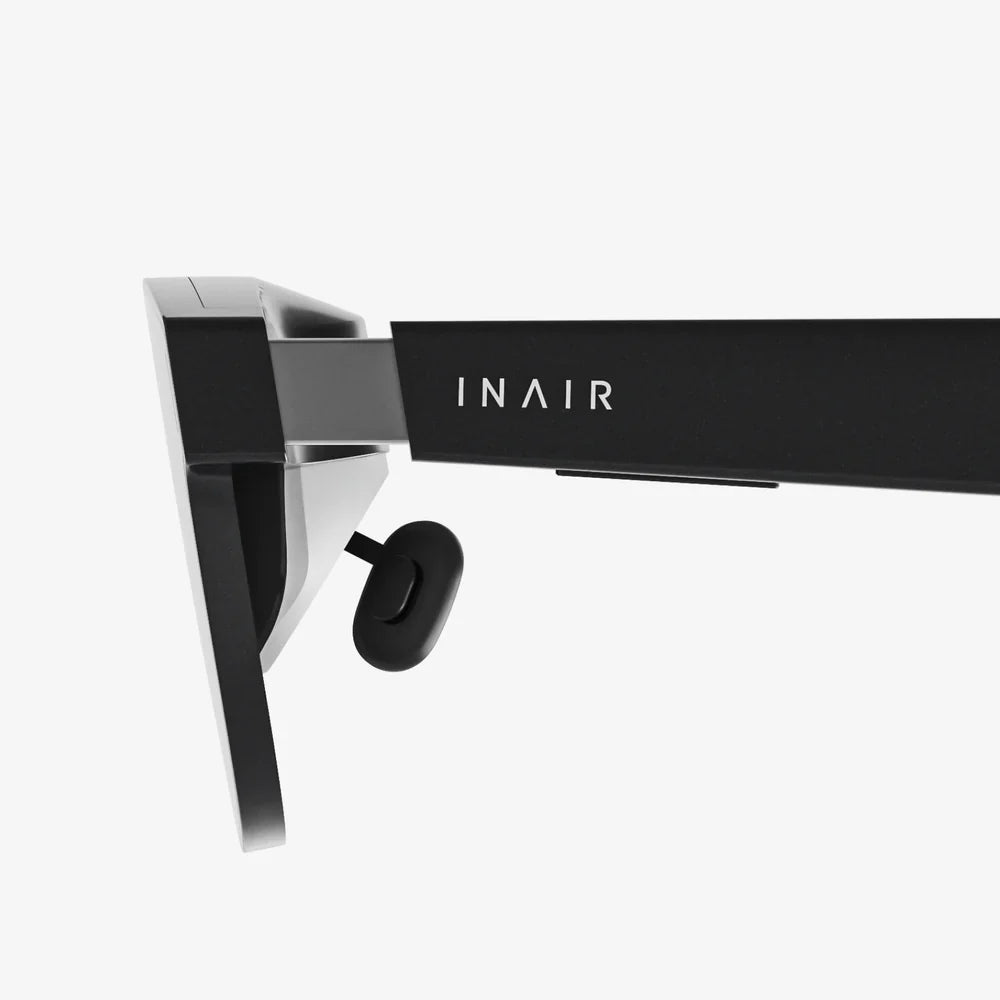
Stepping into a virtual world is an experience like no other, but that immersion shatters the moment you can't see the digital landscape clearly. If you've ever found yourself squinting at a blurry menu or struggling to read text in a VR application, you're not alone. The question of whether you need your glasses inside a headset is one of the first and most crucial hurdles for millions of potential VR users. The answer isn't a simple yes or no; it's a journey into the fascinating intersection of ophthalmology and technology. Your prescription, the specific headset you use, and your personal comfort all play a pivotal role in crafting your perfect virtual vista. This definitive guide will cut through the confusion, providing you with all the knowledge you need to achieve visual perfection in the metaverse and beyond.
How VR Headsets Manipulate Vision: A Primer
To understand why your vision correction matters in VR, you first need a basic grasp of how these devices work. Unlike a television or monitor that you view from a distance, a VR headset uses optics to create the illusion of a much larger screen placed further away. Inside the headset, two small lenses are positioned between your eyes and the twin displays. These lenses focus and reshape the light from the screens, aiming to make the image appear as if it's coming from a point several feet away, a distance often referred to as the focal distance or virtual image distance.
This design is ingenious, but it has a critical implication: if you require glasses or contact lenses to see an object clearly that is two meters away in the real world, you will almost certainly need that same vision correction to see clearly inside a VR headset. The headset is not correcting your vision; it is presenting an image that your uncorrected eyes must still focus on. Conditions like myopia (nearsightedness), hyperopia (farsightedness), and astigmatism all persist within the virtual environment. If the world is blurry at a distance for you, a virtual mountain range will be just as blurry.
The Great Debate: Wearing Your Glasses Inside the Headset
The most straightforward solution for many is to simply wear their existing eyeglasses while using a VR headset. This is a perfectly viable option supported by most modern hardware, but it comes with a set of compromises that users must carefully consider.
The Advantages of Using Your Own Glasses
The primary benefit is convenience and cost. There's no additional purchase required. You simply put on your headset as you would a pair of oversized sunglasses. For users who only engage in short VR sessions or who may share their headset with others who also wear glasses, this can be the most practical approach. It also means you always have your corrected vision available without swapping between different lens solutions.
The Significant Drawbacks and Risks
Despite the convenience, wearing glasses inside a VR headset introduces several challenges:
- Comfort and Pressure: You are effectively stacking two frames on your face. This can lead to increased pressure on the bridge of your nose and behind your ears, often causing discomfort and hot spots during longer play sessions.
- Reduced Field of View (FOV): To avoid your glasses frames touching the headset's lenses, you may need to use the headset's built-in adjustment knob to move the lenses further away from your face. This action, while creating necessary clearance, shrinks your overall field of view, making the experience less immersive as you see more of the black borders around the image.
- The Scratches Scenario: This is the most critical risk. If your glasses are not perfectly positioned, the hard, plastic or glass lenses of your prescription glasses can come into direct contact with the softer, plastic Fresnel lenses of the VR headset. This contact can permanently scratch both sets of lenses, leading to costly repairs or replacements. Many users first discover these scratches as a permanent, blurry smudge in the center of their view.
- Light Leak and Fit: The arms of your glasses can prevent the headset's light-blocking facial interface from forming a proper seal, allowing external light to bleed in and break immersion.
Modern Solutions: Built-in and Aftermarket Vision Correction
Thankfully, the industry has recognized this widespread need and has developed innovative solutions that move beyond the awkwardness of wearing two pairs of glasses.
Built-in Diopter Adjustment Dials
Some higher-end headsets now feature a brilliant solution: integrated diopter wheels. Located directly on the lens housing, these dials allow users to adjust the focus of each lens independently, typically within a range of -5 to +5 diopters. This is a game-changer for users with simple nearsightedness or farsightedness. It effectively negates the need for glasses or inserts for a significant portion of the population, offering a seamless, bespoke visual experience. It's crucial to check the specifications of a headset to see if this feature is included, as it is not yet a universal standard.
Prescription Lens Inserts: The Ultimate Solution
For those with more complex prescriptions, including astigmatism, or for anyone seeking the best possible experience, custom prescription lens inserts are widely considered the gold standard. These are custom-made magnetic adapters that slot perfectly into the lens housing of your specific VR headset model.
Think of them as high-tech bifocals for your device. You send your prescription to a specialized manufacturer, and they produce lenses that are precisely curved to fit your headset and your eyes. The advantages are profound:
- Perfect Clarity and Maximum FOV: Because they sit in the optimal position, they provide the sharpest possible image and preserve the headset's full, intended field of view.
- Unmatched Comfort: They eliminate all pressure on your face and nose from wearing two frames. The headset feels as it was designed to.
- Complete Lens Protection: The plastic inserts act as a permanent protective barrier, ensuring your expensive headset lenses will never be scratched by glasses or dust.
- Convenience: Most are magnetic, allowing for easy removal if multiple people with different vision needs use the same headset.
The Contact Lens Compromise
For those who already wear them, contact lenses offer a superb middle ground. They provide corrected vision without any of the physical drawbacks of glasses—no pressure, no risk of scratches, and no reduced FOV. It's a simple, effective solution that requires no extra hardware. The only considerations are the comfort of wearing contacts for extended periods and the need for proper hygiene, as a VR session can dry out your eyes faster than usual.
Finding Your Perfect Fit: A User's Decision Matrix
So, how do you decide which path is right for you? Follow this logical decision process:
- Identify Your Need: Do you wear glasses for distance vision? If yes, you need correction in VR.
- Check Your Headset: Does it have a diopter adjustment dial? If your prescription is within its range, this may be all you need. Experiment with it first.
- Assess Your Usage: Are you a casual user with low-to-moderate prescriptions who experiences no discomfort? Carefully wearing your glasses inside the headset (using spacer inserts if provided) might be acceptable.
- Consider Your Commitment: Are you an enthusiast, a professional, or someone with a strong prescription and astigmatism? Prescription lens inserts are unequivocally the best choice for visual clarity, comfort, and protecting your hardware investment.
- Explore the Alternative: If you are already a contact lens wearer and are comfortable with them, this is an excellent zero-cost option.
Ultimately, the goal is to forget the technology entirely and lose yourself in the experience. The right vision solution is the one that you never have to think about. It disappears, allowing you to focus not on pixels and lenses, but on the game, the social connection, the creative tool, or the breathtaking virtual landscape in front of you. By taking the time to address this fundamental aspect of VR, you ensure your gateway to other worlds is as clear and comfortable as reality itself—or even better.
Imagine a future where your first step into a new headset involves a quick eye scan, automatically calibrating the digital world to your unique vision—no hardware, no inserts, no questions asked. While we aren't quite there yet, the solutions available today are more advanced and accessible than ever before. Don't let blurry vision be the barrier that holds you back from truly immersive experiences. The clarity of a perfectly rendered virtual universe is not a distant dream; with the right approach to vision correction, it's a reality waiting for you to log in.
Share:
Online VR: The Dawn of a New Digital Reality and Its Boundless Possibilities
Online VR: The Dawn of a New Digital Reality and Its Boundless Possibilities