


- by wangfred
Ear Wearables: The Unseen Revolution Reshaping Our Daily Lives
- by wangfred
Imagine a world where the most powerful computer you interact with isn't in your pocket or on your desk, but rests comfortably in your ear, whispering insights, translating languages in real-time, and safeguarding your health before you even feel unwell. This is not a distant sci-fi fantasy; it is the imminent future being built today through the rapid and profound evolution of ear wearables. Moving far beyond their origins in simple audio playback, these discreet devices are poised to become the next great interface between humans and the digital world, a revolution happening not on a screen, but directly in our auditory cortex.
The journey of ear wearables is a fascinating story of technological convergence. For decades, the primary occupants of the ear canal were hearing aids, highly specialized medical devices designed for a single crucial purpose. The advent of the wireless earbud, initially conceived for cord-free music listening, marked the first major pivot. It democratized ear-based technology, making it a mainstream consumer product. This was the foundational step. The real transformation began when manufacturers started packing these tiny form factors with an array of sophisticated sensors—accelerometers, gyroscopes, optical heart rate monitors, skin temperature sensors, and microphones powerful enough to isolate a single voice in a crowded room. This sensor fusion turned a passive audio device into an active data-gathering hub, a personal dashboard for the body and its environment.
At their core, ear wearables remain gateways to sound, but their capabilities have expanded exponentially. Active Noise Cancellation (ANC) technology is no longer a luxury; it is a tool for crafting personal sonic environments. It allows users to create bubbles of focus in noisy open offices or moments of tranquility on hectic commutes. Conversely, advanced transparency modes blend the digital and physical auditory worlds, allowing a podcast to play while still being aware of crucial ambient sounds like traffic announcements or a colleague trying to get your attention. This dynamic control over what we hear is a form of augmented reality for the ears, enhancing situational awareness and personal productivity in ways previously unimaginable. Furthermore, spatial audio technologies are creating immersive, three-dimensional soundscapes for entertainment, making movies and music feel more lifelike and enveloping than ever before.
Perhaps the most significant leap for ear wearables is their emergence as a premier platform for non-invasive health and wellness monitoring. The ear provides a unique and stable location for biometric tracking, often superior to the wrist. It is less prone to movement artifacts and offers a strong vascular signal.
This shift enables a move from reactive healthcare to proactive wellness, where data empowers individuals to make informed lifestyle choices.
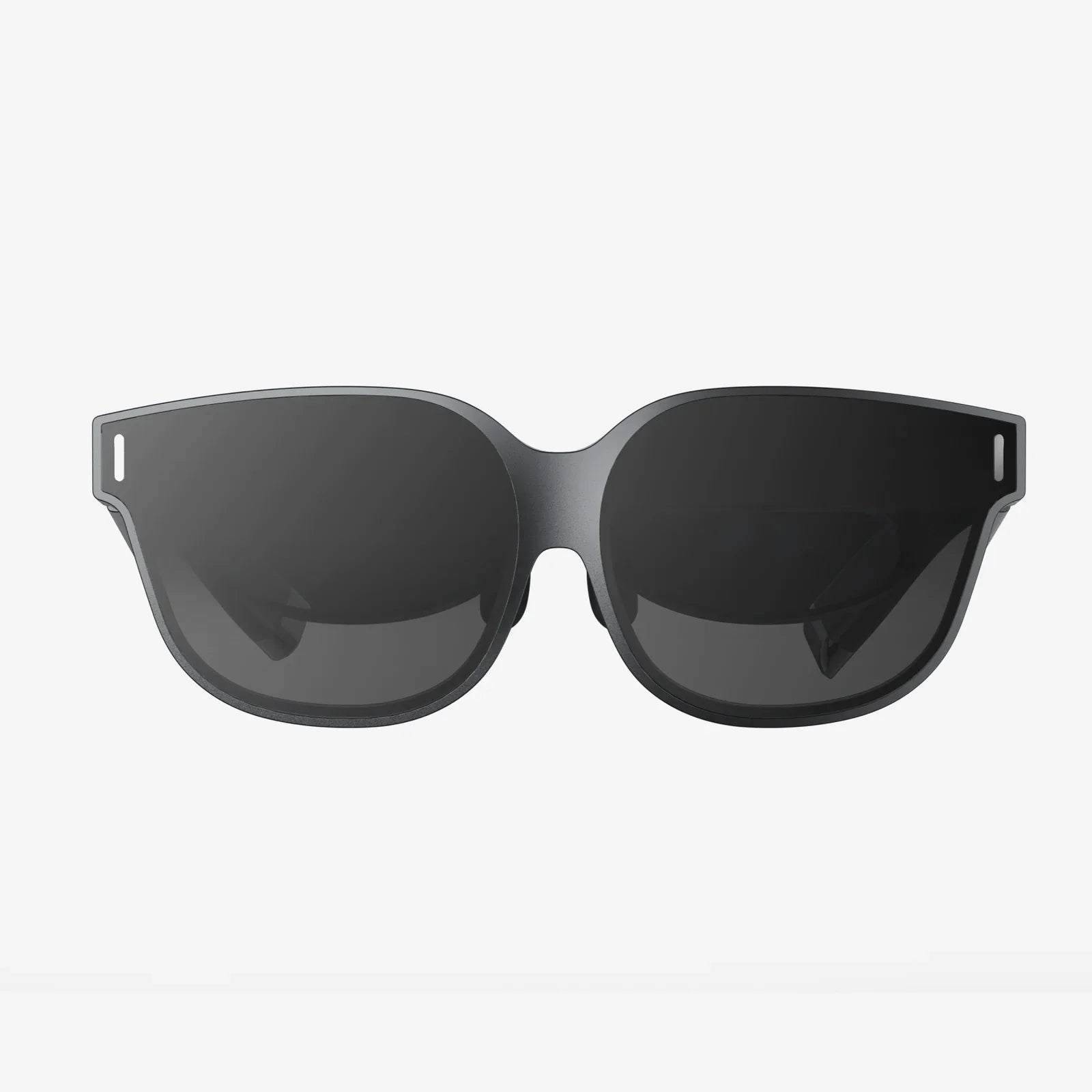
Ear wearables are becoming the auditory component of the broader augmented and mixed reality ecosystem. While AR glasses overlay visual information onto the world, ear wearables provide the sonic layer. This manifests in incredibly practical applications:
This hands-free, eyes-up interaction model makes technology less intrusive and more integrated into the flow of daily life.
The very intimacy that makes ear wearables so powerful also presents their greatest challenge: privacy. These devices are constantly collecting a vast trove of deeply personal data—conversations, location, health metrics, and even biometric patterns. This creates a significant responsibility for manufacturers and a real risk for users.
Robust encryption, on-device processing for sensitive functions, and transparent user consent frameworks are not optional features; they are the absolute bedrock upon which consumer trust and the long-term success of this category depend.
The trajectory of ear wearables points toward even deeper integration and intelligence. We are moving towards devices that are always on, always connected, and always learning—but in a way that prioritizes user benefit and privacy. Future developments will likely include:
We are standing at the precipice of a new paradigm in personal technology. The smartphone centralized our digital lives into a single slab of glass and metal that we must consciously interact with. The next wave, led by ear wearables, is about disintegration—distributing intelligence across our body and environment in a way that feels natural, effortless, and profoundly empowering. The age of staring down at a screen is giving way to the age of listening up to a smarter, healthier, and more connected world. The revolution won't be televised; it will be whispered directly into your ear.