


Imagine a world where your morning begins not with the jarring buzz of an alarm clock, but with a gentle, silent vibration on your wrist that senses you’ve entered the lightest phase of sleep. As you open your eyes, the window shades in your bedroom gradually lift, triggered by your wakefulness. The faint glow of your smart display—perhaps on a countertop, perhaps embedded in a mirror—already shows your schedule, the weather, and a notification that your morning coffee is brewed and waiting. You haven’t tapped a screen or uttered a command; the environment simply responded to you. This isn’t a scene from a distant future; it is a tangible, present-day example of wearable internet beginning to weave the digital and physical worlds into a single, seamless experience. The internet is ceasing to be a destination we visit and is instead becoming an ambient layer of intelligence that surrounds us, worn on our bodies and integrated into our lives.
Defining the Woven World: Beyond the Wrist
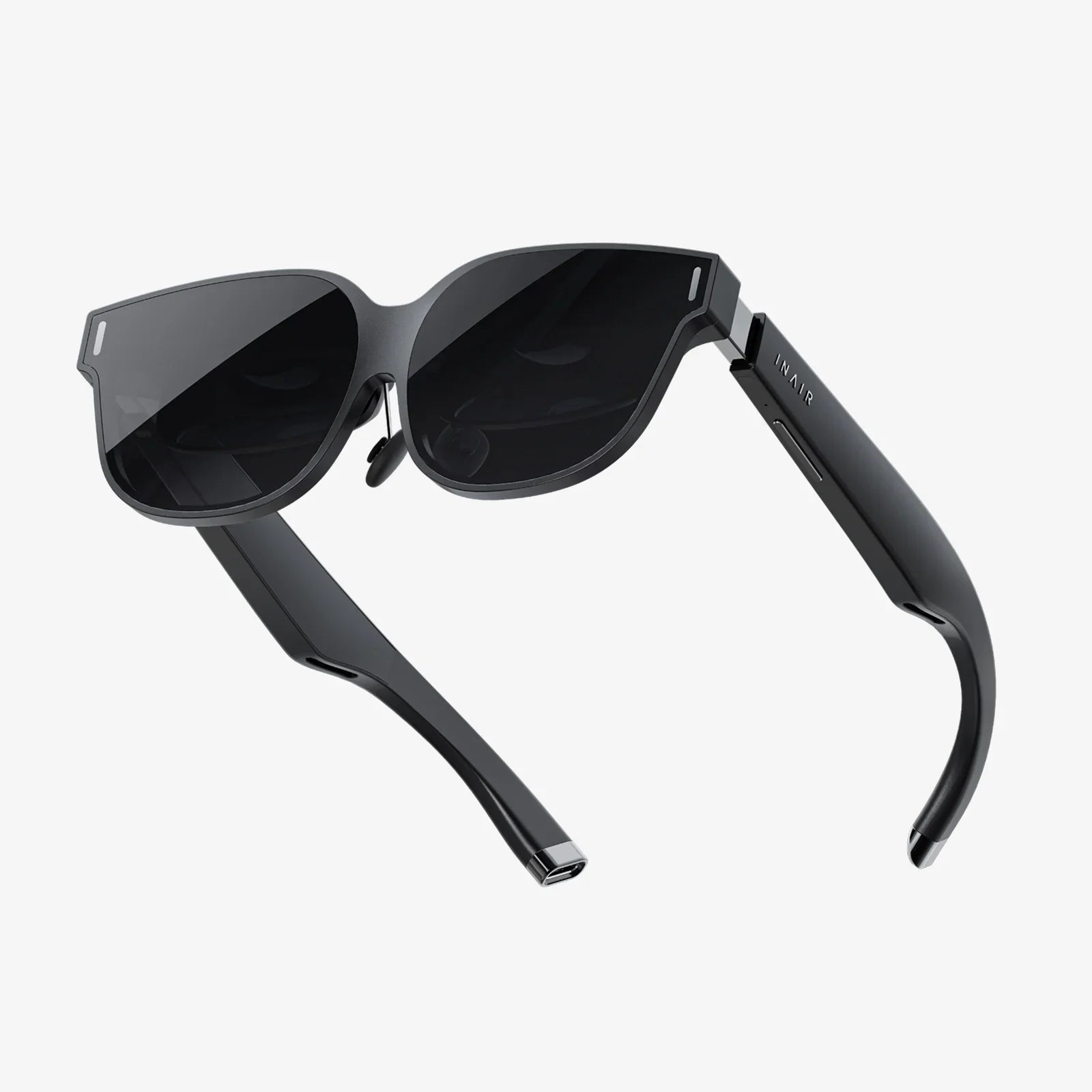
To understand the example of wearable internet, we must first move beyond the simplistic definition of a device that connects to Wi-Fi or Bluetooth. The wearable internet represents a paradigm shift: a network of intelligent, connected devices worn on the body that collect, process, and exchange data with other devices, networks, and platforms, often autonomously and in real-time. It’s an ecosystem, not a single gadget. The most common and recognizable entry point is the smartwatch or fitness tracker. These devices act as a hub on the body, monitoring our heart rate, counting our steps, and delivering notifications from our smartphones. But they are merely the tip of the iceberg. The true potential of this technology extends to smart glasses that overlay digital information onto our field of vision, smart rings that track sleep and activity with minimal intrusion, smart clothing with sensors woven directly into the fabric to monitor muscle activity and posture, and even hearables—advanced wireless earbuds that do far more than play music, offering real-time language translation and augmented audio experiences.
The Engine Room: Technologies Powering the Wearable Web
This seamless experience is powered by a sophisticated convergence of several key technologies. Miniaturization is fundamental; processors, sensors, and batteries have shrunk to a size where powerful computing can be housed in a device no larger than a button. Advances in sensor technology are equally critical. Accelerometers, gyroscopes, optical heart rate monitors, blood oxygen sensors, electrodermal activity sensors, and microphones are packed into these tiny form factors, acting as the digital senses that perceive our physical state and environment.
Connectivity is the nervous system of this ecosystem. While Bluetooth remains a staple for connecting to a nearby smartphone, low-power wide-area networks (LPWANs) like LTE-M and NB-IoT allow wearables to connect directly to the cloud independently, enabling truly untethered operation. Furthermore, the rollout of 5G networks promises ultra-reliable, low-latency communication, which is essential for mission-critical applications like remote patient monitoring or augmented reality assistance for field technicians.
Finally, none of this data would be meaningful without artificial intelligence and edge computing. AI algorithms, often running directly on the device itself (a concept known as on-device AI or edge AI), are what transform raw sensor data into actionable insights. They identify patterns, detect anomalies, and learn our personal behaviors to provide personalized feedback without needing to constantly phone home to a distant server, preserving battery life and user privacy.
Transforming Healthcare: The Proactive and Personalized Paradigm
Perhaps the most profound impact of the wearable internet is being felt in the healthcare sector. This technology is catalyzing a move away from reactive medicine—treating illness after it occurs—and towards proactive and personalized health management. Continuous, longitudinal data collected from wearables provides a rich, dynamic picture of an individual’s health that is impossible to capture in a brief annual check-up.
- Remote Patient Monitoring: Patients with chronic conditions like hypertension, arrhythmias, or diabetes can be monitored remotely through wearables. An electrocardiogram (ECG) app on a smartwatch can detect atrial fibrillation, while a continuous glucose monitor (CGM) worn on the arm transmits blood sugar levels to a patient’s and doctor’s smartphone in real time, alerting them to dangerous highs or lows.
- Early Detection and Prevention: By establishing a baseline for a user’s vital signs, algorithms can detect subtle deviations that may indicate the onset of illness. Irregular heart rhythm notifications or detecting a slight drop in blood oxygen levels during sleep (potentially indicating sleep apnea) are powerful example[s] of wearable internet enabling early intervention.
- Mental Health and Wellness: Wearables are now venturing into mental well-being. Devices can track physiological markers of stress, such as heart rate variability (HRV) and skin conductance, prompting users to take a moment for a breathing exercise or mindfulness session based on their body’s signals, not just a timed reminder.
Reshaping the Workplace: The Augmented Employee
Beyond healthcare, the wearable internet is augmenting human capability in industrial and enterprise settings. In warehouses, workers equipped with smart glasses can see digital picking lists and navigation instructions overlaid on their visual field, guiding them to items hands-free, which drastically improves efficiency and reduces errors. For field service engineers, AR-enabled glasses can stream a live video feed of a complex piece of machinery to a remote expert who can then annotate the engineer’s view with arrows and instructions, enabling complex repairs without the cost and delay of a specialist’s travel. These applications enhance safety, improve training, and boost productivity by delivering the right information at the right time, directly into the worker’s line of sight.
The Social and Experiential Layer: A New Digital Identity
The influence of wearables extends into our social lives and how we experience the world. Fitness trackers have created massive social networks where users compare activity levels, participate in challenges, and share achievements, turning solitary exercise into a connected community experience. At large events or museums, smart badges or AR apps on phones (and eventually glasses) can provide additional information about an exhibit or display personalized schedules and directions. Our devices are becoming an extension of our digital identity, capable of making payments, unlocking doors, and storing digital keys and tickets, effectively blending our physical and digital wallets into a single, worn device.
Navigating the Challenges: The Privacy and Ethical Labyrinth
This hyper-connected, data-rich future is not without its significant challenges. The most pressing concern is privacy and data security. Wearables collect an intimate portrait of our lives: where we go, how we sleep, our heart patterns, and even our emotional states. This biometric data is incredibly sensitive. The question of who owns this data, how it is used, and who it is shared with is paramount. There is a high risk of this data being used for purposes beyond the user’s original intent, such as targeted advertising, insurance premium calculations, or even employee monitoring. Robust cybersecurity is also non-negotiable; a breach of a wearable device’s data is a breach of a person’s very physiology.
Furthermore, the digital divide threatens to widen into a biological divide. If access to these health-augmenting technologies becomes a marker of socioeconomic status, it could exacerbate existing inequalities. There are also ethical dilemmas around constant connectivity and its impact on mental health. The pressure to optimize every aspect of our biological existence—to get a perfect sleep score, to close every activity ring—can lead to new forms of anxiety and a toxic relationship with self-quantification. Ensuring these technologies are designed with well-being, equity, and ethical principles at their core is the great challenge of the next decade.
The Road Ahead: Invisible, Intuitive, and Indispensable
The future trajectory of the wearable internet points towards even greater integration and invisibility. The next generation of devices will likely move from the wrist and the pocket to directly on the skin in the form of electronic tattoos, or even inside the body as implantable sensors. The concept of a “humane” or “ambient” interface will gain traction, where technology recedes into the background of our lives, responding to our needs through subtle cues and context-aware actions rather than demanding our constant attention through screens. Brain-computer interfaces, though in early stages, represent the ultimate frontier, potentially allowing us to control devices and communicate with sheer thought.
The true endgame of the example of wearable internet is not to create more distracting gadgets, but to create technology that understands human context and intent so profoundly that it acts as a silent partner in our lives. It will be the fabric of a world that anticipates our needs, enhances our capabilities, and safeguards our health, all while remaining unobtrusively in the periphery. The goal is a future where technology doesn’t compete for our attention but dedicates its intelligence to giving us back the most precious resource of all: our time and focus to engage fully with the physical world and the people around us.
The line between user and device is blurring, creating a new, hybrid existence. The next time you check your wrist for a notification or your heartbeat, remember you are not just looking at a gadget; you are glimpsing the early, pulsating nodes of a vast, intelligent network that is slowly, surely, becoming a part of you. The internet is putting itself on, and in doing so, it is redefining what it means to be human in a connected age.
Share:
First Smart Wearable Device: The Digital Revolution on Your Wrist
Near Eye Display OLED: The Invisible Revolution Reshaping Our Digital World