


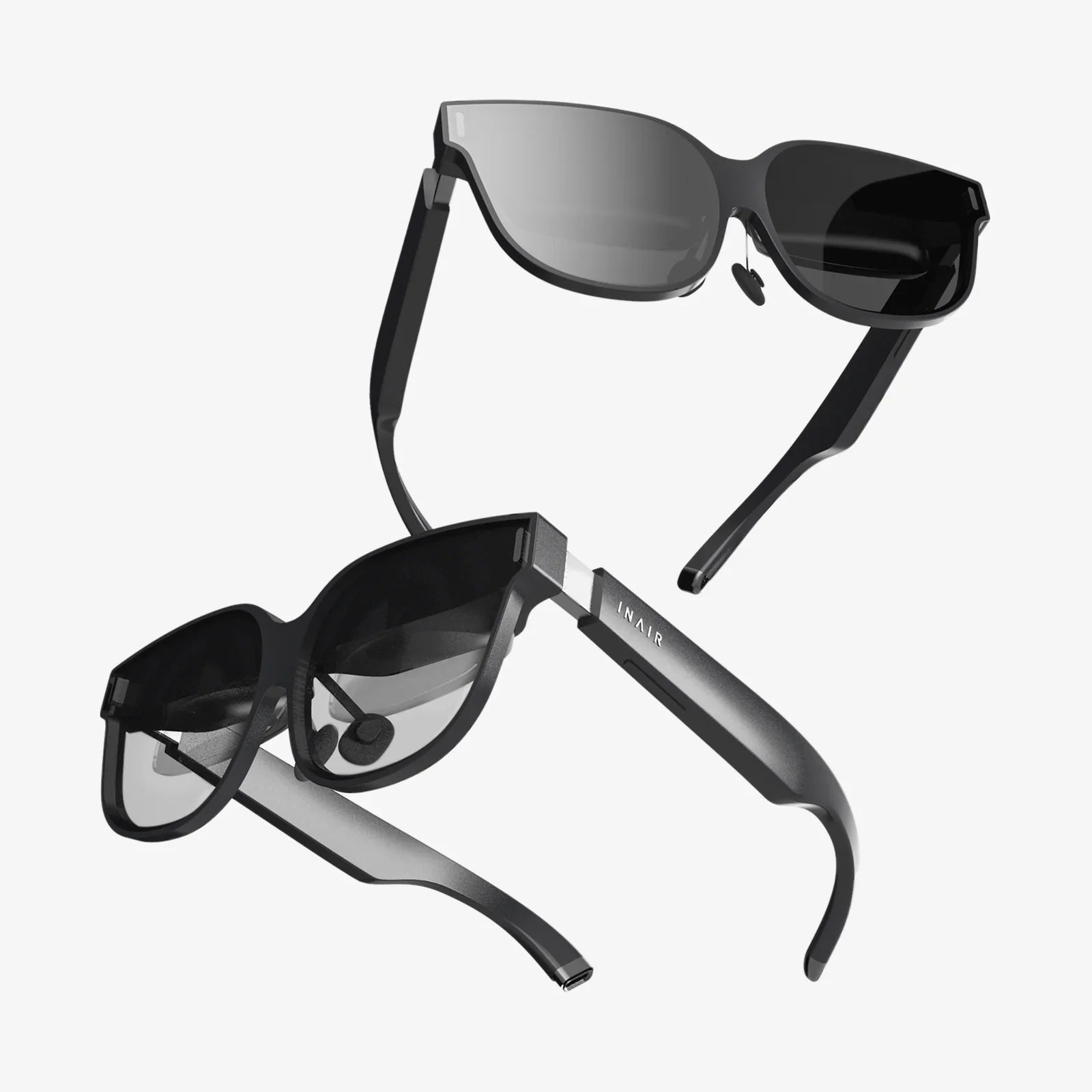
Imagine a world where the boundaries between the digital and the physical dissolve, where you can learn complex surgery, walk on Mars, or design a skyscraper from your living room. This is the promise of Extended Reality (XR), a technological revolution that is no longer a distant sci-fi fantasy but an unfolding reality. As this powerful technology rapidly integrates into our daily lives, from the way we work and learn to how we socialize and entertain ourselves, a critical question emerges: are we ready to navigate the intricate web of its transformative potential and its profound perils? The journey into the metaverse is not a simple binary of good versus evil; it is a complex landscape of breathtaking advantages and sobering disadvantages that demand our careful attention.
The Spectrum of Immersion: Defining the XR Universe
Before delving into its merits and drawbacks, it is essential to understand what constitutes Extended Reality. XR is not a single technology but an umbrella term encompassing a spectrum of immersive technologies.
Virtual Reality (VR) represents the most immersive end of the spectrum. By donning a headset, users are fully transported into a completely digital, computer-generated environment, effectively blocking out the physical world. This total immersion is what powers experiences like realistic flight simulators for pilots or deep-sea exploration for students.
Augmented Reality (AR) operates on the opposite end. Instead of replacing reality, AR overlays digital information—images, data, 3D models—onto the user's view of the real world through devices like smart glasses or smartphone cameras. Think of a mechanic seeing a digital overlay of engine parts with repair instructions or a furniture shopper visualizing how a new sofa would look in their actual living room.
Mixed Reality (MR) sits between VR and AR, blending the physical and digital worlds in a more interactive way. In MR, digital objects are not just overlaid but can interact with the real environment in real-time. A digital ball, for instance, could bounce off a physical table, or a virtual character could sit on your real couch, understanding the geometry of your space.
Together, these technologies form the XR continuum, each with its own unique applications, advantages, and associated challenges.
The Unparalleled Advantages: How XR is Reshaping Our World
The potential benefits of XR are vast and transformative, promising to revolutionize nearly every sector of human endeavor.
Revolutionizing Education and Training
Perhaps the most profound impact of XR is in the realm of learning. It moves education from passive absorption to active experience.
- Experiential Learning: Instead of reading about ancient Rome, history students can take a virtual walk through a meticulously reconstructed Roman Forum. Medical students can practice complex surgical procedures on virtual patients, making mistakes without any real-world consequences. This "learning by doing" approach dramatically improves knowledge retention and skill acquisition.
- Democratizing Access: XR can bridge geographical and socioeconomic gaps. A student in a remote village with limited resources can virtually visit the Louvre Museum in Paris or conduct advanced physics experiments in a virtual lab, experiences that would otherwise be impossible.
- Enhanced Skill Training: From training firefighters in dangerous blaze scenarios to preparing astronauts for spacewalks, XR provides a safe, controlled, and repeatable environment for mastering high-stakes skills.
Transforming Healthcare and Therapy
The healthcare industry is leveraging XR for both treatment and training with remarkable results.
- Surgical Planning and Visualization: Surgeons can use AR to visualize a patient's anatomy, such as CT scans or MRI data, overlaid directly onto the patient during an operation, improving precision and reducing risks.
- Pain Management and Rehabilitation: VR is being used as a powerful tool for distraction therapy, helping burn victims manage excruciating pain during wound care by immersing them in a calming virtual environment. It also aids physical rehabilitation by turning repetitive exercises into engaging games.
- Exposure Therapy for Mental Health: Therapists use controlled VR environments to help patients with phobias (like fear of heights or flying) or PTSD confront and manage their anxieties in a safe, gradual manner.
Redefining Remote Work and Collaboration
The future of work is being rewritten by XR, moving beyond flat video calls to truly collaborative spaces.
- The Immersive Office: Remote teams can meet in a shared virtual workspace, interacting with 3D models of products they are designing, writing on virtual whiteboards, and reading body language through avatars, fostering a sense of presence that video conferencing lacks.
- Design and Prototyping: Architects and engineers can walk clients through full-scale virtual models of buildings before a single brick is laid. Design flaws can be identified and corrected early, saving immense time and resources.
- Remote Assistance: An expert engineer located across the globe can see what a field technician sees through AR glasses and provide real-time visual annotations and guidance to repair complex machinery, reducing downtime and travel costs.
Unleashing New Frontiers in Entertainment and Retail
The consumer-facing applications of XR are creating entirely new forms of engagement.
- Deeply Immersive Storytelling: Films and games are no longer something you watch but something you inhabit. You become a character in a narrative, exploring stories from within and influencing their outcome.
- Live Events and Social Connection: Attending a live concert, a sporting event, or a family gathering as a realistic avatar can provide a sense of shared experience and community that transcends physical location.
- "Try Before You Buy": The retail experience is being transformed. Customers can use AR to see how clothes fit, how makeup looks on their skin, or how a new car's interior feels, leading to more confident purchasing decisions and reduced return rates.
The Sobering Disadvantages: Navigating the Risks of an Immersive World
For all its promise, the path of XR is fraught with significant challenges and potential dangers that society must proactively address.
Profound Privacy and Data Security Concerns
XR devices are arguably the most intimate data-harvesting tools ever created.
- Biometric Data Collection: Headsets with eye-tracking can monitor not just where you look, but for how long, your pupil dilation, and even your emotional responses. They can map your physical environment, your movements, and your unique biometric identifiers.
- Unprecedented Surveillance: This level of data collection creates unprecedented potential for surveillance, targeted manipulation, and data breaches. The concept of "brainprint"—a unique identifier based on neural patterns—becomes a frightening possibility.
- Informed Consent: Do users truly understand the depth of data they are surrendering? The current legal and regulatory frameworks are ill-equipped to handle the privacy implications of persistent, pervasive XR data collection.
Significant Health and Safety Implications
Prolonged immersion in synthetic environments carries tangible physical and psychological risks.
- Physical Effects: VR-induced nausea, known as cybersickness, is a common problem caused by a disconnect between visual motion and physical stillness. Eye strain, headaches, and disorientation are frequent complaints. There are also risks of physical injury from tripping over or hitting objects in the real world while immersed in the virtual one.
- Psychological Impact: The long-term psychological effects of living in blended realities are unknown. Could excessive use lead to dissociation, reality confusion, or social isolation? The potential for addiction to immersive virtual escapes is a serious concern, particularly for younger users.
- Social Isolation: While XR promises enhanced social connection, it could paradoxically lead to further withdrawal from physical, face-to-face human interaction, weakening real-world social bonds and empathy.
The Looming Threat of the Socioeconomic Divide
XR technology risks creating a new, profound digital divide.
- Cost of Entry: High-quality XR hardware and the powerful computing required to run it are expensive. This could create a world of XR "haves" and "have-nots," where access to the best education, jobs, and social experiences is gated by wealth.
- Reinforcement of Bias: If the digital worlds and algorithms are built by a homogenous group, they will inevitably encode and amplify existing societal biases related to race, gender, and ability, perpetuating inequality within the virtual sphere.
- Job Displacement: As with any automation technology, XR could render certain physical jobs and skills obsolete, necessitating large-scale workforce retraining and potentially exacerbating economic inequality.
Ethical and Existential Questions
XR forces us to confront deep philosophical questions about the nature of reality and human experience.
- Reality Blurring and Misinformation: As AR overlays become more sophisticated and pervasive, distinguishing digital constructs from physical reality will become increasingly difficult. This opens a terrifying frontier for misinformation, propaganda, and manipulated experiences.
- Identity and Agency: In a world where you can be anyone or anything, how is identity shaped? The potential for identity theft, deepfakes, and behavioral manipulation in XR is immense.
- The "Experience Economy" and Value: If we can simulate any experience perfectly, what value does the "authentic" original hold? Does a virtual visit to the Grand Canyon diminish the value of the real thing, or enhance it?
Charting a Responsible Path Forward
Navigating the future of XR requires a multi-stakeholder approach focused on responsible development and deployment. It is not a matter of stopping progress, but of guiding it wisely.
Robust Ethical Frameworks and Regulation: Policymakers, technologists, and ethicists must collaborate to establish clear guidelines for data privacy, content moderation, and user safety in immersive environments. Regulations like GDPR need to be expanded and adapted for the unique challenges of XR.
Prioritizing User-Centric Design: Development must focus on mitigating health risks like cybersickness, ensuring accessibility for people with disabilities, and building in privacy protections from the ground up (Privacy by Design).
Digital Literacy and Critical Thinking: Education systems must evolve to teach not just how to use XR tools, but how to critically evaluate digital content, understand data privacy, and maintain a healthy balance between virtual and physical lives.
Inclusive and Diverse Development: The teams building these new realities must be as diverse as the societies that will inhabit them. This is the best defense against building biased algorithms and exclusive virtual worlds.
The journey into extended reality is one of the most significant technological shifts of our time. Its advantages offer a breathtaking vision of enhanced human potential, boundless creativity, and solved problems. Yet, its disadvantages present a cautionary tale of unchecked surveillance, deepened inequality, and societal fragmentation. The shape of our blended future is not predetermined by the technology itself, but by the choices we make today. The ultimate challenge lies not in building the most immersive world, but in building one that is equitable, ethical, and enhances our humanity rather than diminishes it. The headset may be ready, but are we?
Share:
When Does the New VR Headset Come Out? A Deep Dive into the Next Generation of Virtual Reality
When Does the New VR Headset Come Out? A Deep Dive into the Next Generation of Virtual Reality