


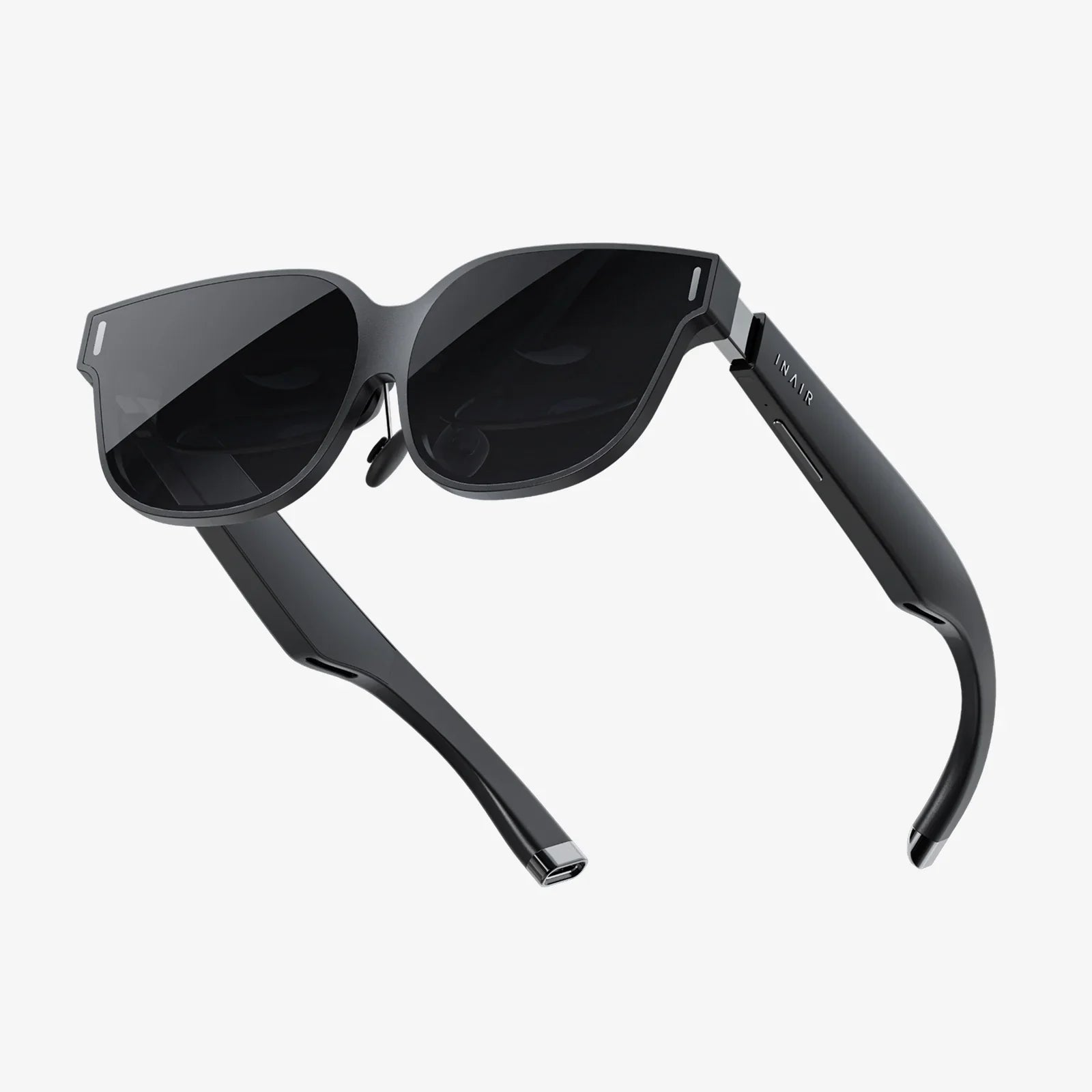
The digital horizon is shimmering with anticipation, a collective breath held in the tech world. Whispers of sleek designs, untethered power, and worlds within worlds have sparked a single, burning question on the lips of enthusiasts and professionals alike. The arrival of a new generation of virtual reality is not a matter of if, but when, and the implications are poised to redefine our relationship with technology itself. The chase for the ultimate immersive experience is on, and everyone wants to know: when will the next portal open?
The Rhythm of Technological Evolution
Predicting the launch of a major technological leap is less about pinpointing a specific day and more about understanding the complex dance of industry cycles, component availability, and strategic positioning. The VR market, while young, has begun to establish a recognizable rhythm.
Historically, significant iterations in consumer VR hardware have followed a development cycle of approximately two to three years. This period allows for meaningful advancements in core technologies—display resolution, field of view, processing power, and ergonomics—without the market becoming stale or iterations being too incremental. Furthermore, companies often aim for strategic release windows, typically aligning with major annual shopping periods like the holiday season to maximize impact and sales. Launching in the third or fourth quarter allows a product to capture the lucrative holiday market, making late summer and fall announcements a common trend.
Another critical factor is the ecosystem readiness. A headset is not just hardware; it's a gateway to a software library. Major releases are often coordinated with flagship software titles or platform updates designed to showcase the new capabilities. A launch without compelling content is a missed opportunity, so the development timelines of key games and applications are deeply intertwined with hardware release schedules. The announcement of a developer kit or a software development kit (SDK) is a telling precursor, often arriving six months to a year before a consumer product, signaling to creators that new hardware is on the final approach.
Decoding the Signals: What to Look For
While companies guard their launch dates fiercely, they inevitably leave a trail of breadcrumbs. The astute observer can piece together a likely timeline by monitoring specific events and announcements.
The first and most obvious signal is the official announcement or teaser from the developing companies themselves. This is often done at dedicated annual developer conferences or major industry trade shows. These events provide a global stage to generate maximum buzz and are calendared well in advance. A high-profile presentation dedicated to the future of VR is a near-guarantee of significant news.
Beyond the glitz of keynotes, regulatory certifications are a dead giveaway. Bodies like the Federal Communications Commission (FCC) in the United States or its equivalents in other regions must certify electronic devices to ensure they meet standards for safety and electromagnetic compatibility. These filings are almost always public and often include detailed photographs and manuals, revealing the final design and key specifications weeks or even months before an official launch. When a new, unidentified VR device appears in an FCC database, the countdown truly begins.
Supply chain whispers and manufacturing reports from renowned tech analysts also provide strong indicators. Increased production of specific high-resolution displays, specialized lenses, or custom chipsets can often be traced back to a major upcoming VR product. While not official, these reports have a strong track record of accurately predicting launch windows and even specific features.
The Feature Set: What Makes It "Next-Gen"?
The term "new VR headset" implies a fundamental leap beyond the current generation. It's not just a minor spec bump; it's a reimagining of the experience. Several key technologies are converging to make this possible.
Visual Fidelity: The Quest for the Perfect Pixel
The screen door effect—the visible grid between pixels that can shatter immersion—is the ancient enemy of VR. The next generation is finally banishing it. We are moving towards micro-OLED and mini-LED displays that offer not only dramatically higher resolutions (pushing beyond 4K per eye) but also superior contrast ratios, true blacks, and vibrant colors. This combination creates a visual clarity that begins to rival real life, crucial for both gaming and professional applications like CAD design or medical training. Paired with these displays are new pancake lenses, which are significantly thinner and lighter than the Fresnel lenses common today. They reduce god rays and glare, provide a sharper image across a wider area of the lens, and allow for a much more compact headset design.
The Untethered Dream: Power and Freedom
The ideal VR experience is one of complete freedom, unencumbered by wires trailing to a powerful computer. While standalone headsets exist, they have traditionally sacrificed graphical fidelity for mobility. The next generation is closing this gap through two avenues: radically more efficient and powerful mobile processors designed specifically for VR/AR workloads, and advanced streaming technologies like Wi-Fi 6E and 7. These wireless protocols offer the high bandwidth and low latency needed to stream a high-fidelity video signal from a nearby computer or cloud server to a lightweight headset, effectively offering the best of both worlds: pristine graphics and untethered freedom.
Intuitive Interaction: Beyond the Controller
While hand controllers are effective, the next frontier of interaction is natural and effortless. Advanced inside-out tracking systems are becoming so precise that they can track individual finger movements and gestures without the need for external sensors or even controllers. This allows for interfaces controlled by a simple pinch or a wave, making technology fade into the background. Furthermore, the integration of high-resolution color passthrough cameras is transforming standalone headsets into capable mixed reality (MR) devices. Users can see their physical environment in real-time, with digital objects anchored convincingly within it. This blurring of lines between the real and virtual opens up vast new possibilities for productivity, social connection, and entertainment.
The Competitive Landscape: Who is Driving Innovation?
The race to dominate the metaverse and spatial computing is fueling unprecedented investment and competition. This is no longer a niche market with one dominant player; it's a global arena where tech giants and ambitious startups are all vying for position.
The landscape is broadly divided between companies focused on the high-end, PC-connected experience and those championing the accessible, all-in-one standalone model. However, this line is rapidly blurring. The former is pushing the absolute limits of visual fidelity and performance, often targeting professional and hardcore enthusiast markets. The latter is focused on making VR a truly mainstream consumer product, prioritizing affordability, ease of use, and a robust ecosystem of social and casual experiences. This competition is the primary engine for innovation, with each camp forcing the other to evolve faster, ultimately benefiting the consumer with better choices and accelerated technological progress.
Preparing for the Launch
Knowing a launch is imminent is one thing; being ready for it is another. For those eager to be first in the virtual queue, preparation is key.
First, set up alerts. Follow the official social media channels and blogs of the major players in the VR space. Enable notifications for breaking news. Subscribe to newsletters from reputable tech journalists and analysts who specialize in virtual and augmented reality. They often have early insights and can parse rumors from credible information.
Second, consider your ecosystem. Are you invested in a particular platform's library of games and apps? If so, staying within that ecosystem might be advantageous for compatibility. If you're looking to build a high-end setup, ensure your computer has the necessary graphics power and connectivity options, like a compatible USB-C port or a robust Wi-Fi 6/6E router for wireless play.
Finally, manage your budget and expectations. Cutting-edge technology commands a premium price at launch. Be prepared for potential pre-order scrambles and limited initial stock. The most patient early adopters are often the most rewarded, as initial production kinks are ironed out and the software library has time to expand after the initial launch window.
The faint hum of a cooling fan, the weightless feel of a perfectly balanced headset, and the breathtaking moment you step into a world that feels as real as our own—this is the promise that lies just beyond the horizon. The precise date on the calendar remains a closely guarded secret, but the tectonic plates of the industry are shifting, and the rumble is growing louder. The next great leap into virtual realms is not just coming; it's already on its way, and it will redefine everything we thought was possible.
Share:
Extended Reality Advantages and Disadvantages: A Deep Dive into Our Digital Future
Extended Reality Advantages and Disadvantages: A Deep Dive into Our Digital Future