


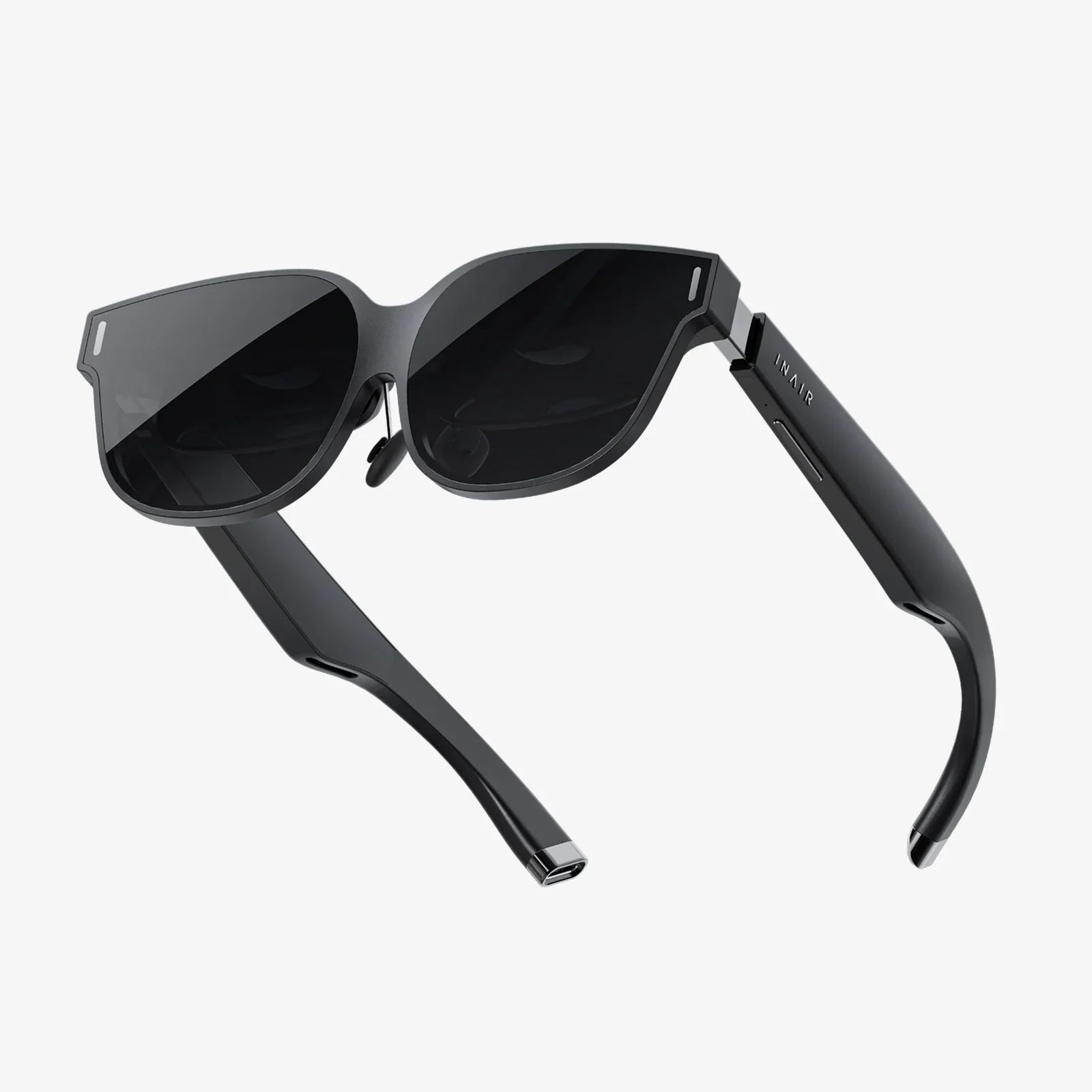
Imagine a world where your customers can step inside your brand story, try on products from their living room, or experience a service before it even exists. This is no longer the realm of science fiction; it's the powerful, present-day reality of marketing, powered by the seismic shift of Extended Reality. The most forward-thinking brands are already leveraging this technological tsunami to forge deeper connections, shatter engagement metrics, and create value in ways previously unimaginable. This isn't just another channel; it's the dawn of a new dimension in customer interaction, and those who hesitate risk being left in a flat, two-dimensional past.
Demystifying the Extended Universe: More Than Just a Buzzword
Before diving into the strategic applications, it's crucial to understand what constitutes the ecosystem of Extended Reality. Often used as an umbrella term, XR encompasses a spectrum of immersive technologies that blend the physical and virtual worlds.
- Virtual Reality (VR): This technology fully immerses users in a completely digital environment, typically accessed through a headset. VR effectively shuts out the physical world, transporting the user to a computer-generated reality. In marketing, this is the tool for ultimate escapism and deep, narrative immersion.
- Augmented Reality (AR): Unlike VR, AR overlays digital information—images, text, 3D models—onto the user's real-world view through a smartphone camera or smart glasses. It enhances reality rather than replacing it. This is the most accessible form of XR, requiring only a mobile device, making it ideal for mass-market campaigns.
- Mixed Reality (MR): Sitting on the spectrum between AR and VR, MR is where digital and physical objects co-exist and interact in real-time. Imagine a digital character that can hide behind your real sofa or a virtual engine model you can disassemble on your actual desk. MR represents the cutting edge, offering incredibly sophisticated interactive experiences.
Understanding this spectrum is the first step for any marketer. The choice between VR, AR, and MR depends entirely on the campaign goals, target audience, and budget.
The Strategic Imperative: Why XR is a Marketing Game-Changer
The adoption of Extended Reality in marketing is not about chasing a trend; it's a strategic response to evolving consumer expectations and market saturation. In a digital landscape cluttered with static ads and fleeting social media content, XR offers a powerful antidote: memorable, high-value experiences.
Consumers, especially younger demographics, increasingly crave experiences over possessions. They value engagement, personalization, and authenticity. XR delivers on all fronts by transforming passive observers into active participants. It generates not just impressions, but emotions. This emotional resonance is the holy grail of brand building, fostering loyalty and advocacy that traditional advertising struggles to achieve.
Furthermore, XR provides unparalleled data and insights. Marketers can track user interactions within an experience—what objects they picked up, how long they engaged, what paths they took. This behavioral data is a goldmine for understanding consumer preferences and refining product offerings and messaging with a precision never before possible.
Transforming the Customer Journey: From Awareness to Advocacy
The true power of Extended Reality lies in its ability to enhance every single stage of the customer journey, creating a seamless and engaging funnel from top to bottom.
1. Awareness and Discovery: Stopping the Scroll
In the attention economy, the first challenge is to be noticed. An AR filter on a social platform or an interactive VR preview embedded in a digital ad doesn't just ask for attention; it commands it. It disrupts the monotonous scroll with an invitation to play and explore. A furniture brand can let users see how a new sofa looks in their actual space, and a cosmetic company can offer virtual try-ons. This moves the brand from being seen to being experienced at the very first touchpoint.
2. Consideration and Evaluation: The Ultimate Try-Before-You-Buy
This is where XR truly shines, effectively demolishing the key barrier to online sales: uncertainty. How will these sunglasses look on my face? Will this paint color work in my kitchen? Is this car's interior spacious enough? Extended Reality answers these questions definitively.
Virtual try-ons for apparel, accessories, and cosmetics have become increasingly sophisticated, drastically reducing return rates and increasing consumer confidence. For high-consideration purchases like a car or a holiday, a VR test drive or a 360-degree tour of a hotel room provides a depth of information that a thousand high-resolution photos cannot match. This builds trust and significantly de-risks the purchase decision for the consumer.
3. Purchase and Conversion: Reducing Friction, Increasing Confidence
By integrating XR experiences directly into e-commerce platforms, the path from discovery to purchase becomes incredibly short. The "Add to Cart" button can exist within the AR try-on experience itself. When a customer is confident in their virtual choice, they are far more likely to convert immediately, reducing cart abandonment and driving sales. The experience itself becomes the primary sales agent.
4. Post-Purchase and Advocacy: Building a Community
The relationship doesn't end at the sale. XR can be used to enhance unboxing experiences with AR triggers on packaging that launch tutorials, brand stories, or interactive manuals. This creates a "wow" moment that customers are eager to share on their own social channels, generating powerful organic word-of-mouth marketing. Furthermore, brands can create persistent virtual spaces or worlds where loyal customers can gather, attend virtual launch events, and connect with each other, fostering a strong sense of community and brand allegiance.
Pioneering Campaigns and Use Cases Across Industries
The application of Extended Reality is not confined to one sector. Its versatility allows for innovative campaigns across the board.
- Retail and E-commerce: Virtual fitting rooms, furniture placement in your home, virtual stores that users can browse in VR.
- Automotive: Virtual showrooms, immersive configurators that let customers build their dream car inside and out, VR test drives in exotic locations.
- Real Estate and Tourism: Virtual property tours allowing potential buyers to walk through a home from anywhere in the world. Virtual hotel and destination experiences to preview a vacation.
- Education and Training: While not direct marketing, using XR to train sales staff or demonstrate complex B2B products in an immersive way enhances their ability to market effectively.
Navigating the Challenges and Considerations
Despite its potential, implementing an XR strategy is not without its hurdles.
- Accessibility and Tech Barriers: While AR is widely accessible via smartphones, high-end VR requires hardware that is not yet ubiquitous. Marketers must design for their audience's available technology.
- Cost of Development: Creating high-quality, immersive experiences can be resource-intensive. However, the cost of development is decreasing, and the ROI in terms of engagement and conversion can justify the investment.
- Content is King (More Than Ever): A poorly executed, gimmicky XR experience can do more harm than good. The experience must be intuitive, valuable, and seamlessly integrated with the brand message. It must solve a problem or provide genuine entertainment.
- Privacy and Data Ethics: Using AR often requires access to a user's camera and location data. Transparency about data usage and robust security measures are non-negotiable to maintain consumer trust.
The Future is Already Here: What's Next for XR and Marketing?
We are standing on the brink of the next evolution of the internet: the spatial web or metaverse. This persistent, shared network of 3D virtual spaces will be accessed through XR and will fundamentally redefine what a brand presence means. Virtual stores will operate 24/7, staffed by AI avatars or real people. Product launches will be global immersive events. Branded virtual goods will become significant revenue streams.
The convergence of XR with other technologies like Artificial Intelligence and 5G will supercharge these possibilities, enabling hyper-realistic visuals, complex interactions, and seamless streaming of vast amounts of data in real-time. Marketing will become less about broadcasting a message and more about designing and managing compelling virtual experiences and worlds.
The line between the digital and physical is blurring irrevocably. The brands that will thrive are those that stop thinking about marketing in terms of campaigns and start thinking in terms of worlds, experiences, and dimensions. They will be the architects of new realities, building deep, emotional, and lasting relationships with consumers who are no longer just audiences, but active citizens of their brand's universe. The question is no longer if you should explore Extended Reality in marketing, but how quickly you can afford to build your bridge to this new dimension of customer connection.
Share:
Good Headphones for People with Glasses: A Complete Guide to Pain-Free Audio
Standalone VR Headset: The Ultimate Guide to Untethered Virtual Reality