


- by wangfred
Extended Reality (XR) Environments Are Reshaping Our World
- by wangfred
Imagine a world where the boundaries between the physical and the digital dissolve, where you can train for complex surgery on a virtual patient, collaborate with colleagues as lifelike holograms from across the globe, or walk through the unbuilt halls of a future skyscraper. This is not a distant science fiction fantasy; it is the rapidly emerging reality being built today through Extended Reality (XR) environments. This technological paradigm shift promises to fundamentally alter how we work, learn, connect, and interact with information, heralding the next great computing platform.
Before delving into the profound implications of XR, it is crucial to understand its composition. Extended Reality is not a single technology but an umbrella term encompassing a spectrum of immersive technologies that blend the real and virtual worlds to varying degrees.
At one end of the spectrum lies Virtual Reality (VR). VR environments are fully digital, computer-generated simulations that completely replace the user's physical surroundings. By wearing a head-mounted display that covers the entire field of vision, users are transported into a convincing, interactive digital world. This immersion is typically enhanced with spatial audio and motion-tracking controllers, allowing users to navigate and manipulate the virtual environment as if they were truly there. VR is the technology of choice for applications requiring total sensory isolation, such as deep-space astronaut training simulations or highly detailed architectural walkthroughs.
On the opposite end of the spectrum is Augmented Reality (AR). Unlike VR, AR does not replace the real world but instead superimposes digital information—images, data, 3D models, and animations—onto the user's view of their physical environment. This is often achieved through transparent glasses or, more commonly, through the screens of smartphones and tablets. A classic example is using a mobile device to see how a new piece of furniture would look in your living room before purchasing it. AR enhances our perception of reality by adding a contextual, digital layer, making it ideal for real-time information display, navigation, and interactive marketing.
Occupying the nuanced middle ground between VR and AR is Mixed Reality (MR). MR is perhaps the most advanced and complex form of XR, as it involves not just overlaying digital content but anchoring it to and having it interact with the real world in real-time. In a true MR experience, a virtual object can be occluded by a real-world physical desk, or a digital character can sit convincingly on your actual sofa. This requires sophisticated sensors and cameras to continuously map and understand the geometry and lighting of the physical space. MR represents the pinnacle of blending realities, creating environments where physical and digital objects co-exist and interact seamlessly.
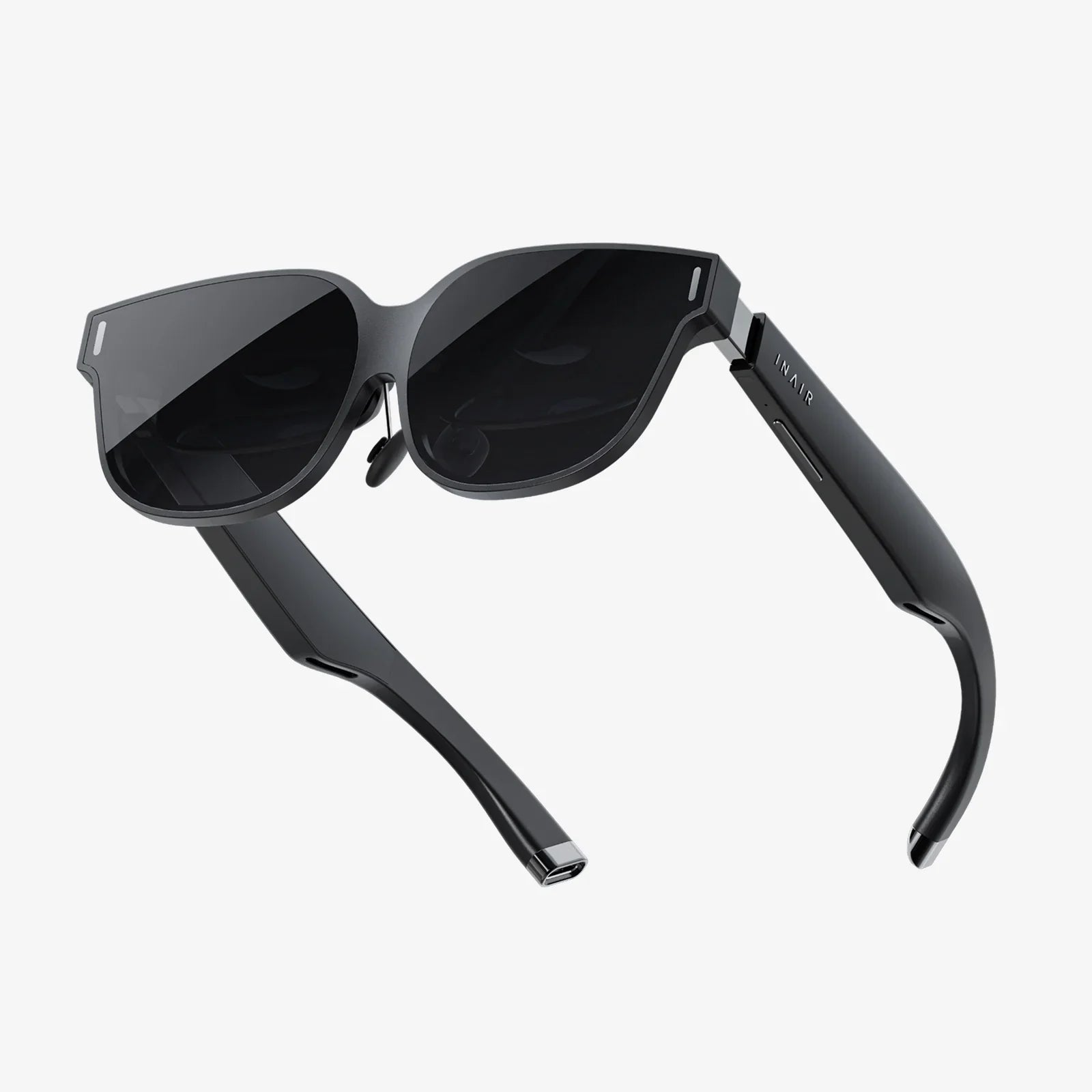
The creation of convincing and functional extended reality environments relies on a sophisticated stack of interconnected technologies. The most visible component is the hardware: the headsets, glasses, and haptic feedback devices that serve as our portals into these new worlds. These devices are packed with high-resolution displays, precise motion sensors (IMUs), and outward-facing cameras for tracking and mapping.
Beyond the hardware, the software is the true lifeblood of XR. Powerful game engines are used to render stunning, real-time 3D graphics. Simultaneous Localization and Mapping (SLAM) algorithms are the unsung heroes, allowing a device to understand its position in space while simultaneously creating a 3D map of its surroundings. This is essential for placing digital objects persistently in the real world for AR and MR applications.
Furthermore, the rise of cloud computing and 5G connectivity is solving one of XR's biggest constraints: processing power. By offloading heavy computation to the cloud, XR devices can become lighter, more affordable, and have longer battery life, all while delivering incredibly rich and complex experiences. Finally, artificial intelligence and machine learning are being integrated to make these environments smarter—enabling advanced gesture recognition, realistic avatar behavior, and intelligent contextual understanding.
The potential of extended reality environments extends far beyond gaming and entertainment. They are already delivering tangible value and revolutionizing processes across a multitude of sectors.
In healthcare, XR is a powerful tool for both treatment and training. Medical students can practice intricate surgical procedures on virtual patients, gaining valuable muscle memory and experience without any risk. Surgeons are using AR to overlay critical information, such as a patient's vitals or 3D scans of their anatomy, directly onto their field of view during operations, improving precision and outcomes. XR is also being used for phobia treatment through controlled exposure therapy, for physical rehabilitation with engaging exercises, and to combat social isolation among elderly patients by connecting them to loved ones in virtual spaces.
The enterprise sector is perhaps the largest adopter of XR technology. In manufacturing and engineering, technicians wearing AR glasses can see step-by-step repair instructions overlaid on the machinery they are fixing, drastically reducing errors and training time. Designers and architects use VR to create and collaborate on life-size 3D models of products and buildings, identifying design flaws long before physical prototypes are built. Remote experts can see what a field worker sees and provide guidance from thousands of miles away, annotating the real world with digital arrows and notes, saving immense time and travel costs.
XR offers an unparalleled medium for experiential learning. Instead of reading about ancient Rome, students can take a virtual field trip and walk its streets. Instead of watching a safety video, factory workers can experience a virtual simulation of a hazardous scenario and learn how to react safely. This "learning by doing" approach significantly improves knowledge retention and engagement. Corporations are deploying VR for soft skills training, placing employees in challenging conversational simulations with virtual humans to practice everything from sales pitches to performance reviews.
The retail experience is being transformed by AR, allowing customers to "try on" clothes, visualize products in their homes, and access additional information simply by pointing their phone. Virtual showrooms eliminate the need for physical inventory, allowing for endless customization. Furthermore, XR is poised to become the ultimate tool for remote collaboration. Teams distributed across the globe can meet in a shared virtual workspace, interacting with 3D data models, brainstorming on virtual whiteboards, and feeling a sense of co-presence that flat video calls cannot provide, fostering a new era of connected and productive work.
Despite its immense promise, the widespread adoption of extended reality environments is not without significant challenges and ethical dilemmas that society must confront.
Privacy and Data Security: XR devices, by their very nature, are data collection powerhouses. They have the potential to continuously capture incredibly intimate data: eye-tracking, biometric responses, detailed 3D maps of our homes and offices, and recordings of our interactions. This creates a profound privacy risk. Who owns this data? How is it stored and used? Robust regulations and transparent data policies are urgently needed to prevent misuse and build user trust.
User Safety and Well-being: Prolonged use of immersive technology can lead to physical side effects like eyestrain, headaches, and simulation sickness (cybersickness). There are also concerns about the psychological impact. Spending significant time in virtual worlds could lead to social isolation, dissociation from physical reality, or the blurring of lines between virtual and real experiences. Establishing healthy usage guidelines and designing for user well-being is paramount.
The Digital Divide and Accessibility: High-quality XR hardware and the powerful computing required to run it remain expensive. There is a real risk of creating a new digital divide, where access to these transformative experiences and the economic opportunities they bring is limited to a privileged few. Furthermore, developers must prioritize accessibility from the outset, ensuring XR environments are usable by people with a wide range of physical and cognitive abilities.
Identity and Reality: As avatars become more realistic and interactions more nuanced, questions of identity, representation, and authenticity arise. The potential for hyper-realistic deepfakes and misinformation within XR is a terrifying prospect. Societies will need to develop new literacies to critically evaluate digital experiences and establish norms for behavior and identity verification in these blended spaces.
The trajectory of XR is moving toward increasingly seamless, intuitive, and powerful experiences. We are progressing toward lightweight, socially acceptable glasses that will eventually replace smartphones as our primary interface with computing. The concept of the "spatial web" or "metaverse"—a persistent, shared, and interconnected network of XR experiences—is gaining traction, promising a future where our digital and physical lives are inextricably linked.
Breakthroughs in haptic technology will allow us to not just see and hear digital objects, but to feel them. Brain-computer interfaces are being explored as a ultimate input method, allowing for control through thought alone. AI will continue to evolve, generating dynamic and responsive environments that adapt to users in real-time. The convergence of XR with other exponential technologies like IoT and blockchain will create ecosystems of smart, connected, and user-owned digital assets and spaces.
The journey ahead is as exciting as it is uncertain. Extended Reality is not merely a new type of screen; it is a fundamental shift in the human-computer interface. It represents a new canvas for human creativity, a new tool for solving complex problems, and a new medium for connection. The challenge and opportunity before us is to guide its development thoughtfully, ensuring that the extended realities we build are not only technologically advanced but also inclusive, ethical, and ultimately, human-centric.
The line between what is real and what is digitally rendered is blurring faster than most of us can comprehend, and this convergence is poised to unlock possibilities we have only begun to imagine, forever changing the fabric of our daily existence.
Share:
What Is Inside a VR Headset - The Intricate Technology Powering Virtual Worlds
What Is The Best VR Headset Out Right Now - A 2024 Buyer's Guide