


- by wangfred
What Is Inside a VR Headset - The Intricate Technology Powering Virtual Worlds
- by wangfred
You slip it over your eyes and suddenly you're standing on the edge of a skyscraper, exploring an alien planet, or facing down a dragon. The world around you dissolves into pure possibility. But have you ever stopped mid-adventure, with your heart still pounding, to wonder what kind of technological magic is packed into the device on your face? The journey from a simple plastic shell to a portal into another dimension is one of the most fascinating stories in modern technology, and it all happens thanks to an incredibly sophisticated interior world working in perfect harmony.
At the absolute core of every VR headset lies its computational engine. This is the command center, the brain that breathes life into the virtual experience. In standalone, all-in-one devices, this is a complete System-on-a-Chip (SoC), a marvel of miniaturization that packs a central processing unit (CPU), a graphics processing unit (GPU), memory, and various other controllers onto a single, tiny silicon die. This powerhouse is responsible for the monumental task of running complex software, rendering high-resolution 3D environments at blistering speeds, and managing all the data from the headset's myriad sensors, all while managing power consumption and heat dissipation in a space not much larger than a postage stamp.
For PC-connected headsets, this processing is largely offloaded to an external computer, but the headset itself still contains a dedicated processing unit. This internal chip acts as a sophisticated traffic cop, handling critical tasks like distortion correction for the lenses, compensating for chromatic aberration, managing the display synchronization, and processing the sensor data for precise, low-latency positional tracking. Without this onboard brain, the lag between your movement and the screen's response would be intolerable, instantly shattering the illusion of presence and likely inducing motion sickness.
If the processor is the brain, then the displays and lenses are the eyes of the headset. This duo works in tandem to literally create your new reality. Inside the housing, you will find either one large display split for each eye or, more commonly, two dedicated high-resolution screens—one for each eye. These are typically Fast Switch LCDs or OLED panels prized for their deep blacks and rapid pixel response times, which are crucial for reducing motion blur in fast-paced virtual scenes.
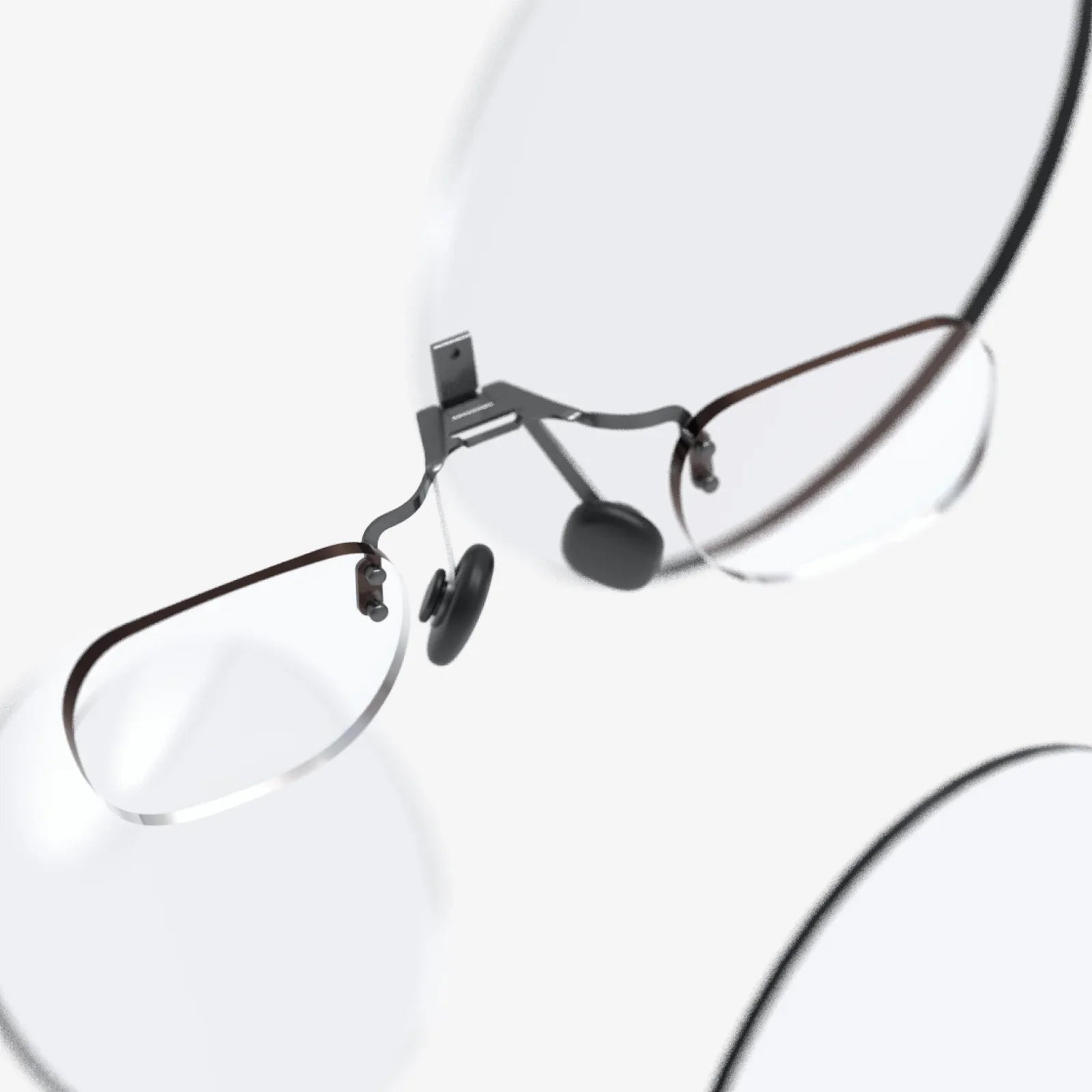
The raw image from these displays, however, is not what you see. If you looked at it directly, it would appear distorted and unconvincing. This is where the custom optical lens system comes into play. Positioned between the screens and your eyes, these specialized lenses—usually Fresnel lenses for their light weight and complex curvature—refocus and reshape the image. They make the screen appear to be at a comfortable distance, filling your entire field of view and creating a sense of scale and depth. They are the key to transforming a flat, distorted image into a vast, believable 3D world. The precise shape and calibration of these lenses are what differentiates a good VR experience from a great one, and they require meticulous engineering to minimize visual artifacts like god rays (scattering of light around bright objects).
For the virtual world to feel solid and responsive, the headset must know not only where you are looking but exactly where it is located in physical space and how it is moving. This is achieved through an intricate array of sensors that act as the headset's vestibular system, its sense of balance and orientation.
Sound is half the experience of presence. A creaking floorboard behind you, the whisper of an ally to your left, the roar of a spaceship overhead—spatial, or 3D, audio sells the illusion that sounds are emanating from specific points in the virtual world, not just from speakers on your head. Inside many headsets, you'll find integrated, near-ear headphones or directional speakers. These are carefully tuned to deliver binaural audio, which uses subtle differences in timing, volume, and frequency between your two ears to trick your brain into perceiving a sound's location in 3D space. This acoustic technology is as critical as the visual display for selling the reality of the simulation.
Holding everything together and keeping it running is a network of supporting components. A high-density battery pack is essential for standalone units, strategically placed to balance the weight of the headset for comfort. This power is carefully managed and distributed to the power-hungry displays and processor.
All that processing generates significant heat. To prevent thermal throttling (where the processor slows down to avoid overheating) and user discomfort, passive cooling systems like heat sinks and heat pipes are used to draw warmth away from critical components and dissipate it safely. In some designs, a small, quiet fan provides active cooling to move air through the tightly packed interior.
Finally, a suite of connectivity options ties it all together. For standalone headsets, this includes Wi-Fi and Bluetooth radios. For PC-tethered headsets, a single high-bandwidth cable carries display data, sensor data, and power, often using standards like DisplayPort and USB. Inside, a complex web of flexible printed circuits (FPCs) connects the motherboards to the displays, sensors, and controllers, ensuring data flows seamlessly between every component.
While not electronic components, the internal design for comfort is paramount. This includes a complex system of straps and counterweights to distribute the device's mass evenly across your head and face. The most critical part is the facial interface—the soft, often removable foam or silicone gasket that seals against your face. This interface blocks out external light, provides a comfortable cushion, and is designed with hygiene in mind. Furthermore, the physical mechanism for interpupillary distance (IPD) adjustment is inside, allowing you to physically shift the lenses and screens closer or further apart to match the distance between your pupils, ensuring a clear and comfortable image.
Peeling back the plastic shell of a VR headset reveals not just a collection of parts, but a meticulously orchestrated ecosystem. Every component, from the powerful SoC to the humble heat sink, plays a vital role in building a world from scratch and convincing your senses that it is real. It is a breathtaking feat of optical engineering, sensor fusion, and computational power, all condensed into a wearable form factor. This hidden interior is the true gateway, and its continuous evolution is pushing us closer than ever to the dream of perfect virtual presence.
The next time you step into a virtual arena or explore a digital landscape, remember the miniature universe of technology working tirelessly behind the scenes. This intricate dance of silicon, glass, and sensors is what transforms simple code into an experience that can thrill, terrify, and inspire—proving that the most incredible worlds are often found not in the distance, but right in front of our eyes.
Share:
VR Headset Comparison Table: Your Ultimate Guide to Picking the Perfect Headset
Extended Reality (XR) Environments Are Reshaping Our World