


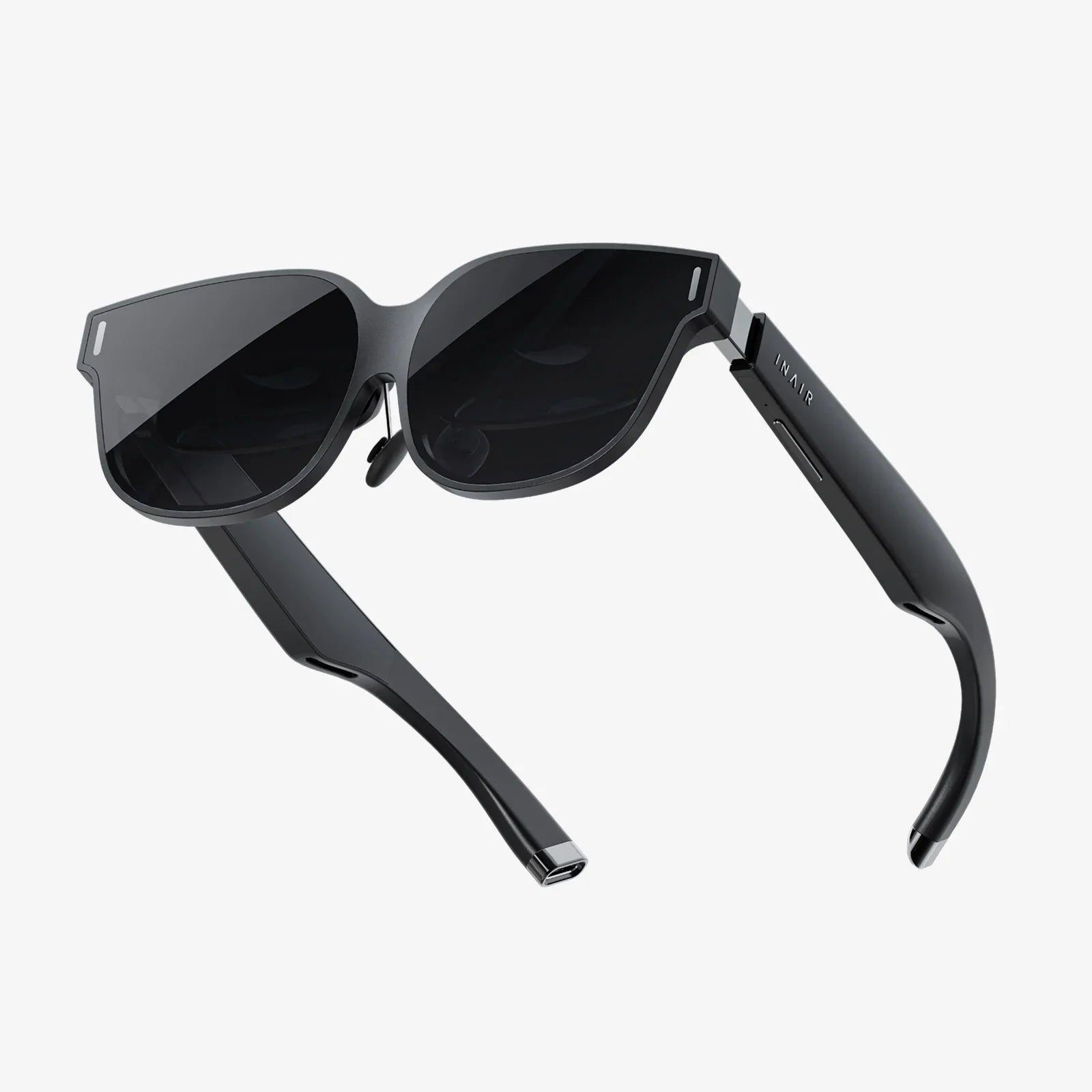
Imagine standing before a full-length mirror, turning your head from side to side, admiring how a new pair of frames complements your face shape, all without ever having stepped foot inside a store or even touched a physical product. This is no longer a scene from a science fiction film; it is the reality for millions of consumers today, thanks to the revolutionary advent of the eye glasses virtual mirror. This technology has not just incrementally improved the online shopping experience; it has fundamentally rewritten the rules of engagement for an entire industry, transforming a traditionally hands-on, in-person process into a seamless, intuitive, and surprisingly accurate digital journey.
The Genesis of a Digital Reflection
The journey to the modern virtual mirror began not with glamour, but with necessity. For decades, the process of buying eyewear was largely unchanged: a customer would visit an optician, try on dozens of pairs, seek opinions from a friend or salesperson, and hope they made the right choice. The rise of e-commerce presented a daunting challenge for the eyewear sector. How could consumers be convinced to purchase such a personal, fit-dependent item online without the ability to try it on? Early attempts involved simple photo uploads and static overlays of product images, which were often misaligned, poorly scaled, and failed to convey a realistic sense of depth, proportion, or style. They were a novelty, not a solution.
The breakthrough came with the convergence of several advanced technologies. The proliferation of high-resolution front-facing cameras on smartphones and tablets provided the hardware foundation. Simultaneously, sophisticated facial mapping algorithms, driven by advancements in artificial intelligence and machine learning, became powerful enough to accurately identify and track key facial landmarks—the pupils, the bridge of the nose, the temples, and the curve of the ears. This enabled software to create a precise 3D model of a user's face, a digital double upon which any frame could be projected.
How the Digital Magic Works
At its core, an eye glasses virtual mirror is a sophisticated piece of software that leverages augmented reality (AR). The process is elegant in its execution:
- Facial Detection and Mapping: Using your device's camera, the technology instantly detects a human face. Advanced algorithms then plot a complex mesh of points across your facial features, creating a unique depth map. This isn't just a 2D picture; it understands the contours of your nose, the width of your forehead, and the height of your cheekbones.
- 3D Frame Rendering: Meanwhile, eyewear designers and retailers have created detailed 3D models of their entire inventory. Each frame is meticulously digitized, with accurate dimensions, materials, colors, and even how light reflects off different types of acetate or metal.
- Real-Time Augmentation: The software then performs a real-time marriage of your facial map and the chosen 3D frame model. It doesn't just place an image on your screen; it digitally "fits" the glasses onto your face. The arms are positioned correctly relative to your temples, the bridge sits naturally on your nose, and the lenses align with your pupils.
- Dynamic Interaction: The true magic is in the interaction. As you move your head, smile, or turn to the side, the glasses move with you in perfect sync. You can see how they look from every angle—front, three-quarters, and profile—just as you would in a physical mirror. This provides critical information on fit, scale, and style that a static image never could.
Beyond the Novelty: The Tangible Benefits
The "wow" factor of seeing yourself in virtual glasses is undeniable, but the practical benefits are what have cemented its place as an essential retail tool.
A Hyper-Personalized Shopping Experience
Virtual mirrors act as a personal stylist. Many platforms incorporate AI that recommends frames based on your facial shape, skin tone, and even personal style preferences inferred from your choices. This cuts through the overwhelming paradox of choice, guiding users toward options they are more likely to love and keep. It empowers individuals to experiment with bold styles or colors they might never have dared to try on in a store, all from the private comfort of their home.
Unprecedented Convenience and Accessibility
This technology democratizes eyewear shopping. For those living in remote areas, with mobility issues, or with simply hectic schedules, the virtual mirror brings the entire optical store to them, 24/7. It eliminates the pressure of a sales environment and allows for a relaxed, decision-making process, often with the ability to save favorites and share links with friends and family for a second opinion.
Data-Driven Design and Reduced Returns
For retailers, the advantages are equally profound. The data collected from virtual try-ons is a goldmine. Companies can see which frames are tried on most frequently, which are tried on but not purchased, and which are purchased after a try-on. This provides incredible insight into consumer preferences, informing everything from future inventory decisions to frame design itself. Furthermore, by giving customers a much more accurate expectation of how glasses will look, virtual mirror technology has been shown to significantly reduce return rates, a major cost center for online retailers.
The Future of the Reflection
The technology is already impressive, but it is still evolving at a rapid pace. The next generation of eye glasses virtual mirrors promises an even more immersive and accurate experience.
We are moving towards the integration of true light reflection rendering. Instead of a static shine, future systems will use your device's sensors to analyze the lighting in your room and adjust the virtual glasses accordingly, showing how light plays off the lenses and materials in real-time. Haptic feedback technology could one day simulate the weight and feel of the frames on your nose. Furthermore, the combination of virtual try-ons with vision prescription data will allow users to not only see how the frames look but also to "see through" the lenses with their specific prescription, understanding any potential minification or magnification effects.
The ultimate evolution may lie in the metaverse and persistent digital identity. Your personalized facial scan and preferred virtual try-on data could become part of your online profile, allowing you to seamlessly try on digital eyewear across different platforms and virtual stores, blurring the lines between online and offline shopping even further.
Embracing the New Perspective
The eye glasses virtual mirror is far more than a marketing gimmick. It is a powerful testament to how technology can humanize digital commerce. By addressing the fundamental need to "try before you buy," it has built a bridge of trust between online retailers and consumers. It has made the process of selecting something as personal as eyewear more convenient, more fun, and more informed. It represents a perfect synergy of art and science—the artistic design of eyewear fused with the scientific precision of facial mapping and augmented reality. This digital reflection is not a replacement for the physical world; it is an enhancement, a tool that empowers us to make better choices and see ourselves in a new light, all with the tap of a screen.
Step in front of the camera and prepare to be amazed—the perfect pair of glasses is no longer in a store across town; it's waiting for you to discover it in the reflection of your own screen, ready to redefine your look and your shopping expectations in an instant.
Share:
What Is Meant By Augmented Reality - Bridging Our Digital and Physical Worlds
Augmented Reality Environment: The Invisible Layer Reshaping Our World