


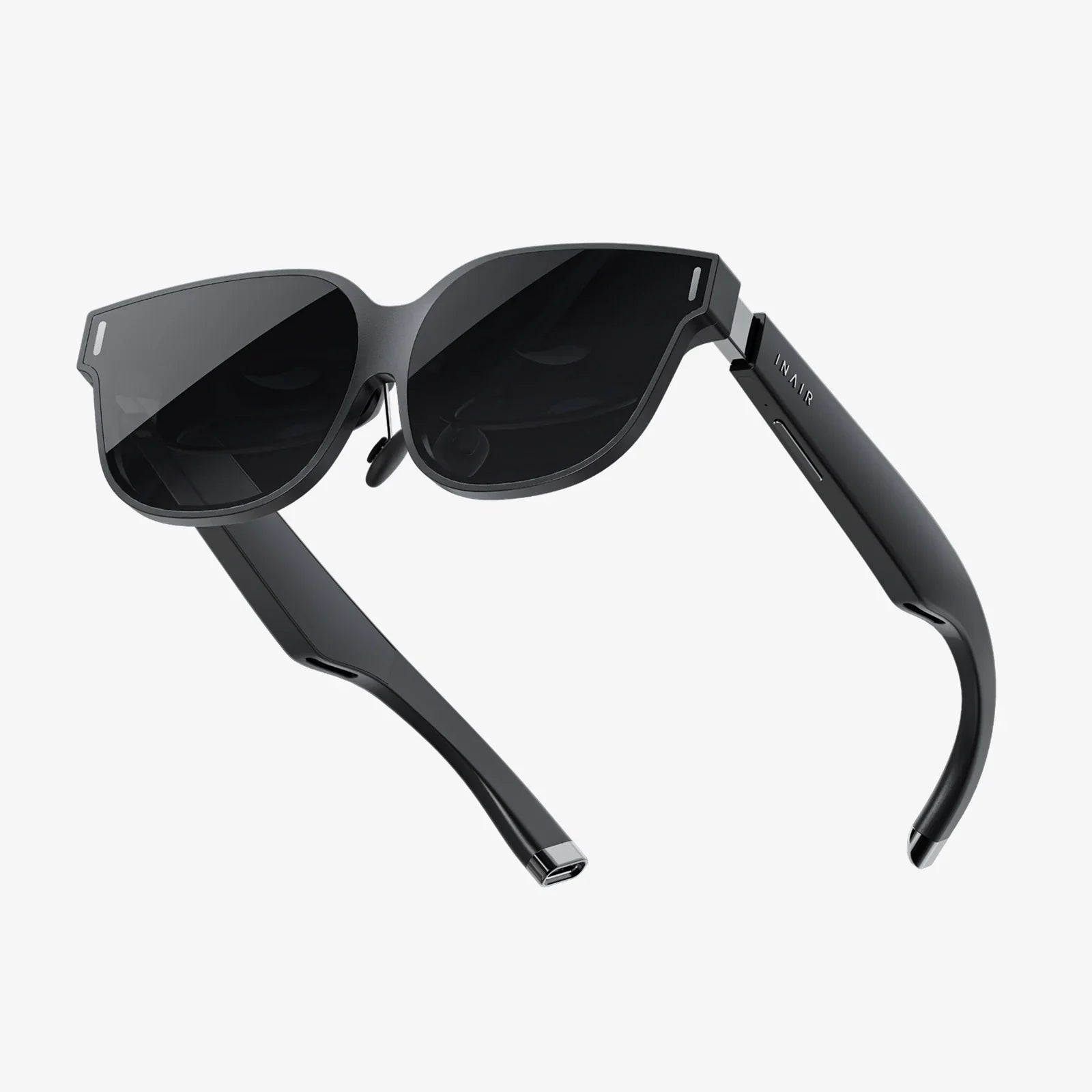
Imagine a world where your most essential accessory, the one you put on every morning to see the world clearly, also becomes your personal assistant, your audio guide, and your connection to the digital realm—all without a single visible wire or bulky device. This is no longer the stuff of science fiction. The quiet convergence of optical engineering and wireless technology is ushering in a revolution, transforming the humble pair of eyeglasses from a passive visual aid into a powerful, connected hub. This is the promise of Bluetooth-enabled eyewear, a seamless fusion of form and function that is poised to redefine our relationship with technology.
The Evolution of Wearables: From Wrist to Face
The journey of wearable technology has been one of miniaturization and integration. We moved from carrying bulky phones to slipping sleek smartphones into our pockets. The wristwatch, a centuries-old timekeeping device, was reborn as a fitness tracker and notification center. Each iteration brought technology closer to our bodies, making it more immediate and personal. However, the wrist has its limitations. Interacting with a smartwatch still requires looking down and using your hands, creating a moment of disconnection from your surroundings.
The logical next step was to move technology even closer to our primary senses: sight and sound. Early attempts, like head-mounted displays, were often clunky, obtrusive, and socially awkward. They screamed "tech gadget" rather than "stylish accessory." The true breakthrough came with the realization that the ideal platform already existed: eyeglasses. Billions of people worldwide already wear them daily. They sit in the perfect position on the face, directly in front of the eyes and ears. By embedding micro-electronics directly into the frames, manufacturers could create a device that is always on, always ready, but never in the way. This is the core philosophy behind Bluetooth eyewear—invisibility through integration.
How Do Bluetooth Eyeglasses Actually Work?
At first glance, a pair of Bluetooth-enabled glasses looks nearly identical to a traditional pair. The magic lies hidden within the frame's architecture. The temples (the arms that rest on your ears) are slightly thicker to house a miniature technological ecosystem.
- The Battery: A small, rechargeable lithium-ion battery is discreetly placed, often in the end piece of a temple. It's designed to last a full day on a single charge, powering all functions without adding significant weight.
- The Mainboard: A tiny printed circuit board (PCB) acts as the brain of the operation. It manages power distribution, data processing, and the wireless connection.
- Bluetooth Chipset: This is the communication hub, identical to the technology in wireless earbuds or speakers. It pairs with your smartphone, tablet, or laptop to transmit and receive audio data.
- Speakers: The most ingenious part of the design is the audio delivery system. Instead of placing speakers inside the ear canal, most designs use bone conduction or open-ear audio technology. Bone conduction transducers send subtle vibrations through the skull bone directly to the inner ear, leaving the ear canal open. Open-ear speakers project sound down the temple towards the ear. Both methods allow you to hear your audio clearly while remaining aware of ambient noises—a critical feature for safety and situational awareness.
- Microphones: Advanced beamforming microphones are embedded in the frames, strategically placed to pick up the user's voice clearly while employing noise-cancellation algorithms to minimize wind and background noise during calls.
The entire system is controlled through a subtle touch interface on the temple or via a companion application on your connected smartphone. The result is a device that feels like ordinary glasses but functions like a sophisticated communication and entertainment device.
Beyond Convenience: The Transformative Applications
The initial appeal of taking calls and listening to music hands-free is undeniable. However, the true potential of this technology extends far beyond these basic functions. It's about creating a more intuitive and integrated flow of information.
Enhanced Productivity and Multitasking
For the modern professional, Bluetooth glasses are a productivity powerhouse. Imagine walking between meetings while listening to and dictating emails, all without looking at your phone. You can participate in conference calls while having your hands free to take notes, cook lunch, or commute. Audio translations can be streamed directly to your ears during international calls, breaking down language barriers in real-time. It enables a form of continuous, ambient computing where information is available on-demand without the disruptive need to constantly glance at a screen.
Accessibility and Inclusive Design
This is perhaps the most profound impact of this technology. For individuals with visual impairments, Bluetooth glasses can connect to smartphone apps that describe surroundings, read text from signs or documents aloud, and provide navigational cues directly through the audio. For those with hearing difficulties, the glasses can act as a personal amplification device, streaming cleaned-up audio from a connected microphone at a lecture or a dinner table directly to their ears. This technology has the power to create a more accessible world by leveraging a device many already use.
Safety and Situational Awareness
Unlike noise-cancelling earbuds that seal you off from your environment, the open-ear design of most Bluetooth glasses is a significant safety feature. Cyclists, runners, and pedestrians can listen to music or navigation instructions while still hearing traffic, sirens, and people around them. This allows for an immersive audio experience without the dangerous isolation, promoting safer practices for outdoor activities and urban navigation.
Immersive Learning and Exploration
Museums, historical sites, and art galleries are beginning to offer audio tours that can be streamed directly to personal devices. Bluetooth glasses offer a far more seamless experience than renting a clunky audio guide or holding a phone to your ear. Language learners can immerse themselves in podcasts and lessons throughout their day. The technology supports a model of continuous, passive learning, turning a daily walk into an educational opportunity.
Addressing the Challenges: Privacy, Battery, and Social Acceptance
No emerging technology is without its hurdles. The concept of "always-on" wearables, especially those with microphones and cameras, rightly raises privacy concerns. Manufacturers must prioritize transparency, clear user controls, and robust data security. Features like physical camera shutters and clear audio indicators when the microphone is active are crucial for building trust.
Battery life remains a balancing act between performance, size, and weight. While a day's charge is sufficient for most, forgetting to charge your glasses could leave you without both your vision correction and your tech hub. Wireless charging cases, similar to those for earbuds, have become a popular solution, ensuring the glasses are always powered and protected when not in use.
Finally, social acceptance is the final frontier. The specter of past failed wearables looms large. The success of Bluetooth eyewear hinges on its ability to be indistinguishable from regular, fashionable glasses. The technology must remain invisible, allowing the wearer to benefit from its features without becoming a spectacle. As designs continue to improve and the technology becomes more commonplace, this barrier is rapidly dissolving.
The Future Vision: What Lies Ahead?
The current iteration of Bluetooth glasses is just the beginning. We are looking at the foundational technology for a much more ambitious future. The next logical step is the integration of Augmented Reality (AR) displays. Imagine tiny, nearly invisible waveguides projected onto the lenses, overlaying navigation arrows onto the street in front of you, displaying recipe instructions while you cook, or showing a presenter's slides during a talk—all without a separate screen.
Advancements in biometric sensors could turn these frames into health monitors, tracking trends in activity, monitoring for falls in elderly users, or even measuring blood glucose levels through non-invasive means. Artificial Intelligence (AI) will act as a true contextual assistant, analyzing the audio it hears and the data it collects to provide proactive, useful information exactly when you need it.
The ultimate goal is to create technology that enhances our human experience without diminishing it. It’s not about staring into a screen more often; it’s about letting the screen recede into the background, allowing us to engage more fully with the physical world while having digital information available as a gentle, helpful whisper in our ear.
The next time you see someone walking down the street, seemingly talking to themselves or enjoying a silent moment, look closer. They might be wearing a pair of eyeglasses. But behind those lenses lies a connected world of sound, information, and possibility, offering a glimpse into a future where our most essential tools don't just help us see the world—they help us hear its potential and interact with it in ways we are only just beginning to imagine.
Share:
Good Budget Bluetooth Headphones - Your Ultimate Guide to Affordable Wireless Audio
Full VR Setup - The Ultimate Guide to Building Your Immersive Reality