


Imagine a workspace that stretches as far as your imagination, unconstrained by the physical bezels of plastic and glass. This is no longer the realm of science fiction. The concept of a full screen virtual monitor is rapidly dismantling the century-old paradigm of the physical display, offering a glimpse into a future where our digital canvases are limited only by processing power and ambition. This technology promises to fundamentally alter how we interact with information, games, and each other in the digital realm, creating a seamless portal into any virtual environment.
Beyond the Bezel: Defining the Full Screen Virtual Monitor
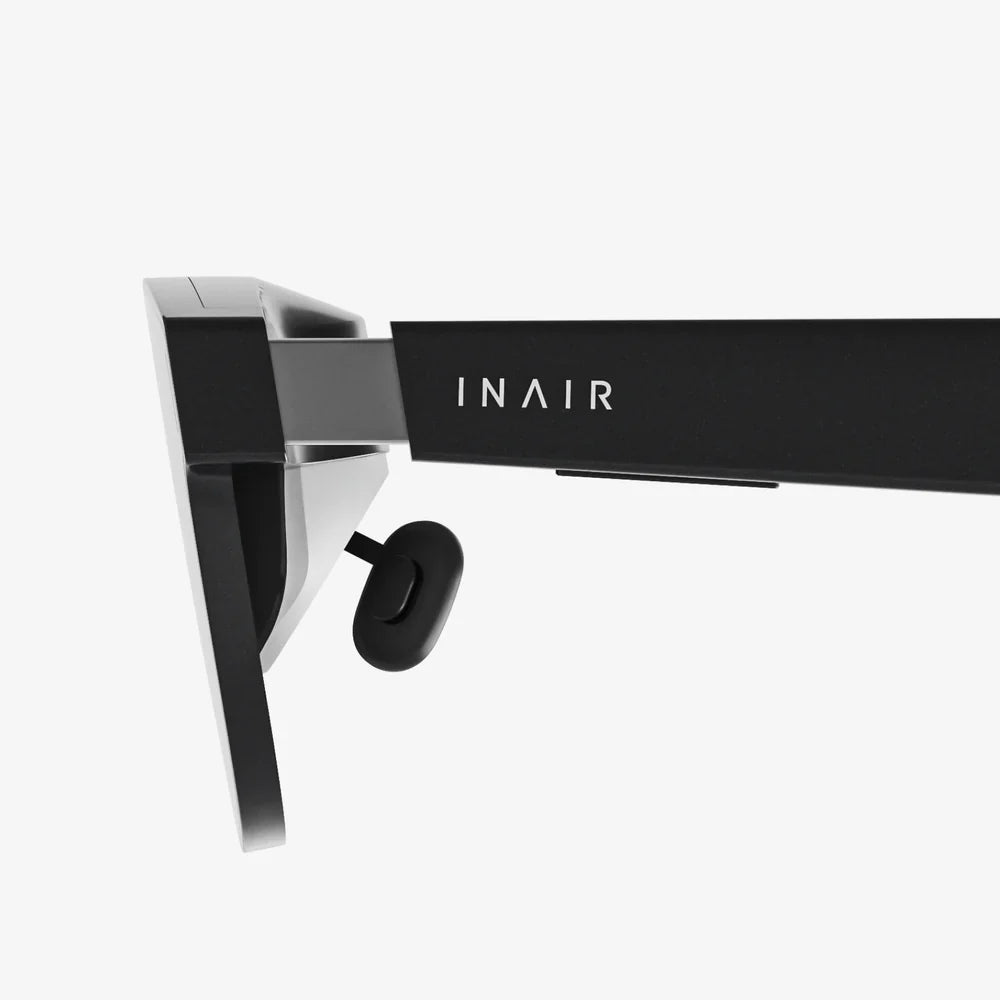
At its core, a full screen virtual monitor is not a physical object you can touch. It is a software-generated display that is rendered entirely within a digital environment. Unlike simply extending your desktop to a second physical screen, a full screen virtual monitor exists independently of hardware constraints. It can be accessed and interacted with through specialized hardware that immerses the user in a virtual space, or it can be projected onto surfaces like smart glasses, creating a private, large-scale display that only you can see.
The key distinction lies in its purpose and implementation. Traditional multi-monitor setups are additive; you add more physical screens to see more applications. A full screen virtual monitor is transformative; it replaces the concept of a 'screen' altogether with a malleable, dynamic canvas. This technology leverages advanced graphics processing and low-latency tracking to create a stable, high-resolution image that feels as tangible and responsive as its physical counterpart, but without the borders that traditionally define it.
The Engine Room: How This Technology Actually Works
The magic of a full screen virtual monitor is woven from several sophisticated technological threads working in concert. Understanding this process reveals why this was a pipe dream just a few years ago and is now an emerging reality.
Software Emulation and Graphics Drivers
The journey begins at the software level. The operating system is tricked into recognizing a new display device. Specialized software creates a virtual graphics driver that reports a connected 'monitor' to the system. This driver then intercepts the graphical output intended for that virtual display. Instead of sending it to a physical port, the software processes this data, handling the rendering of the desktop environment, open windows, and applications as if they were being drawn on a real screen.
Rendering and Spatial Mapping
Once the graphical data is captured, the real transformation begins. The software, often working in tandem with a powerful graphics card, maps this 2D desktop environment into a 3D space. This is a critical step. The image must be warped and corrected to account for the lenses through which the user will view it. This process, known as distortion rendering, ensures that straight lines appear straight and the image is perfectly sharp across the entire field of view, not just the center. The virtual monitor is then placed within a virtual environment, its position and orientation tracked in real-time.
The Hardware Portal: From PC to Your Eyes
This rendered environment needs a window. This is where immersive hardware comes into play. High-resolution displays are mounted mere centimeters from the user's eyes. Precise, high-speed head tracking is non-negotiable. As you move your head, even slightly, the tracking system relays this movement data back to the software, which instantly re-renders the virtual screen from your new perspective. This creates the illusion that the screen is a fixed object in your space, maintaining its position if you look away and then back, just like a real monitor. The low persistence of the displays and minimal latency of the entire pipeline are what prevent motion blur and nausea, creating a comfortable and convincing experience.
A Universe of Applications: Who Is This For?
The potential uses for full screen virtual monitors extend far beyond a simple novelty. They are poised to become a transformative tool across numerous fields.
The Ultimate Productivity Power-Up
For knowledge workers, developers, and data analysts, this technology is a potential game-changer. Imagine being able to spawn multiple massive displays for your code, research browsers, communication tools, and reference materials. You are no longer limited by the width of your desk or the cost of high-end monitors. You can arrange screens in a panoramic arc or even above and below your field of view, creating a truly three-dimensional workspace. This eliminates the constant Alt-Tabbing and window management that fragments focus, allowing for deep, uninterrupted workflow. For remote workers, it also offers a profound sense of privacy, as sensitive data is displayed only to them.
A New Paradigm for Creative Professionals
Video editors can have a sprawling timeline alongside a full-screen preview and their editing tools. Digital artists can work on a canvas that feels life-sized, with their tool palettes floating conveniently to the side. 3D modelers can examine their creations at virtual scale from every angle while keeping their modeling software open on another virtual screen. The ability to create a bespoke, distraction-free digital studio anywhere is an incredibly powerful proposition for creativity.
Immersive Entertainment and Gaming
While dedicated virtual reality games create their own worlds, a full screen virtual monitor offers a different kind of immersion for traditional media. Imagine watching a film on a screen that feels 100 feet wide from the best seat in the theater, all from your couch. For simulation gamers—flight simulators, racing games, space games—the ability to have cockpit controls and instrumentation on virtual screens around them, while the main game world is displayed in full immersion, creates an unparalleled level of realism and engagement.
Weighing the Virtual Against the Physical
Like any emerging technology, full screen virtual monitors come with their own set of challenges and trade-offs when compared to traditional setups.
The Undeniable Advantages
Unprecedented Screen Real Estate: The most obvious benefit is the sheer amount of virtual space available, limited only by system performance.
Portability and Flexibility: Your entire multi-monitor setup becomes portable. You can have the same expansive workspace at home, in a hotel room, or at a coffee shop.
Cost-Effectiveness: A single device capable of creating multiple virtual screens can be more economical over time than purchasing several high-quality physical monitors.
Reduced Physical Clutter: It eliminates the need for bulky stands, tangles of cables, and the desk space consumed by multiple monitors.
The Current Limitations
Visual Fidelity: Despite rapid improvements, the pixel density and overall clarity of even the best current hardware can still lag behind a high-end 4K physical monitor, with text sometimes appearing slightly soft.
User Comfort: The form factor and weight of the required hardware can be a barrier for long-term wear. Some users may also experience eye strain or motion sensitivity during the acclimation period.
Social Isolation: Being fully immersed in a headset inherently cuts you off from your immediate physical environment and the people in it, which can be a drawback in collaborative office settings.
Initial Investment: The upfront cost for high-quality hardware capable of delivering a comfortable and clear experience remains significant.
Gazing into the Crystal Ball: The Future is Borderless
The trajectory of this technology points toward a future where the line between physical and virtual displays becomes increasingly blurred. We are moving towards lighter, more comfortable form factors that resemble everyday eyeglasses rather than bulky helmets. Advancements in micro-OLED and laser beam scanning displays will push pixel densities to levels where text is razor-sharp and the dreaded 'screen door effect' is a distant memory.
Integration with augmented reality will be the next great leap. Instead of a fully immersive virtual space, AR will allow virtual monitors to be anchored seamlessly into your real-world environment. You could have a large virtual screen placed on your wall at home, another floating next to your office window, and they would remain persistent in those locations. This mixed reality approach solves the social isolation problem, allowing you to see both your digital workspace and the physical world simultaneously, interacting with both in a natural way.
Furthermore, the development of more sophisticated eye-tracking and gesture control will revolutionize interaction. Instead of a physical mouse and keyboard, we may navigate these vast virtual workspaces with our eyes and hands, selecting windows with a glance and dragging applications through the air with a pinch of our fingers. The full screen virtual monitor is not the end goal; it is the foundational step towards a future of ubiquitous, spatial computing where our digital lives are integrated into our physical world in a seamless and intuitive way.
The era of being tethered to a physical rectangle on a desk is drawing to a close. The promise of a full screen virtual monitor is the promise of ultimate digital freedom—a workspace that conforms to your mind's eye, not the other way around. It’s an invitation to step through the looking glass and into a world where your potential is no longer framed by bezels, but expanded to the very edges of your perception. The question is no longer if this will become the standard, but how soon you will be ready to leave your limits behind.
Share:
History of Augmented Reality Glasses: From Sci-Fi Fantasy to Modern Marvel
Unterschied Virtual Reality VR und Augmented Reality AR: A Complete Guide to Immersive Technologies