


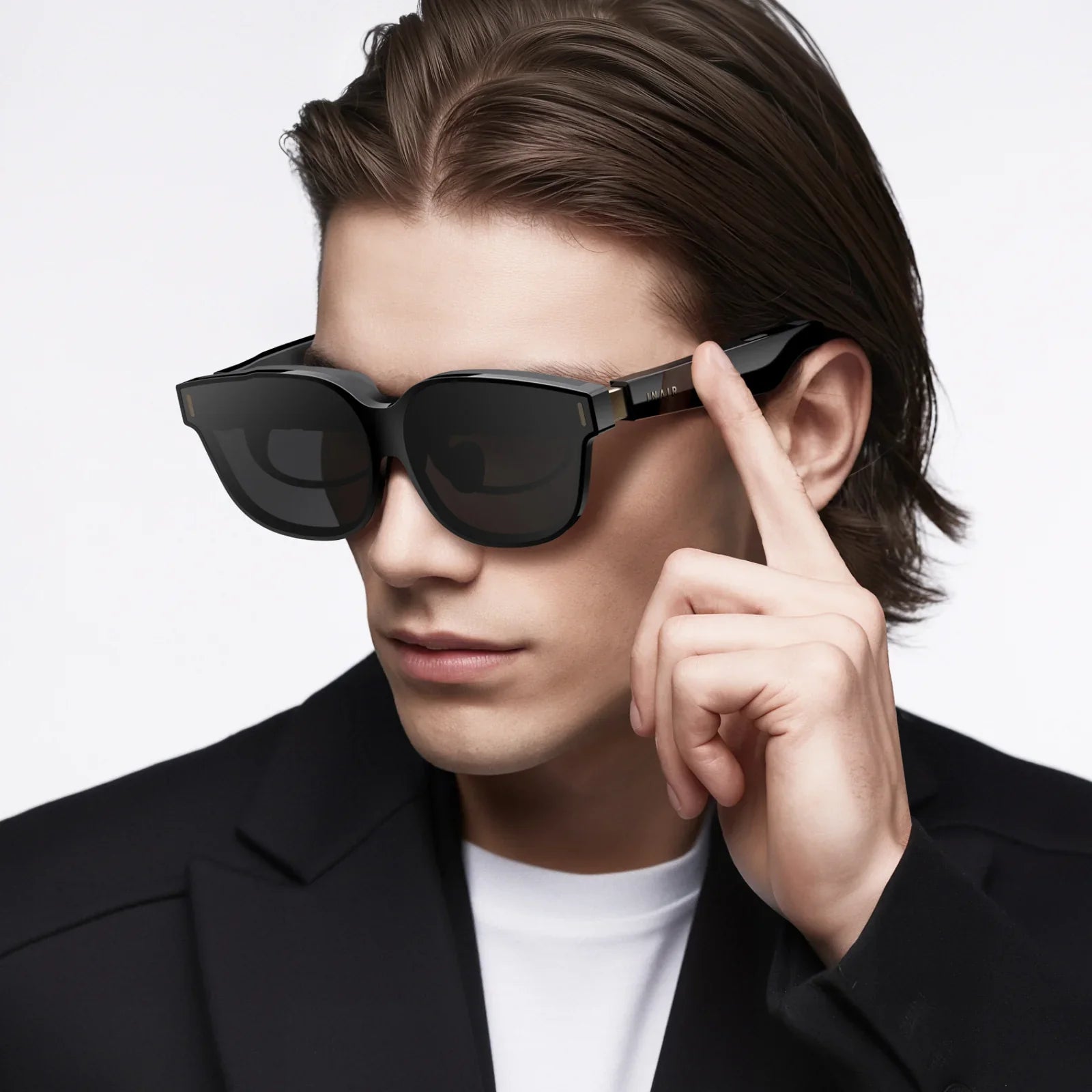
Imagine slipping on a headset and being instantly transported—not just visually and audibly, but completely. You feel the sun’s warmth on your skin, smell the salt of a distant ocean, and taste the crisp mountain air. This is the breathtaking promise of full sensory virtual reality, a technological frontier that is rapidly moving from science fiction to tangible reality, poised to redefine the very nature of human experience.
Beyond Sight and Sound: Expanding the Digital Frontier
For decades, virtual reality has been a predominantly audiovisual medium. Impressive graphical fidelity and spatial audio have created compelling illusions, but they have always remained just that—illusions. The user's physical body remained an anchor in the real world, constantly reminded of the disconnect by the static feel of a controller or the unchanging temperature of their room. Full sensory virtual reality seeks to sever this final tether by engaging the complete human sensorium: sight, sound, touch, smell, and taste. The goal is not just to simulate an environment but to create a presence so convincing that the brain accepts it as authentic.
This represents a fundamental paradigm shift. Where current VR offers an experience you observe, full sensory VR promises an experience you inhabit. It moves from being a window into another world to being a doorway. The implications of this are staggering, touching every aspect of society, from how we work and learn to how we connect and entertain ourselves. It is the ultimate synthesis of the digital and the physical, a concept often called 'phygital' convergence.
Deconstructing the Senses: The Technology of Total Immersion
The monumental challenge of full sensory VR lies in the complexity of human perception. Each sense requires its own sophisticated technology to be convincingly simulated and seamlessly integrated into a cohesive whole.
The Haptic Revolution: Engineering Touch and Feel
Haptics, the science of touch, is arguably the most critical frontier after sight and sound. Advanced haptic technologies are moving far beyond simple vibration motors. This involves several innovative approaches:
- Full-Body Haptic Suits: These wearable garments are embedded with a network of actuators, force feedback mechanisms, and temperature control modules. They can simulate everything from the gentle pressure of a handshake and the texture of a rough surface to the impact of a virtual object and the chilling sensation of a cold wind.
- Ultrasonic and Aerohaptics: Some systems are forgoing direct contact altogether, using precisely focused ultrasound waves or directed air vortices to create the sensation of touch mid-air. This allows users to 'feel' virtual objects without needing to wear any gloves, enabling a more natural and unencumbered interaction.
- Force Feedback Exoskeletons: For applications requiring a sense of weight, resistance, or physical force, robotic exoskeletons can be used. These devices can physically restrain movement or apply pressure to limbs, simulating the strain of lifting a heavy box or the recoil of a virtual tool.
Olfaction and Gustation: The Final Frontiers
Smell (olfaction) and taste (gustation) are deeply linked and have proven to be the most elusive senses to digitize. However, progress is being made through sophisticated chemical engineering and clever simulation.
- Digital Scent Technology: Often called an 'olfactometer' or digital nose, these devices contain cartridges with a palette of primary odors. By mixing these in precise combinations and releasing them with timed bursts of air, a wide spectrum of complex smells can be generated, from fresh coffee to a rain-soaked forest.
- Virtual Taste Simulation: This is the most nascent field. Research involves using electrodes to stimulate specific taste buds on the tongue to create basic taste sensations like sweet, salty, sour, and bitter. Another approach uses thermal controls to mimic the sensation of spice (heat) or mint (coolness), tricking the brain into perceiving flavor.
A World Transformed: The Applications of Full Sensory VR
The potential applications for this technology extend far beyond entertainment, promising to revolutionize numerous fields.
Healthcare and Therapy: Healing Through Immersion
The medical field stands to gain immensely. Full sensory VR could enable:
- Advanced Surgical Training: Surgeons could practice complex procedures in a risk-free environment that provides not just visual and auditory feedback, but also the haptic sensation of cutting tissue and suturing, drastically improving training efficacy.
- Revolutionary Pain Management: By immersing a patient in a calming, engaging multi-sensory environment, the brain can be distracted from processing chronic pain signals, offering a potential non-pharmaceutical alternative for pain relief.
- Exposure Therapy: For patients with phobias or PTSD, a controlled, full sensory environment could be used to gradually and safely expose them to their triggers, with a therapist able to modulate every aspect of the experience in real-time.
Education and Training: Learning by Living It
Imagine a history class where students don't just read about ancient Rome—they walk through its bustling forums, hear the chatter in the streets, and feel the cool marble of the temples. Full sensory VR could make this a reality, transforming education into an experiential journey. Vocational training would also be revolutionized, allowing mechanics to feel the resistance of a faulty engine part or electricians to practice wiring in a perfectly safe virtual environment.
Remote Work and Social Connection: The End of Geography
The concept of a 'metaverse' would finally achieve its potential. Remote collaboration would move beyond flat video calls into shared virtual workspaces where colleagues can shake hands, brainstorm around a virtual model they can all touch and manipulate, and share a virtual coffee break. For personal connections, it could mean attending a family gathering or a concert with friends from across the globe, feeling as if you are truly standing side-by-side.
The Ethical Abyss: Navigating the Risks of a Perfect Simulation
With such profound power comes equally profound responsibility. The development of full sensory VR opens a Pandora's box of ethical and societal dilemmas that我们必须 urgently address.
- The Reality Fidelity Problem: If an experience is indistinguishable from reality, how do we ensure users can always tell the difference? The potential for manipulation, misinformation, and 'experience theft' is enormous. Establishing a digital watermark or a universal 'exit' cue will be crucial.
- Data Privacy on an Unprecedented Scale: To tailor experiences, these systems will need to collect incredibly intimate biometric and neurological data—how our bodies and brains respond to specific stimuli. This data is a privacy nightmare if mishandled or exploited.
- The Potential for Addiction and Escapism: If a virtual world is more pleasant, stimulating, and fulfilling than a user's real life, the risk of severe addiction and societal withdrawal is very real. We must consider the psychological impact of preferring a manufactured reality.
- Physical Safety and Neurological Side Effects: The long-term effects of manipulating the senses so directly are unknown. Could it cause neurological disorders? How do we prevent physical harm in the real world while a user is immersed in a virtual one?
- Economic and Social Disparity: This technology will likely be expensive initially, creating a chasm between those who can afford full sensory experiences and those who cannot, potentially leading to a new form of digital inequality.
A Collaborative Future: Building the Framework for Responsible Innovation
Navigating this future cannot be left to technologists and corporations alone. It requires a multidisciplinary effort. Ethicists, psychologists, neuroscientists, policymakers, and the public must be involved in creating a robust framework for the ethical development and deployment of full sensory VR. We need to establish clear guidelines on data ownership, user safety, and content creation before the technology becomes ubiquitous. The goal should not be to stifle innovation, but to ensure it progresses in a way that prioritizes human well-being and societal benefit.
The journey toward full sensory virtual reality is not merely a technical upgrade; it is a philosophical and anthropological expedition into what it means to be human in an increasingly digital age. It challenges our definitions of reality, connection, and experience itself. The headset is not just a device; it is a portal, and what lies on the other side will be shaped by the choices we make today. The line between the physical and the digital is about to vanish, and we must all be ready to cross over.
Share:
User Wearing AR Glasses: The Invisible Revolution Reshaping Reality
Mac AR Headset: The Future of Computing is on Your Face